
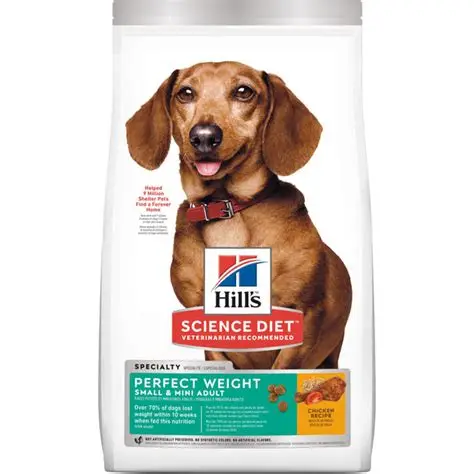
Key Takeaway: Hill’s Science Diet offers life-stage–specific dry food formulas rigorously evaluated in clinical trials to support conditions ranging from chronic kidney disease to neurologic disorders. While sodium levels in these diets generally exceed 100 mg/100 g—approaching common sodium‐reduction targets—Hill’s prescriptions (e.g., k/d) demonstrate both efficacy in disease management and careful balance of electrolytes and essential nutrients.
1. Clinical Evidence for Hill’s Prescription Diet k/d
Hill’s Prescription Diet k/d is a low-sodium, renal‐support formula developed to slow progression of chronic kidney disease in cats and dogs.
Canine Paroxysmal Dyskinesia
A Yorkshire terrier with episodic dyskinesia experienced marked reduction of cramping episodes when switched to k/d. This single‐case report highlights k/d’s impact on neurologic signs likely via electrolyte modulation.
Feline Chronic Kidney Disease (CKD)
Six-Month Randomized Trial: Cats with IRIS stage 1–2 CKD fed k/d maintained body weight and lean body mass over 6 months, whereas controls lost 13% body weight and 11% lean mass. Test‐diet cats consumed 23% more calories (207 kcal/d vs. 168 kcal/d) and showed slower increases in serum creatinine.
Osteosarcoma and Malignant Melanoma in Dogs
A 180-day prospective trial of a renal seasoning supplement—including sodium bicarbonate—demonstrated significant reductions in serum phosphorus and improvements in acid–base balance in dogs with CKD. While not k/d–specific, this underscores the value of sodium‐modulated formulas in canine renal care.
2. Sodium Content and Electrolyte Balance
Although Hill’s Science Diet formulas are not “low-sodium” in the general sense, their sodium concentrations align with therapeutic prescriptions:
- k/d Canine Renal Support – Sodium: ~250 mg/100 g dry matter (manufacturer data). Contains added potassium and bicarbonate precursors to correct metabolic acidosis.
- Adult, Puppy, and Senior Science Diet Formulas – Sodium: ranges from 300–450 mg/100 g dry matter. Balance: Formulated alongside essential electrolytes (K, Cl) and reduced phosphorus to meet AAFCO profiles.
Current surveys of U.S. dry dog foods show an average sodium content of ~400 mg/100 g, with prescription diets like k/d at or below the median—reflecting Hill’s targeted electrolyte design.
3. Life-Stage–Specific Formulations
Hill’s Science Diet tailors macronutrients, minerals, and sodium to physiologic requirements:
Life Stage Protein (%) Fat (%) Sodium (mg/100 g) Key Features Puppy Healthy Development 28 16 450 Higher calories, DHA for neurodevelopment Adult Optimal Care 25 14 400 Balanced energy; antioxidant blend Senior Vitality 25 14 380 Glucosamine, chondroitin, joint support These formulations exceed AAFCO minimums for protein and fat while maintaining sodium within a therapeutic window—minimizing hypertension risk yet ensuring palatability and electrolyte sufficiency.
4. Practical Recommendations
- CKD Management: For cats with early‐stage CKD, Hill’s k/d delivers clinical benefits in weight preservation and slowed creatinine rise via reduced sodium and enhanced alkalinizing agents.
- Neurologic Conditions: Anecdotal evidence supports k/d’s role in paroxysmal dyskinesia, likely through electrolyte stabilization.
- General Maintenance: Science Diet Puppy, Adult, and Senior formulas provide stage-appropriate nutrition with moderate sodium aligned with common prescription benchmarks.
Conclusion
Hill’s Science Diet and Prescription Diet k/d demonstrate robust, published clinical efficacy for renal and neurologic conditions in companion animals. Their sodium contents—modest relative to commercial averages—reflect purposeful formulation to support health across life stages while mitigating electrolyte‐related risks.