
Key Takeaways The modern pet parent faces a dilemma: you want to provide advanced health support for your companion, but the practical reality of administering medication often disrupts the human-animal bond. When evaluating gut health solutions, the question often arises: Are probiotic chews for dogs simply a convenient “treat,” or do they offer genuine clinical value? The answer lies in understanding the balance between efficacy (does it work?) and compliance (will they eat it?). While veterinary consensus has historically favored powders for their stability, data indicates that the “easiest” method is often the most effective simply because it ensures consistency. However, not all chews are created equal. To truly support your dog’s microbiome, one must look past the flavor and analyze the science of stability. Why Are Probiotic Chews Considered the Easiest Option? In veterinary medicine, the “best” supplement is the one the patient actually consumes. A high-potency capsule offers zero benefit if it remains in the bottle due to “pilling fatigue.” Studies on veterinary compliance reveal that nearly 62% of owners struggle to administer tablet-based therapies. This struggle often leads to missed doses, which is detrimental for probiotics that rely on consistent, daily introduction to modulate the gut environment. Probiotic chews leverage the dog’s natural food drive. By mimicking the sensory profile of a high-value reward using hydrolyzed proteins and savory bases, chews transform a medical chore into a bonding activity. Preference testing consistently shows that dogs voluntarily consume soft chews at significantly higher rates than tablets. This “ease” factor is a medical metric; by removing the friction of administration, chews ensure the consistent dosing required to maintain healthy flora levels. Do Probiotic Chews Actually Work? The Heat Challenge While dogs’ probiotic chews excel in palatability, they face a significant manufacturing hurdle: heat. The vast majority of dog treats are produced using extrusion, a process that cooks ingredients under high pressure and temperatures often exceeding 130°C. Most common probiotic species, such as Lactobacillus and Bifidobacterium, are vegetative cells. They are highly sensitive to heat and can begin to degrade at temperatures as low as 48°C. If a chew is manufactured using standard high-heat extrusion, widely recognized beneficial bacteria may be rendered inactive before they ever reach the shelf. To ensure you are buying a functional supplement rather than just an expensive treat, you must investigate the manufacturing method. What Is the Difference Between Cold-Pressed and Extruded Chews? To solve the thermal death problem, premium manufacturers utilize Cold Press or Cold Extrusion technology. This method processes ingredients at much lower temperatures (typically below 70°C) without the addition of steam. By maintaining temperatures below the thermal death point of the bacteria, cold-pressing preserves the viability of the Colony Forming Units (CFUs). Additionally, this method retains the natural bio-activity of other ingredients, often resulting in a product that smells “raw” or earthy, a scent profile that dogs often prefer over sterile, high-heat products. Which Probiotic Strains Survive in Soft Chews? Beyond manufacturing, efficacy depends on strain selection. The industry standard for soft chews is shifting toward spore-forming bacteria, specifically from the genus Bacillus (e.g., Bacillus coagulans, Bacillus subtilis). Unlike vegetative strains, these bacteria produce a tough, protective endospore that acts as natural armor against heat, pressure, and stomach acid. This allows them to survive the manufacturing process and the harsh gastric environment, only “germinating” into active bacteria once they reach the intestines. For a shelf-stable chew, Bacillus strains often offer superior reliability compared to fragile dairy-based strains. Can Probiotic Chews Support Skin and Behavior? The utility of probiotic chews extends beyond simple digestion. Science now recognizes the “Gut-Skin Axis” and “Gut-Brain Axis,” meaning a healthy microbiome can influence distant organ systems. Are There Safety Concerns with Probiotic Chews? While generally safe, the “treat-like” nature of chews requires caution. First, always verify the product is free from Xylitol (birch sugar), a sweetener toxic to dogs. Second, be mindful of antibiotic interactions. Since antibiotics kill bacteria indiscriminately, administering them simultaneously with probiotics can neutralize the supplement. Veterinary professionals typically recommend spacing the two by at least 1-2 hours to ensure the beneficial bacteria survive. Ultimately, probiotic chews for dogs represent a viable, high-compliance solution for gut support, provided they are formulated with stability-conscious technology. By choosing cold-pressed options or spore-forming strains, you can prioritize convenience without compromising on clinical care. Frequently Asked Questions Can I give my dog probiotic chews every day? Yes, daily administration is recommended. Probiotics work by transiently modulating the gut microbiome, so consistent dosing is required to maintain their supportive benefits for digestion. How long does it take for probiotic chews to work? While individual results vary, most dogs show signs of improved stool quality within 3-5 days. Immune and skin support benefits typically require 4-6 weeks. Are soft chews as effective as probiotic powders? Yes, if manufactured correctly. While powders are inherently stable, cold-pressed chews using spore-forming bacteria offer comparable efficacy with significantly higher owner compliance and ease. Can puppies take probiotic chews for gut health? Generally, yes. Probiotics are safe for puppies and can support a developing immune system. Always check the specific product label for age and weight restrictions. What happens if my dog eats too many probiotic chews? Overconsumption typically results in temporary digestive upset, such as loose stools or gas, rather than toxicity. However, always consult your veterinarian if a massive overdose occurs.
Understanding How Dog Probiotics Support Stool and Gut Health
Key Takeaways How do probiotics actually work in a dog’s digestive system? To understand the real impact of supplementation, we have to look beyond simple digestion. A dog’s gastrointestinal tract isn’t just a food pipe; it is a complex ecosystem often referred to as a “holobiont.” In this system, your dog and billions of bacteria exist in a delicate balance called eubiosis. When this balance is disrupted by stress, antibiotics, or dietary indiscretion pathogens like E. coli or Clostridium can take over, damaging the gut lining and causing inflammation. This state is known as dysbiosis. Probiotics work through a mechanism called “competitive exclusion.” Think of the gut lining as a parking lot with a limited number of spaces. High-quality probiotics, such as Enterococcus faecium, act as aggressive beneficial vehicles that flood the lot, occupying all the available parking spots. This leaves no room for harmful pathogens to attach and multiply. Additionally, these beneficial bacteria stimulate the production of mucin, a protective slime that coats the intestinal wall, further shielding your dog’s bloodstream from toxins. What are the primary probiotics for dogs benefits regarding stool quality? One of the most immediate and visible probiotics for dogs benefits is the improvement in stool consistency. This isn’t magic; it’s metabolic science. When beneficial bacteria ferment fiber in your dog’s colon, they produce metabolites called Short-Chain Fatty Acids (SCFAs), specifically butyrate. Butyrate is the primary fuel source for the cells lining the colon. When these cells are well-fed and healthy, they become highly efficient at their main job: absorbing water. If your dog is suffering from loose stools or diarrhea, it often means water isn’t being absorbed properly in the colon. By restoring the microbiome and fueling those colon cells with butyrate, probiotics help the gut “dry out” the waste, resulting in firmer, well-formed stools. Furthermore, probiotics help lower the pH of the gut, creating an acidic environment where beneficial bacteria thrive, but pathogens struggle to survive. This pH modulation acts as a natural chemical barrier against recurring digestive upsets. Probiotic powder dog supplements vs. treats: Which is better? Pet parents often face a dilemma in the aisle: should they choose a probiotic powder dog supplement or opting for probiotic treats for dogs? The answer depends largely on your dog’s specific needs and the stability of the bacterial strains used. Probiotic powders often offer a higher concentration of Colony Forming Units (CFUs) and allow for precise dosage control. This makes them excellent for therapeutic use, such as during an episode of acute diarrhea or antibiotic recovery. You can easily sprinkle the exact amount over their food to ensure they get the full therapeutic dose. On the other hand, probiotic treats for dogs offer unmatched convenience and compliance. If you have a picky eater who refuses powders, a treat is a far better option than a supplement they won’t eat. However, manufacturing treats often involves heat, which can kill fragile live bacteria. If you choose treats, look for products containing spore-forming strains like Bacillus coagulans. These bacteria are encased in a protective shell that allows them to survive the baking process and stomach acid, only “waking up” once they reach the intestines to perform their work. Why can’t I just give my dog human yogurt? A common misconception is that a spoonful of yogurt is sufficient for canine gut health. While yogurt does contain live cultures, it is rarely an effective therapeutic solution for dogs. First, the bacterial load in yogurt is too low to survive the highly acidic environment of a dog’s stomach. By the time the yogurt reaches the colon, very few beneficial bacteria remain alive. Second, many adult dogs are lactose intolerant. Feeding them dairy can paradoxically cause the very gas and loose stools you are trying to treat. More dangerously, many human yogurts contain artificial sweeteners like Xylitol (birch sugar), which is highly toxic to dogs even in small amounts. For clinical results without the risk, a specialized canine supplement is far safer and more effective. When is the best time to start a probiotic regimen? Prophylactic use prevention rather than reaction is often the most effective strategy. Research on shelter dogs has shown that starting probiotics before a stressful event can significantly reduce the incidence of stress colitis. If you know your dog is going to be boarded, traveling, or visiting the vet, start a probiotic regimen 3-5 days in advance. This “primes” the gut and fills those receptor sites with beneficial bacteria before the stress hormones can trigger a microbial shift. Similarly, if your vet prescribes antibiotics, pairing them with a probiotic (given 2 hours apart) can help maintain the microbiome and prevent antibiotic-associated diarrhea. Frequently Asked Questions How long does it take for probiotics to work in dogs? Most dogs experience improvements in stool consistency within two to three days, while immune system and skin health benefits typically require four weeks of daily use. Can I give my dog probiotics meant for humans? It is not recommended. Dogs have different gut pH levels and microbiomes; human strains may not survive passage or colonize effectively within the canine digestive tract. Do probiotics help stop dog diarrhea quickly? Yes, specific strains like Enterococcus faecium can shorten acute diarrhea duration by crowding out bad bacteria and improving water absorption in the colon for firmer stools. What is the difference between prebiotics and probiotics? Probiotics are the live beneficial bacteria themselves, while prebiotics are non-digestible fibers that act as “fertilizer,” feeding those good bacteria so they can thrive and multiply. Are there any side effects to giving dogs probiotics? Some dogs may experience temporary gas or bloating during the first few days. This “die-off” reaction is normal and usually resolves quickly as gut health balances out.
Best Dog Ear Cleaner: Ingredients That Matter (Vet Explained)
Key Takeaways Picking the right dog ear cleaner isn’t merely about choosing a nice smell; chemistry plays a role. For those scanning rows of identical bottles, decisions can seem tangled. Yet help comes from veterinary dermatology, steering attention toward exactly what troubles your pet’s ear. Facing long-term yeast? Dealing with everyday dog ear wax? Maybe searching for an effective way to help heal an infected pet ear? The perfect choice often comes down to fit not fancy labels, but real alignment with whatever issue needs attention. Why Canine Anatomy Requires Special Care Start by thinking about how dogs’ ears are built. Not like people’ ears, which go straight into the head. Dogs have a deep tunnel leading inward. Inside that tunnel, there is a sudden bend almost like an upside-down letter L. That bend forms a tight right angle. The path drops down before reaching the inner hearing surface. Water flows easily along this layout because stuff settles where it’s hard to see. What you can’t spot on top seeps into the buried part of the damp zone where tiny organisms start growing. Just rubbing it clean won’t touch what hides below. For proper ear cleaning of dogs, every part of the canal must contain a wet mixture that lifts particles into moving water where they rise and exit. Active Ingredients: What Actually Works? Peel back the label talk. Most ear drops come down to three types: wax removers, germ fighters, or moisture suckers. For Wax and Maintenance: Ceruminolytics When cleaning up after dog ear wax, something simple like flushing debris might help. Special helpers in soap-like form break down tough buildup easily. These substances turn sticky grime into something easier to sweep away. For Infection Support: Antimicrobials and Biofilm Disruptors Some dogs keep coming back to problems: ear infections and allergies. When that happens, regular cleaning won’t cut it anymore. What matters is finding things that shift how the ear works at its smallest scale. The “Natural” Myth: Ingredients to Avoid Even if something claims to be “natural,” putting certain kitchen mixes into the ear might lead to harm due to its delicate inner surface. The Vet-Approved Cleaning Protocol A good ear cleaner for dogs still does nothing if handled wrong. Getting past that curved L-shaped tunnel? It takes filling, massaging, then shaking just right. Quick Comparison: Choosing the Right Solution Condition Recommended Active Ingredients Best For Routine Maintenance Salicylic Acid, Squalene Floppy ears on dogs, swimmers with too mild earwax show up. Trouble with yeast smell Ketoconazole, Lactic Acid A faint earthy smell mixes with brown gunk, often followed by skin tickle. Chronic Bacteria TrizEDTA, Chlorhexidine Mysterious bouts of illness return. Yellow and green fluid often flows out. Sensitive/Painful Enzymes (Lysozyme), Aloe A red glow marks one ear, swollen and tender after even gentle scrubbing. Before trying anything, talk to your dog’s vet. A damaged eardrum might make certain substances dangerous. Treatment for ear infections demands careful choices when hearing health is at risk. Frequently Asked Questions What is the absolute best dog ear cleaner for yeast infections? When it comes to handling yeast, cleaners with Ketoconazole or TrizEDTA stand out. These substances break down the fungus’s protective outer layer. At the same time, they lower pH levels so Malassezia cannot multiply excessively. Can I use hydrogen peroxide to clean my dog’s ears? Not true though. When peroxide breaks down tissue, it also traps moisture, a perfect spot for bacteria to multiply. This method fails badly, maybe even hurts more than helps when used for ears. How often should I clean my dog’s ears? Once a week might be enough for most healthy pups. Pets with loose ear flaps or time in pools could require cleaning more often, maybe even daily. Still, going too far risks removing the oils that protect their skin naturally. What are the symptoms of a dog ear infection? Check if there’s head shaking, scratching, redness, a stinky smell either yeasty or like rot and fluid that’s nearly black from yeast or pale yellowish with bacteria. Discharge changes tell a story. Is apple cider vinegar safe for dog ears? Dilution helps yet most advise against it. In red, irritated areas, the burn strikes hard. Cleaners made by vets tend to work better, staying balanced and kinder to skin.
Calming Treats for Dogs: When They Help and When They Don’t (Vet Guide)
Key Takeaways The “Anxiety Economy” in pet care has exploded, reaching a market value of over $17 billion. For the modern pet parent, this means navigating a sea of chews, oils, and diffusers, all promising a zen-like state for their pets. But do calming treats for dogs actually deliver on these promises? The reality is nuanced. While these products can be powerful tools, they are not magic wands. Understanding the difference between a marketing claim and clinical physiology is critical to managing your dog’s mental health safely and effectively. How Do Calming Treats for Dogs Actually Work? To understand efficacy, we must look at the neurobiology of stress. When your dog perceives a threat of a thunderstorm or a suitcase being packed their HPA axis (Hypothalamic-Pituitary-Adrenal axis) triggers a flood of cortisol and adrenaline. Effective calming treats for dogs target specific neurotransmitter pathways to blunt this response: When Do Calming Treats Help? (The Success Cases) Veterinary behaviorists generally recommend supplements for mild-to-moderate situational stress. 1. Anticipatory Anxiety If your dog gets restless when they see you grab your keys or pace before a car ride, calming chews can lower their arousal threshold. By administering the treat 30–60 minutes before the stressor, you prevent the cortisol spike from reaching panic levels. 2. Adjunct to Training This is the “gold standard” application. A dog in a high state of panic cannot learn. By using a calming treat to lower their anxiety from a “10” to a “7,” you create a cognitive window where desensitization training becomes effective. 3. Senior “Sundowning” Older dogs with Canine Cognitive Dysfunction often experience nighttime confusion and restlessness. Treats combining L-Theanine with Melatonin can help regulate their sleep-wake cycle, providing relief for both the pet and the owner. When Don’t They Work? (The Failure Scenarios) It is crucial to recognize when dog treats are insufficient. Relying on supplements for severe pathologies can delay necessary medical treatment. 1. True Separation Anxiety Pathological separation anxiety involves a panic response tied specifically to the attachment figure. A hallmark symptom is “anorexia”. The dog is so panicked they will not eat. Leaving a calming treat behind is often futile because the dog won’t touch it until you return. 2. Profound Noise Phobias If your dog is breaking teeth on crates or trembling uncontrollably during fireworks, their sympathetic nervous system is in full “fight or flight” mode. Digestion often shuts down during this state, rendering oral treats ineffective. These cases require prescription medication. 3. Established Aggression While some ingredients may support mood stability, using OTC treats to manage a dog with a bite history is dangerous. Aggression often stems from complex roots like pain or territoriality that supplements cannot address alone. Safety and Risks: What Owners Must Know “Natural” does not always mean safe. There are two critical safety red flags to watch for when selecting calming treats for dogs: Conclusion: The Multimodal Approach The most effective approach to canine anxiety is never a single chew; it is multimodal. This means combining high-quality calming treats for dogs with environmental management (like white noise or Thundershirts) and active behavior modification. If your dog’s anxiety is disrupting their daily life or causing self-injury, bypass the pet store aisle and consult your veterinarian for a diagnostic workup. Frequently Asked Questions 1. Do calming treats actually work for dogs? Yes, but primarily for mild anxiety or situational stress. They work best when given before the stressor occurs, acting as a preventative rather than a cure. 2. How long do calming dog treats take to kick in? Most soft chews require 30 to 60 minutes to reach peak effect. For chronic issues, some ingredients like probiotics may take 4-6 weeks to show results. 3. Can I give my dog calming treats every day? Generally, yes. Many supplements, especially those with L-Theanine or probiotics, are designed for daily long-term use. However, always verify dosing instructions with your veterinarian first. 4. Are calming treats safe for puppies? Most gentle formulations containing colostrum or L-Theanine are safe for puppies over 12 weeks. Always avoid CBD or heavy herbal sedatives unless specifically approved by a vet. 5. Do calming treats make dogs sleep? Not usually. Unlike sedatives, most modern calming treats use ingredients like L-Theanine to promote a state of alert relaxation without causing drowsiness or impaired motor function.
Probiotic Powder for Dogs: Safe Usage, Timing, and Gut Support
Key Takeaways The canine gastrointestinal tract is far more than a digestive organ; it is a complex ecological engine that houses nearly 70% of your dog’s immune system. When this delicate microbial balance is disrupted, a condition known as dysbiosis, the effects ripple throughout the body, manifesting as chronic diarrhea, skin inflammation, and even behavioral anxiety. While pet store shelves are lined with dog digestive supplements, not all delivery formats are created equal. Veterinary consensus is increasingly shifting toward probiotic powder for dogs as the gold standard for therapeutic intervention. Unlike treats that prioritize palatability over potency, powders offer “clean label” purity and superior stability. This guide explores the clinical science behind safe usage, optimal timing, and why powder formulations are the strategic choice for restoring your dog’s microbiome. Why Choose Probiotic Powder for Dogs Over Chews? When selecting a supplement, many owners gravitate toward probiotic treats for dogs for their convenience. However, form dictates function, and soft chews often present significant formulation challenges that can compromise efficacy. 1. Purity and “Clean Label” Advantages To achieve their chewy texture and palatable flavor, soft treats require a matrix of binders, glycerin, gums, and often artificial flavorings. For dogs suffering from Inflammatory Bowel Disease (IBD) or severe food allergies the exact demographic needing gut support these “inactive” ingredients can inadvertently trigger immune flare-ups. High-quality powders remove this variable, often containing only the active bacteria and a functional prebiotic carrier like pumpkin or inulin, minimizing the risk of allergic reaction. 2. Viability and Stability Probiotic bacteria are living organisms that are notoriously sensitive to heat and moisture. The manufacturing process for soft chews typically involves heat extrusion, which can degrade vegetative bacterial cells before they are even packaged. Furthermore, the moisture content required to keep a chew “soft” can activate dormant bacteria inside the jar, causing them to die off before consumption. Powders are maintained in a dry, dormant state, ensuring that the Colony Forming Units (CFUs) remain viable until they reach your dog’s bowl. 3. Precision Dosing and Titration A 5lb Chihuahua and a 150lb Great Dane have vastly different physiological requirements. Powders allow for precise micro-dosing and easy titration (starting with a sprinkle and increasing gradually), which is impossible with fixed-dose chews that must be cut or crumbled. Feature Probiotic Powder Soft Chews Purity High (Minimal fillers) Low (Requires binders/flavorings) Dosing Precision Excellent (Titratable) Poor (Fixed unit dose) Stability High (Low moisture) Moderate (Moisture risks) Clinical Use Preferred for therapy Maintenance/Treats The Science of Strains: What Actually Works? Generic “gut health” claims are insufficient for addressing specific clinical needs. Efficacy is strictly strain-dependent. A scientifically formulated probiotic powder for dogs should contain clinically verified strains targeting specific outcomes. The Future of Gut Health: Synbiotics and Postbiotics The most advanced powders on the market in 2025 are moving beyond simple probiotics into “Synbiotic” and “Postbiotic” formulations. Safe Usage: How and When to Administer One of the most persistent questions in veterinary nutrition is the optimization of timing. The “when” is just as critical as the “what.” The “With Food” Rule Veterinary experts overwhelmingly recommend administering probiotics with a meal. The canine stomach is extremely acidic, designed to break down bone and raw meat. Administering powder on an empty stomach exposes the bacteria to an acid bath that can destroy them. Food acts as a buffer, raising the pH temporarily and protecting the microbes during transit. The Antibiotic Protocol If your dog is on antibiotics, timing is paramount. Antibiotics cannot distinguish between “good” and “bad” bacteria. Safety and the “Adjustment Period” It is common for dogs to experience a physiological “adjustment period” when introducing potent dog digestive supplements. You may observe mild flatulence or borborygmi (stomach gurgling) for the first 48-72 hours. This is rarely a sign of toxicity; rather, it indicates a shift in the microbiome as pathogenic bacteria die off and fermentable fibers are processed. To mitigate this, always begin with a 1/4 dose and titrate up to the full amount over 5–7 days. Conclusion Choosing the right gut health solution requires navigating beyond marketing buzzwords to understand formulation physics. By selecting a high-quality probiotic powder for dogs, you choose a delivery system that offers clinical precision, stability, and purity. Whether you are managing antibiotic-associated diarrhea or seeking to optimize your dog’s longevity through the gut-brain axis, science-backed powders provide the most reliable path to systemic wellness. Frequently Asked Questions (FAQ) 1. What is the best time of day to give my dog probiotic powder? The best time is during a meal, either morning or evening. Food buffers stomach acid, ensuring the bacteria survive transit to the intestines for maximum efficacy. 2. Can I give my dog probiotic powder if they are taking antibiotics? Yes, but timing is critical. Administer the probiotic powder at least 2–4 hours after the antibiotic dose to prevent the medication from killing the beneficial bacteria. 3. Is probiotic powder better than probiotic chews for dogs? Generally, yes. Powders offer superior stability, fewer artificial fillers, and more precise dosing options compared to chews, making them safer for dogs with sensitive stomachs. 4. How long does it take for probiotic powder to work? For acute diarrhea, improvements often appear within 2–3 days. For chronic issues like itchy skin or anxiety, allow 4–6 weeks of consistent daily use for full results. 5. Can probiotic powder cause diarrhea or side effects in dogs? Mild gas or loose stool can occur during the first few days of use. This “adjustment period” is normal; reduce the dose and titrate up slowly.
The Vet’s Guide to Dog Toothpaste and Daily Dental Care
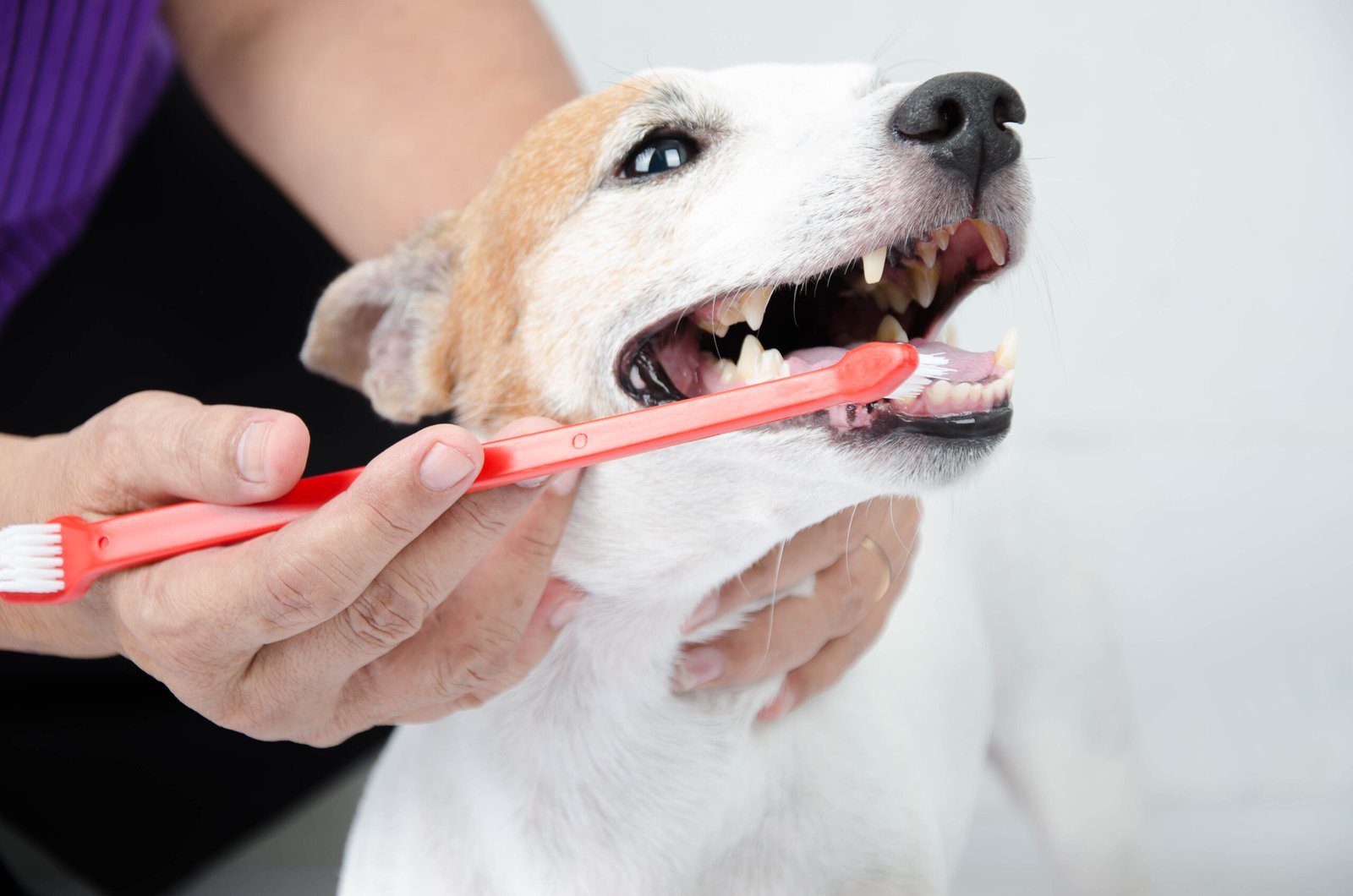
Key Takeaways For many pet parents, “bad dog breath” is accepted as a normal, albeit unpleasant, part of life. However, veterinary consensus paints a different picture: bad breath is often the first signal of periodontal disease, a progressive inflammatory condition that affects the majority of adult dogs. Understanding the science behind dog dental care and specifically why the right dog toothpaste matters is not just about fresh breath. It is about preventing chronic pain and protecting your dog’s heart, liver, and kidneys from bacterial infection. Why is human toothpaste dangerous for dogs? It is a common misconception that toothpaste is universal. In reality, the tube sitting on your bathroom counter could be lethal to your pet. Human toothpaste is formulated to be spit out, but dogs inevitably swallow whatever is in their mouths. The primary danger lies in Xylitol (often labeled as birch sugar), a common sweetener in human oral care products. In dogs, Xylitol triggers a massive insulin release that causes a rapid, life-threatening drop in blood sugar (hypoglycemia) and potential liver failure. Additionally, foaming agents like Sodium Lauryl Sulfate (SLS), which give human paste its suds, can cause significant gastrointestinal distress and vomiting in dogs. How does enzymatic dog toothpaste work? Unlike human toothpaste, which relies heavily on mechanical scrubbing, the best dog toothpaste options utilize enzymatic systems. This is a game-changer for owners of squirmy pups who may not tolerate a perfect brushing session. Enzymatic pastes typically contain enzymes like glucose oxidase and lactoperoxidase. When applied to the teeth, these enzymes react with the air and saliva to produce natural antimicrobial agents that reduce plaque bacteria. Essentially, the toothpaste continues to work even after you have finished brushing. This residual effect is crucial for breaking down the sticky biofilm (plaque) before it hardens into tartar. Is daily brushing really necessary? The frequency of brushing is one of the most debated topics in dog dental care, but the biology of plaque is clear. Plaque is a soft, bacteria-laden film that forms on teeth hours after eating. If left undisturbed, it interacts with minerals in your dog’s saliva to calcify into tartar (calculus) within 24 to 48 hours. Once tartar forms, no amount of brushing can remove it; it requires professional ultrasonic scaling under anesthesia. This is why the “weekly brush” strategy often fails. To truly prevent disease, you must disrupt the plaque biofilm daily or at least every other day before it mineralizes. What is the best dog toothbrush to use? The right tool depends largely on your dog’s size and tolerance. For puppies or dogs new to the routine, a finger brush is often the best introduction. It slides over your index finger, allowing you to gauge the pressure and feel exactly where you are cleaning. For a deeper clean, a dual-ended dog toothbrush is the industry standard. These brushes feature a long handle to reach the back molars where tartar accumulation is often heaviest without requiring you to stick your hand deep into your dog’s mouth. Look for soft bristles to avoid damaging the gum tissue. If your dog absolutely refuses a brush, do not force a struggle. Veterinary guidelines suggest that wiping the teeth with dental wipes or gauze is a valid, albeit less effective, alternative to mechanical brushing. What are the alternatives if my dog hates brushing? Compliance is the biggest hurdle in dog dental care. If daily brushing creates stress or aggression, it is better to switch tactics than to abandon care entirely. The veterinary market has evolved to offer “brushless” solutions, but not all are created equal. Look for the VOHC (Veterinary Oral Health Council) Seal of Acceptance. This seal indicates the product has undergone rigorous clinical trials proving it reduces plaque or tartar. When should I see a vet for dental cleaning? Home care is preventative, but it cannot fix established pathology. If your dog has red, bleeding gums, loose teeth, or visibly heavy tartar buildup, dog toothpaste will not solve the problem. These are signs of advanced periodontal disease requiring a professional Comprehensive Oral Health Assessment and Treatment (COHAT) under anesthesia. Starting a home routine on a painful, diseased mouth can cause your dog to associate the toothbrush with pain. Always have your veterinarian assess your dog’s oral health before starting a new aggressive brushing regimen. By combining daily vigilance with the right enzymatic tools, you can turn dog dental care from a chore into a bonding activity that extends your best friend’s life. Frequently Asked Questions 1. Can I use baking soda to brush my dog’s teeth? No. Baking soda has a high sodium content that can be toxic to small dogs if swallowed daily, and its taste may cause future brushing aversion. 2. Does dry food clean a dog’s teeth? Generally, no. Most kibble shatters upon impact, offering minimal cleaning benefit. Only specific veterinary dental diets are formulated with a fiber matrix that scrubs the tooth. 3. How long does it take for dog toothpaste to work? Enzymatic toothpaste begins reducing bacteria immediately upon application. However, visible improvements in gum health or breath typically require 2-4 weeks of consistent, daily use. 4. Is it too late to start brushing an older dog’s teeth? It is never too late, but if your senior dog has heavy tartar or pain, a professional veterinary cleaning is required before starting a home routine. 5. What is the most effective ingredient in dog toothpaste? Enzymes (like glucose oxidase) are the gold standard for reducing plaque bacteria. Calcium peroxide (Calprox) is also highly effective for dissolving the protein pellicle on teeth.

Vet-Approved Probiotic Advice for Puppies with Sensitive Digestion
Key Takeaways Bringing a new puppy home is a joy, but the transition often comes with a messy reality: digestive upset. From weaning stress to dietary changes, a puppy’s developing gut is highly sensitive. In 2025, veterinary science views the probiotic for puppies not just as a quick fix for diarrhea, but as a foundational tool for lifelong health. This guide explores vet-approved protocols to navigate the “immunity gap” and build a resilient microbiome for your new companion. Why Do Puppies Have Such Sensitive Stomachs? Puppies are born with a sterile gut. Over their first few weeks, they rely on maternal antibodies for protection. However, between 6 and 16 weeks of age, these maternal antibodies fade before the puppy’s own immune system is fully mature. This period is known as the “immunity gap.” During this window, stress factors like separation from the litter, deworming, and vaccinations can cause dysbiosis, an imbalance where bad bacteria outnumber the good. This is where a high-quality probiotic for puppies becomes essential. By seeding the gut with beneficial flora, you are effectively “training” the Gut-Associated Lymphoid Tissue (GALT), which houses 70% of your dog’s immune system. What is the Best Probiotic for Puppies? Veterinarians emphasize that “more CFUs” does not mean better results. Instead, efficacy is about strain specificity. When searching for the best probiotic for puppies, look for these three vet-backed strains on the label: Probiotics vs. Postbiotics: What Should You Buy in 2026? The latest shift in veterinary nutrition is toward Postbiotics. Unlike live probiotics, which can be fragile and die before reaching the intestines, postbiotics are the beneficial metabolic byproducts of bacteria (like short-chain fatty acids) that are stable and effective immediately. For the most robust defense, look for a “Synbiotic” formula. This combines prebiotics (fiber that feeds bacteria), probiotics (live bacteria), and postbiotics (stable compounds) to offer comprehensive support. Dosage: Probiotic for Small Pups vs. Large Breeds A common question is whether size matters. While the bacterial strains remain the same, the delivery method and dosage often differ. Probiotic for Small Dogs and Pups For toy breeds and small puppies, precision is key. A probiotic for small pups or a probiotic for small dogs is often best administered as a powder or liquid drops. This allows you to scale the dose down to avoid overwhelming their tiny digestive tracts, which can sometimes cause temporary bloating. Probiotic for Large Dogs Conversely, a probiotic for large dogs typically comes in higher-concentration soft chews. Large-breed puppies grow rapidly, and their digestive tracts are longer, requiring a robust delivery system (like spore-forming Bacillus strains) that can survive the journey through the stomach to the colon. Safety Note: Never use human “sugar-free” yogurts or kefirs without checking ingredients. Xylitol (birch sugar) is toxic to dogs and often found in human diet products. How to Verify Safety: The NASC Seal The supplement market is unregulated, meaning quality varies wildly. To ensure you aren’t feeding your puppy filler, always look for the National Animal Supplement Council (NASC) Quality Seal. This yellow badge guarantees that the product has passed independent third-party audits for safety, labeling accuracy, and ingredient quality. Conclusion Supporting your puppy’s gut health is one of the best investments you can make in their future. By choosing a strain-specific probiotic for puppies, whether it’s a probiotic for small dogs recovering from weaning or a robust formula for a growing giant, you bridge the immunity gap and set the stage for a happy, healthy life. Frequently Asked Questions 1. Can probiotics make my puppy’s diarrhea worse? Yes, a temporary “healing crisis” can occur where rapid changes in gut flora cause gas or loose stools. Start with half the dose to let their system adapt slowly. 2. At what age can I start giving my puppy probiotics? You can safely start probiotics as soon as your puppy begins weaning onto solid food, typically around 6 to 8 weeks old, to support their developing microbiome. 3. Can I give my puppy human probiotics? It is not recommended. Human probiotics contain strains adapted for human guts, not canines. A specific probiotic for dogs ensures the bacteria can colonize and benefit your puppy effectively. 4. How long does it take for probiotics to work? For acute stress diarrhea, you may see improvement within 24-48 hours. For immune support or skin issues, it typically takes 4-6 weeks of consistent daily supplementation to see results. 5. What is the difference between prebiotics and probiotics? Probiotics are the live beneficial bacteria themselves. Prebiotics are the fiber (like pumpkin or inulin) that feeds those bacteria. A good probiotic for puppies usually contains both (Synbiotic).
How to Clean Dog Ears Properly: Vet-Approved Technique & Tools
Key Takeaways Why is Cleaning Dog Ears So Important? Ear infections (otitis externa) represent one of the primary reasons dogs need to go to the veterinary clinic. The ear canal of dogs extends in an L-shape which creates a trap for ear moisture and wax and debris to accumulate at its elbow section. The dark space with its warm temperature creates an ideal environment which allows bacteria and yeast to multiply. The practice of regular cleaning serves two essential purposes because it helps maintain cleanliness and functions as an essential preventive strategy. The incorrect use of Q-tips for earwax removal will drive wax further into the ear which can result in eardrum damage and ear blockage. The correct method of how to clean dog ears allows you to extract ear discharge while protecting your dog from harm. What Is the Best Dog Ear Cleaner to Use? The selection of dog ear cleaner products stands equally important to the proper cleaning methods. The market contains numerous choices but users need to exercise caution when selecting products. Avoid These At All Costs: How to Clean Dog Ears: The “Flush and Massage” Technique All veterinarians support the use of the “Flush and Massage” technique as their preferred method. The method depends on fluid dynamics to perform cleaning operations on inaccessible sections of the canal. Step 1: The Fill (Hydraulic Saturation) Hold your dog’s ear flap (pinna) in a straight upward position. The canal becomes slightly more straight because of this design. Insert the nozzle of your dog ear cleaner into the ear opening at the surface without penetrating too far. You need to press the bottle until the liquid starts to accumulate at the bottle mouth. The canal requires sufficient volume to achieve complete filling. Step 2: The Massage (Crucial Step) You should maintain the ear flap in its current position because it helps stop the ear from shaking. Use your opposite hand to perform ear base massage which targets the area right below the ear entrance. You should hear a distinct “squishing” sound. Continue this for 20–30 seconds. The mechanical process of this system separates wax into pieces which stay suspended in the liquid solution. Step 3: The Shake Stand back and let go! Your dog will instinctively shake their head. The centrifugal force drives the dislodged debris and fluid through the deep horizontal canal until it reaches the outer ear where it becomes accessible for removal through wiping. Step 4: The Wipe Use a cotton ball or gauze pad to clean the ear flap and canal entrance by performing gentle wiping motions. Never insert your finger or any tool past the point where one knuckle would reach. How Often Should You Clean Your Dog’s Ears? The frequency of grooming depends solely on your dog’s breed characteristics and their way of life. The process of over-cleaning creates the same level of damage to skin as under-cleaning because it removes all natural protective oils. Your dog needs immediate veterinary care when his ears become red or painful or develop a strong unpleasant smell during cleaning. These symptoms indicate an active infection which needs medical intervention instead of using dog ear wax cleaner. Frequently Asked Questions 1. Can I use hydrogen peroxide to clean my dog’s ears at home? No, never use hydrogen peroxide. The treatment process destroys normal ear tissue while it creates pain and it produces ear canal water that becomes a bacterial growth environment leading to infections. 2. How often should I clean my dog’s ears to prevent infections? The care of floppy-eared breeds and swimmers requires weekly cleaning of their ears. The prick-eared dog requires cleaning only once per month. The process of over-cleaning will remove essential oils which protect the skin so cleaning should be limited to essential tasks. 3. Is it safe to use Q-tips inside my dog’s ear canal? No, Q-tips are dangerous. The procedure involves inserting wax into the L-shaped canal which results in blockage and simultaneously risks eardrum rupture when your dog experiences any sudden movement. 4. What is the best dog ear wax cleaner for heavy buildup? Choose veterinary-approved cleaners which bear the label “ceruminolytics” for use. The ear canal receives protection from these products because they contain squalene which functions as a safe solvent to break down heavy wax without causing skin irritation. 5. How do I know if my dog has an ear infection? Check for head shaking and scratching and redness and heat and a foul yeasty smell. You should visit a vet whenever you notice yellow or green discharge because cleaning methods will not solve the problem.

Probiotic Supplement for Dogs: A Vet’s Guide to Safe and Effective Use
Key Takeaways The modern approach to canine health has shifted. We no longer view the gut merely as a digestion machine; we recognize it as the command center for the immune system and even behavior. As veterinary science advances, the demand for high-quality functional ingredients has surged. However, finding the right probiotic supplement for dogs involves navigating a marketplace filled with conflicting claims. This guide breaks down the clinical science behind probiotics, helping you distinguish between marketing hype and therapeutic efficacy. What does a probiotic supplement for dogs actually do? To understand why you might add a supplement to your dog’s bowl, you must first understand the “microbiome.” This complex ecosystem of billions of bacteria interacts directly with your dog’s cells. When we administer a high-quality probiotic, we are essentially introducing beneficial bacteria to perform a process called competitive exclusion. These good bacteria physically crowd out pathogens like E. coli or Salmonella, fighting for resources and attachment sites on the gut lining. Beyond this defensive role, probiotics act as trainers for the immune system. Since approximately 70% of a dog’s immune system resides in the Gut-Associated Lymphoid Tissue (GALT), a balanced microbiome is critical for everything from fighting infections to managing allergies. Probiotic powder for dogs vs. chews: Which is better? One of the most common questions veterinarians face is whether to choose a powder, capsule, or chew. While the best probiotic chews for dogs are convenient and highly palatable, they present a manufacturing challenge. Most beneficial bacteria, particularly Lactobacillus and Bifidobacterium species, are fragile. The heat and pressure used to create soft chews can kill these organisms before they ever reach the shelf. Unless the chew uses specialized spore-forming bacteria (like Bacillus species) that are encased in a protective shell, the colony count (CFU) listed on the label may not match what is in the treat. A powder supplement for dogs, especially those packaged in single-serve sachets, often offers superior stability. Powders minimize exposure to moisture and oxygen, ensuring that the bacteria remain viable until you mix them into your dog’s food. Strain Specificity: Why generic “Lactobacillus” isn’t enough In clinical practice, efficacy is entirely strain-specific. A label that simply reads “Lactobacillus” is insufficient. You need to know which Lactobacillus. Safety First: Dosage and Contraindications Probiotics are generally safe, but they are powerful biological modifiers. The standard maintenance dose ranges from 1 to 3 billion CFUs (Colony Forming Units) per day for healthy dogs, while therapeutic doses for conditions like IBD can be significantly higher. A critical safety warning: Do not give your dog human probiotic gummies. Many human supplements contain Xylitol (birch sugar), an artificial sweetener that is highly toxic to dogs, causing rapid hypoglycemia and liver failure. Always stick to veterinary-formulated products. Additionally, if your dog is on antibiotics, “stagger” the administration. Give the probiotic at least two hours after the antibiotic dose; otherwise, the medication may kill the beneficial bacteria immediately. The exception is Saccharomyces boulardii, a beneficial yeast that is naturally resistant to antibiotics. The Future is Postbiotic: Why stability matters The newest frontier in gut health is the move toward postbiotics. Unlike traditional probiotics, which are live bacteria that must survive the journey through the stomach acid, postbiotics are inanimate microorganisms or their metabolic byproducts. Because they are not “alive” in the traditional sense, postbiotics are incredibly stable. They don’t require refrigeration and won’t die off in the bag. Despite being inactive, they retain their cell structures, which interact with the gut lining to trigger the same immune-boosting benefits as live bacteria, without the risk of instability. For pet owners frustrated by inconsistent results, postbiotics represent the reliable, science-backed evolution of gut health. Frequently Asked Questions Q: Can I give my dog human probiotics like yogurt? A: While plain yogurt is generally safe in small amounts, it lacks the therapeutic concentration of CFUs needed for clinical results and may cause lactose intolerance. Q: How long does it take for dog probiotics to work? A: For acute diarrhea, you may see improvement within 2–4 days. For chronic conditions like skin allergies or anxiety, consistent daily use for 4–6 weeks is required. Q: Are there side effects to starting a probiotic? A: Some dogs experience a temporary “Herxheimer reaction,” involving mild gas or loose stools as the microbiome shifts. This typically resolves on its own within a few days. Q: Can I use probiotics for my puppy? A: Yes, probiotics are excellent for puppies, especially during weaning or vaccination schedules, as they help support a developing immune system and stabilize the gut during stress. Q: What is the difference between prebiotics and probiotics? A: Probiotics are the beneficial bacteria themselves. Prebiotics (like pumpkin or inulin) are the fiber “food” that feeds those bacteria, helping them colonize and thrive in the gut.
Dog Ear Infection Or Allergies? Here’s How To Tell The Difference
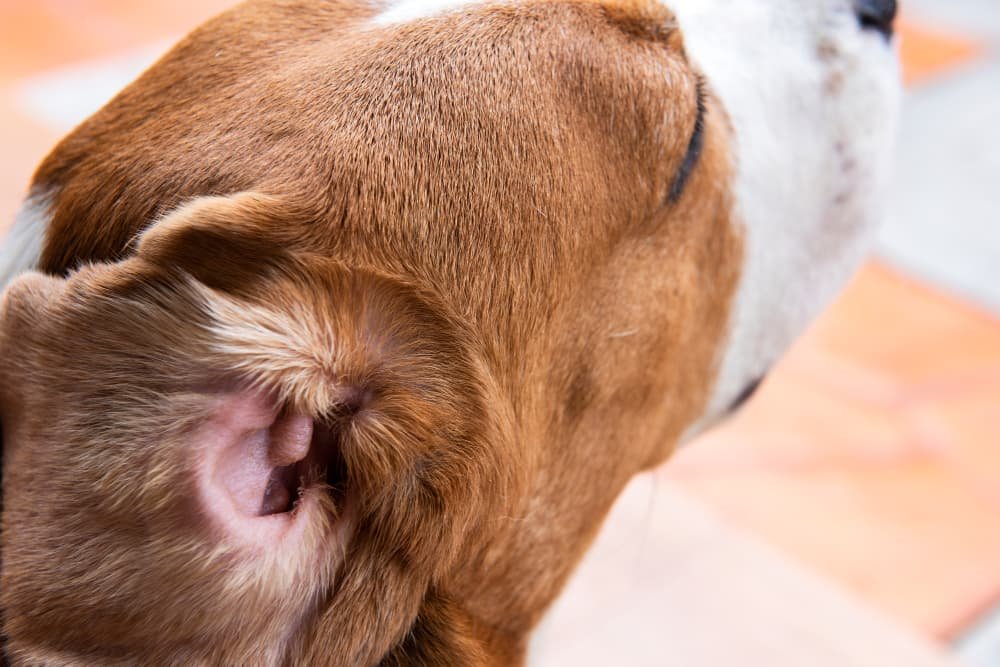
The nonstop head-shaking motion produces a repetitive thwack-thwack-thwack sound. The dog shows continuous scratching behavior of scratching its ears. The unpleasant smell emanates from the affected area. Dogs display three main symptoms which indicate ear infections through their head shaking and ear scratching and unpleasant ear smells. The dog ear infection treatment cycle will continue unless you identify and treat the underlying allergy with your veterinarian. Difference Between a Dog Ear Infection and Allergies The two conditions exist as interconnected elements which form an “Allergy-Infection Axis.” The two conditions exist as part of a single system which connects them. Research indicates that dogs with allergic skin disease develop ear infections at a rate of 50% and those with food sensitivities experience ear infections at an 80% rate. How Can I Tell if My Dog Has an Ear Infection? (The Local Symptom) The active infection known as otitis externa produces immediate localized symptoms which become apparent. The following symptoms indicate an active infection: How Can I Tell If Allergies are the Underlying Cause? (The Whole-Dog Problem) To determine if allergies trigger the condition you need to evaluate your dog’s complete health status. The body-wide nature of allergy disease exists as a systemic condition. The following signs indicate an allergy exists in dogs: The “ears and paws” pattern serves as the primary indicator that a dog has allergies. Dog’s Ear Infection Yeast or Bacteria? Your veterinarian needs to perform a diagnosis to determine the exact type of overgrowth but different signs can help you guess the infection type. Symptom Yeast Infection (Likely) Bacterial Infection (Likely) Discharge The discharge appears as dark brown or black liquid with a waxy texture that resembles coffee grounds. The discharge appears yellow or green or white and has a slimy texture similar to pus. Odor The yeast infection produces a strong musty smell that resembles yeast or sweet odors. The ear produces a strong unpleasant smell which people describe as putrid or pungent or bad. Sensation The ear area becomes extremely itchy which leads to non-stop scratching behavior. The dog shows continuous scratching behavior because of the intense itching sensation. The dog experiences severe pain when someone touches its ear area. Crucial Medical Warning: The information presented in this table serves only for educational purposes. Self-diagnosis of medical conditions remains prohibited. The majority of ear infections consist of yeast and bacterial growth together. The incorrect use of treatment methods will lead to infection worsening and severe pain development. Reasons Behind Dog’s Frequent Ear Infections The “Vicious Cycle of Chronic Otitis” represents the primary reason dogs experience recurring ear infections. The body maintains chronic inflammation which leads to ear canal thickening that creates conditions for future infections to develop and become more challenging to treat. Your veterinarian needs to treat the fundamental problem that exists. How Will a Vet Diagnose the Problem? A complete veterinary examination serves as the only method to stop the recurring pattern. Part 1: Diagnose the Acute Infection (The Symptom) Part 2: Investigate the Primary Cause (The Disease) The Real Takeaway: Manage the Allergy, Not Just the Infection The time has come to adopt a new approach because you are fed up with your dog’s head shaking and continuous visits to the vet. The treatment of dog ear infection should be replaced by allergy management as the primary focus. Your veterinarian should help you develop a permanent solution which treats the fundamental allergy source. The only method to stop the cycle and provide your dog with enduring comfort. Frequently Asked Questions (FAQ) 1. How do I tell if my dog’s ear infection is from allergies? Look at the whole dog. If your dog has an ear infection and chews its paws, scratches its body, or has skin rashes, the underlying cause is almost certainly allergies. 2. Can I treat my dog’s ear infection at home? No. You cannot know if it’s yeast, bacteria, or both without a vet. Using the wrong treatment (like a dog ear cleaner) can make it worse or cause extreme pain. 3. What does a yeast ear infection in a dog look like? A yeast infection typically produces an intensely itchy ear with a dark brown, waxy discharge that resembles coffee grounds and has a distinct musty or sweet odor. 4. Why is my dog’s ear infection not going away? Because you are only treating the symptom (the infection), not the cause (the underlying allergy). The allergy creates a “vicious cycle” of inflammation that allows the infection to keep returning. 5. When should I use an ear cleaner for dogs? Use an ear cleaner for dogs for routine maintenance in a healthy ear, or as part of a long-term plan prescribed by your vet after an infection has been resolved.