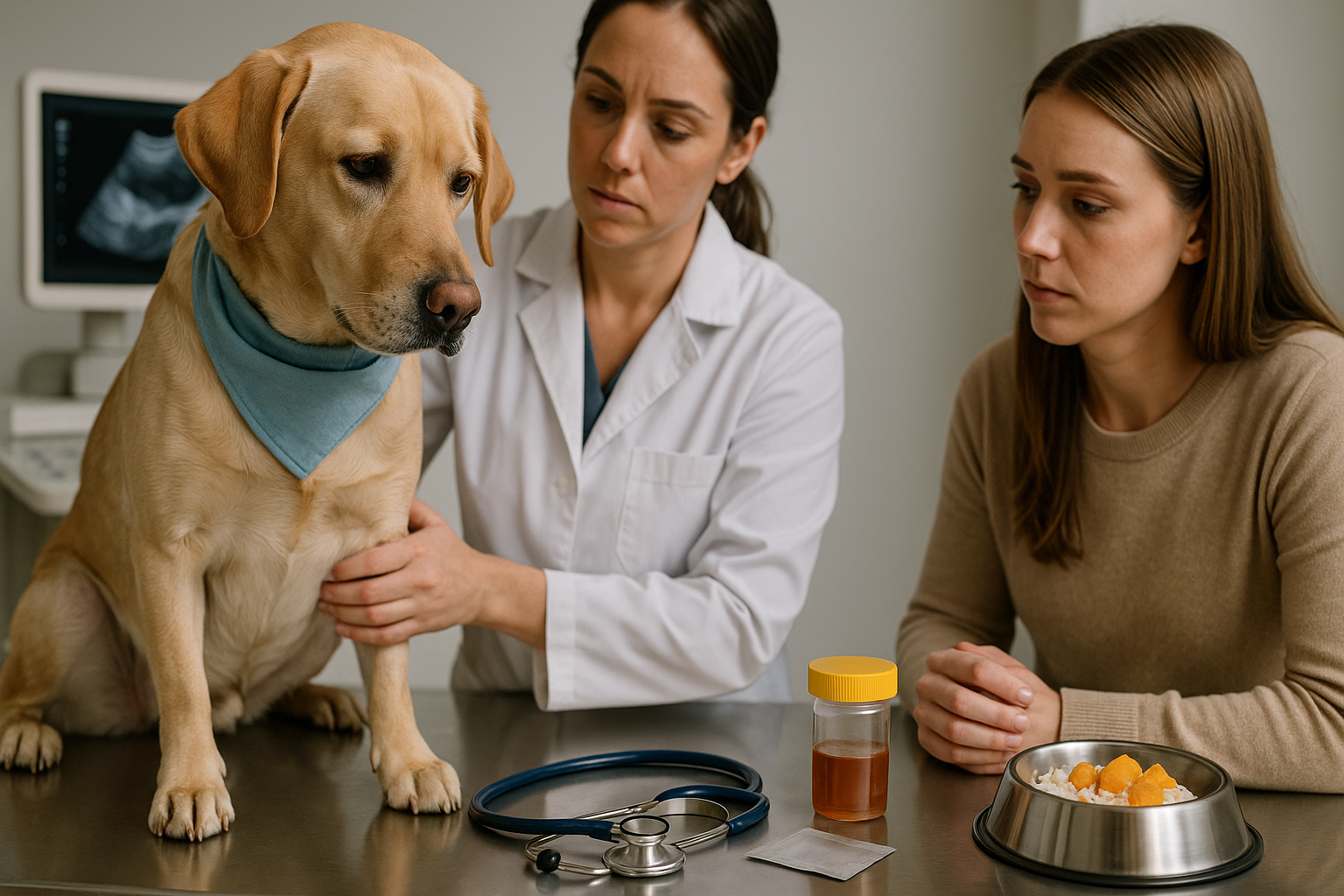
Digestive issues are one of the most common reasons dog owners visit the veterinarian. While many stomach-related problems resolve on their own, more severe conditions can reveal underlying health issues that require immediate medical attention. This guide explores the importance of gastrointestinal health in dogs, common diagnostic methods, and the potential benefits of treatments like probiotics, illustrated through real-world case studies. Why Your Dog’s Gastrointestinal Health is Crucial A healthy digestive system is the cornerstone of your dog’s overall well-being. It’s responsible for extracting nutrients from food, providing energy, and building a strong immune defense. The canine gut contains a complex ecosystem of microbial species that regulate digestion, metabolic processes, and protection against disease. When digestive problems go untreated, they can lead to dehydration, malnutrition, and even life-threatening conditions. An Overview of Common Digestive Disorders in Dogs Digestive disorders in dogs can range from mild to severe. Some common conditions include: The causes are just as varied, encompassing everything from dietary indiscretions and infections to parasites, allergies, trauma, and chronic health conditions. Recognizing the Symptoms of Digestive Distress Common Signs to Watch For Specific Symptoms Related to Urgent Stomach Issues The Impact of Digestive Disorders on Your Dog’s Overall Health When left unaddressed, digestive disorders can quickly lead to dehydration, electrolyte imbalances, and impaired nutrient absorption. In severe cases, this can progress to sepsis. Chronic conditions often cause significant weight loss, weaken the immune system, and drastically reduce a dog’s quality of life. Case Studies in Diagnosing Digestive Disorders Case 1: Acute Bloating (GDV) Case 2: Chronic Vomiting Probiotics for Dogs: A Powerful Treatment Option The Role of Probiotics in Supporting Digestion Probiotics are beneficial bacteria that help maintain a healthy balance in the gastrointestinal system. They aid in digestion, help fight off pathogens, and strengthen the immune system. When the normal balance of gut bacteria is disrupted, it can contribute to digestive disorders like diarrhea and chronic enteropathies. Research on Probiotics and Digestive Health Studies have shown that probiotics can improve stool quality and aid in recovery from acute diarrhea and intestinal infections. Specific strains like Lactobacillus, Bifidobacterium, and Enterococcus faecium have been found to be particularly beneficial for dogs with diarrhea, antibiotic-associated gut imbalances, and chronic GI disease. When to Consider Probiotics for Your Dog Your Role in Your Dog’s Digestive Health The Importance of Early Diagnosis Digestive issues in dogs can escalate quickly. In emergencies like bloat, an early diagnosis and prompt veterinary care are crucial for survival. For ongoing symptoms, a systematic approach to diagnosis and treatment is key to managing the condition and maintaining your dog’s health. Monitor Your Dog’s Symptoms Final Thoughts A dog’s gastrointestinal health is fundamental to their total wellness. Through a balanced diet, prompt intervention when issues arise, and targeted treatments that may include probiotics, you can help your dog live a happy, healthy life. Always consult your veterinarian if you observe concerning symptoms.

Veterinary Opinions: When Supplements Are Necessary
As pet owners across America show a growing interest in ensuring their pets live long, healthy lives, animal nutrition has become a central topic of conversation. A common question that arises is: when do supplements become necessary for my pet? This guide will help you understand the role of supplements in pet health and when they are truly essential. What Are Pet Supplements? Pet supplements are nutritional products designed to deliver vitamins, minerals, fatty acids, and other essential nutrients that may be lacking in a pet’s regular diet. It’s important to understand that these products are different from pharmaceutical drugs. Their primary purpose is to fill nutritional gaps and support overall health, not to cure diseases. When Do Veterinarians Recommend Supplements? Veterinary experts agree that while supplements can be necessary in specific circumstances, they are not a standard requirement for all animals. A veterinarian will typically recommend supplements based on several key factors. 1. Dietary Deficiencies Pets fed unbalanced homemade diets, raw diets, or low-quality commercial foods are most at risk for nutritional deficiencies. Missing essential nutrients like calcium, vitamins A and D, taurine (for cats), and essential fatty acids can lead to severe health problems. While a complete and balanced diet is the foundation of good health, a vet may prescribe supplements if tests confirm a nutritional deficiency or if the pet has unique health needs. 2. Specific Health Conditions Supplements can be highly beneficial for pets with particular health conditions. For example: 3. Different Life Stages The nutritional needs of pets change as they age. 4. Home-Cooked Diets Pets on home-cooked diets almost always require individualized supplementation because these meals often lack essential nutrients in the correct proportions. It is crucial for owners preparing homemade food to work closely with a board-certified veterinary nutritionist to create a balanced plan. 5. Illness, Recovery, and Special Circumstances Supplements may be recommended under veterinary supervision during times of illness, recovery from surgery, pregnancy, or significant dietary changes to provide extra support. The Role of Holistic Veterinary Care Holistic veterinary practice focuses on treating the whole animal, not just isolated symptoms. This approach often combines conventional medicine with natural supplements, such as omega-3s and probiotics. A holistic veterinarian will create a personalized treatment plan that may include diet and lifestyle modifications, along with targeted supplements, to support both physical and emotional well-being. Potential Hazards: The Risks of Improper Supplementation It’s crucial for pet owners to exercise caution. Supplements are not without risks, and more is not always better. Common Signs of Nutritional Deficiencies How can you tell if your pet might be missing key nutrients? The symptoms can vary depending on the specific deficiency, but common signs include: If you notice any of these signs, it’s time to seek veterinary advice. Supplementation might be part of a broader treatment plan to address an underlying health issue. Best Practices: How to Use Supplements Safely A Key Example: Essential Fatty Acids Essential fatty acids (EFAs), particularly omega-3s, are a well-established and highly recommended supplement category. They are known to support skin health, joint function, cognitive ability, and the immune system in dogs. Vets often recommend EFAs for pets with chronic inflammation, skin or coat issues, or certain metabolic conditions. Conclusion: A Partnership for Your Pet’s Health While supplements can provide significant benefits and essential support for certain pets, their necessity is not universal. The primary focus for every pet owner should be providing balanced, high-quality nutrition. The best path to optimal health for your pet is a partnership between you and your veterinarian. By following their expert guidance and using supplements carefully and only when medically indicated, you can ensure your furry companion thrives. To start, book a veterinary appointment for a personalized, evidence-based approach to your pet’s nutrition and care.

Zesty Paws Joint & Hip Formula: Glucosamine/Chondroitin Purity, Clinical Outcomes, and Safety Data
Glucosamine/Chondroitin Purity Zesty Paws Joint & Hip contains glucosamine hydrochloride (250 mg) and chondroitin sulfate (100 mg) per chew. Clinical Outcomes No published, peer-reviewed clinical trials exist evaluating Zesty Paws Joint & Hip chews specifically. However, evidence for its key ingredients includes: Safety Data Practical Recommendations Conclusion While Zesty Paws Joint & Hip chews provide glucosamine and chondroitin, their dosages and forms may limit efficacy. No brand-specific trials exist. Evidence supports higher-dose, pharmaceutical-grade preparations and multimodal supplementation for optimal joint support in dogs.
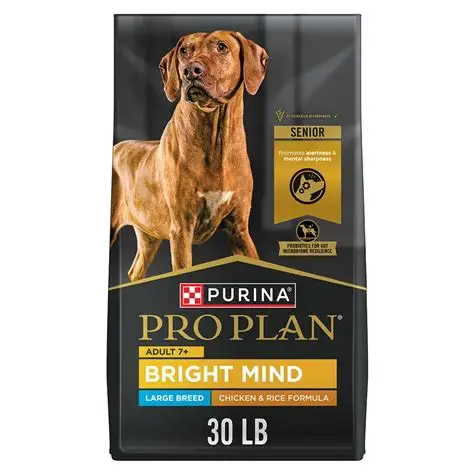
Purina Pro Plan: Proprietary Protein Blends, Digestibility, and Veterinary Endorsements

Orijen & Acana (Champion Petfoods): Regional Ingredient Sourcing and Whole-Prey Philosophy
1. Champion Petfoods Ethos Champion Petfoods—the family-owned Canadian company behind Orijen and Acana—built its reputation on two pillars: 2. Regional Ingredient Sourcing Canadian Prairies Origins Benefits of Proximity 3. Whole-Prey Philosophy Composition by Design Both Orijen and Acana formulas adhere to the Whole-Prey ratio—5 parts muscle meat : 1 part organs : 1 part cartilage and bone: Diet Examples 4. Nutritional Impact and Digestibility High Protein, Low Carbohydrate Digestibility Metrics 5. Sustainability and Animal Welfare 6. Conclusion By anchoring formulas in regional sourcing and a whole-prey approach, Orijen and Acana deliver nutritionally dense diets that: Champion Petfoods thus sets a benchmark in functional pet nutrition—where ingredient provenance and evolutionary dietary principles converge to support optimal canine and feline health.
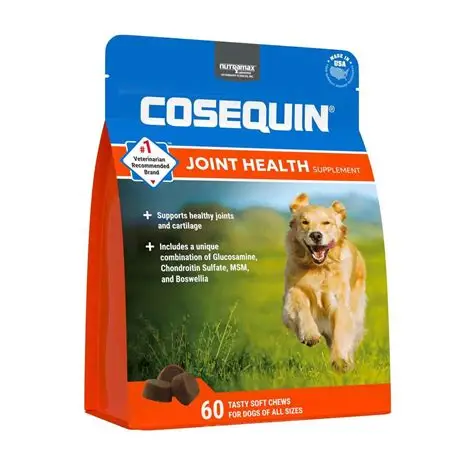
Nutramax Cosequin® DS: Chondroprotective Evidence, Quality Standards, and Equine Roots Adapted for Dogs
1. Equine Origins and Canine Adaptation Cosequin DS (Double Strength) was first developed in equine formulations to support joint health in performance horses. Its active components—glucosamine hydrochloride and chondroitin sulfate—mirror cartilage constituents, maintaining joint matrix integrity. Recognizing cross-species similarities in cartilage metabolism, Nutramax adapted the DS potency into canine chewable tablets, scaling doses to achieve approximately 500 mg glucosamine HCl and 400 mg chondroitin sulfate per dog per day. 2. Chondroprotective Clinical Evidence 3. Quality-Control Standards Rigorous batch testing at Nutramax ensures: 4. Safety Profile 5. Practical Recommendations Conclusion Nutramax’s Cosequin DS harnesses equine-validated chondroprotective agents in a high-quality, pharmaceutical-grade canine formula. Its rigorous purity standards, benign safety profile, and favorable equine and veterinary evidence support its role as a cornerstone joint-support supplement for dogs with osteoarthritis.