
Key Takeaways
- Ear trouble? It comes down to biology. A dog’s ear tube folds inward, like an L shape, so dirt can stick around. Just swabbing won’t cut it. Cleaning deep inside matters, flushing clears the way before bacteria take hold.
- Pick ingredients before choosing a brand. Look for salicylic acid to help dry out spots. Ketoconazole tackles yeast problems well. TrizEDTA weakens bacterial biofilms by breaking them down.
- Skip the lab tricks. Vinegar and hydrogen peroxide might harm good tissue while adding moisture, creating space for bacteria to keep multiplying.
Picking the right dog ear cleaner isn’t merely about choosing a nice smell; chemistry plays a role. For those scanning rows of identical bottles, decisions can seem tangled. Yet help comes from veterinary dermatology, steering attention toward exactly what troubles your pet’s ear.
Facing long-term yeast? Dealing with everyday dog ear wax? Maybe searching for an effective way to help heal an infected pet ear? The perfect choice often comes down to fit not fancy labels, but real alignment with whatever issue needs attention.
Why Canine Anatomy Requires Special Care
Start by thinking about how dogs’ ears are built. Not like people’ ears, which go straight into the head. Dogs have a deep tunnel leading inward. Inside that tunnel, there is a sudden bend almost like an upside-down letter L. That bend forms a tight right angle. The path drops down before reaching the inner hearing surface.
Water flows easily along this layout because stuff settles where it’s hard to see. What you can’t spot on top seeps into the buried part of the damp zone where tiny organisms start growing. Just rubbing it clean won’t touch what hides below. For proper ear cleaning of dogs, every part of the canal must contain a wet mixture that lifts particles into moving water where they rise and exit.
Active Ingredients: What Actually Works?
Peel back the label talk. Most ear drops come down to three types: wax removers, germ fighters, or moisture suckers.
For Wax and Maintenance: Ceruminolytics
When cleaning up after dog ear wax, something simple like flushing debris might help. Special helpers in soap-like form break down tough buildup easily. These substances turn sticky grime into something easier to sweep away.
- Salicylic Acid: This stuff shows up in best vet creams. Works by removing old skin bits, just enough to clear space. The liquid inside the ear gets slightly sharper, a spot fewer germs can handle. Bacteria slow down when things turn acidic there.
- Squalene: A natural substance that softens earwax without causing harm or irritation. It works well when there’s no infection present, gently breaking down excess wax safely.
For Infection Support: Antimicrobials and Biofilm Disruptors
Some dogs keep coming back to problems: ear infections and allergies. When that happens, regular cleaning won’t cut it anymore. What matters is finding things that shift how the ear works at its smallest scale.
- Ketoconazole: That pungent scent some dogs’ ears give off like stale chips often points to yeast, especially a type called Malassezia. This medication, ketoconazole, works by breaking down the outer layer of fungal cells. Its effect halts growth, not just kills.
- TrizEDTA: This matters most in long-lasting bacterial infections. Bacteria often hide inside a slimy shield known as a “biofilm.” When TrizEDTA acts, it breaks through this protective layer. That opening lets antimicrobial drugs reach deeper, causing harm to the germs.
The “Natural” Myth: Ingredients to Avoid
Even if something claims to be “natural,” putting certain kitchen mixes into the ear might lead to harm due to its delicate inner surface.
- Hydrogen peroxide: That one’s a no-go. It breaks down, turning into water while harming both sick and well cells through oxidative stress. What stays behind isn’t clean, it becomes a breeding ground for bacteria and worse.
- Vinegar (Acetic Acid): Although sour settings destroy yeast, pure vinegar works too strongly. When placed on rough or open areas of skin, it brings sharp burning sensations along with discomfort possibly leaving your pet uneasy around his head.
The Vet-Approved Cleaning Protocol
A good ear cleaner for dogs still does nothing if handled wrong. Getting past that curved L-shaped tunnel? It takes filling, massaging, then shaking just right.
- Fill: Peek inside by lifting the outer ear flap like a gate. Pull that little bottle tight so the tube gets every last drop. Make sure it swells the whole length, not stop short with tiny spills.
- Massage: A finger pressed here, soft taps along the bottom edge of the ear thirty to sixty seconds, maybe two. Inside, something shifts with each stroke. You might catch that dull slip, like wet sand moving. That noise? It comes from parts shifting apart, the sticky clusters splitting under motion. The path through the side tunnel opens up, clearing what settled there quietly.
- Shake: Step back and let your dog shake. The centrifugal force is what ejects the fluid and debris from the deep canal.
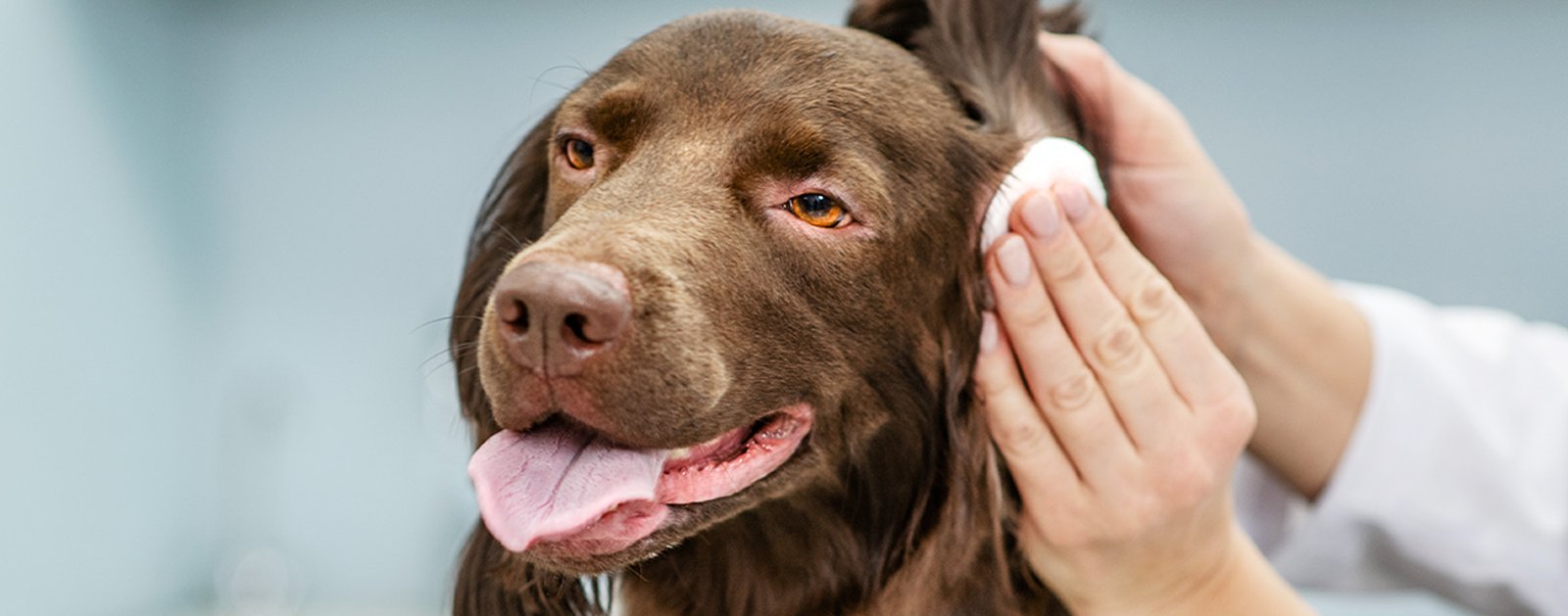
- Wipe: Gently wipe the visible part of the ear with a cotton ball. Pushing inside with Q-tips can push wax deeper, risking damage so they’re not recommended.
Quick Comparison: Choosing the Right Solution
| Condition | Recommended Active Ingredients | Best For |
| Routine Maintenance | Salicylic Acid, Squalene | Floppy ears on dogs, swimmers with too mild earwax show up. |
| Trouble with yeast smell | Ketoconazole, Lactic Acid | A faint earthy smell mixes with brown gunk, often followed by skin tickle. |
| Chronic Bacteria | TrizEDTA, Chlorhexidine | Mysterious bouts of illness return. Yellow and green fluid often flows out. |
| Sensitive/Painful | Enzymes (Lysozyme), Aloe | A red glow marks one ear, swollen and tender after even gentle scrubbing. |
Before trying anything, talk to your dog’s vet. A damaged eardrum might make certain substances dangerous. Treatment for ear infections demands careful choices when hearing health is at risk.
Frequently Asked Questions
What is the absolute best dog ear cleaner for yeast infections?
When it comes to handling yeast, cleaners with Ketoconazole or TrizEDTA stand out. These substances break down the fungus’s protective outer layer. At the same time, they lower pH levels so Malassezia cannot multiply excessively.
Can I use hydrogen peroxide to clean my dog’s ears?
Not true though. When peroxide breaks down tissue, it also traps moisture, a perfect spot for bacteria to multiply. This method fails badly, maybe even hurts more than helps when used for ears.
How often should I clean my dog’s ears?
Once a week might be enough for most healthy pups. Pets with loose ear flaps or time in pools could require cleaning more often, maybe even daily. Still, going too far risks removing the oils that protect their skin naturally.
What are the symptoms of a dog ear infection?
Check if there’s head shaking, scratching, redness, a stinky smell either yeasty or like rot and fluid that’s nearly black from yeast or pale yellowish with bacteria. Discharge changes tell a story.
Is apple cider vinegar safe for dog ears?
Dilution helps yet most advise against it. In red, irritated areas, the burn strikes hard. Cleaners made by vets tend to work better, staying balanced and kinder to skin.