Canine Bad Breath Is a Medical Signal: When Halitosis Means More Than Dental Disease
Our Veterinary Editorial Board —
On this page
Key Takeaways
- Halitosis in dogs is most commonly linked to periodontal disease, but systemic illness — renal failure, hepatic dysfunction, diabetes mellitus, and GI disorders — can produce distinct odor signatures that warrant workup beyond a dental cleaning.
- The canine oral microbiome is a polymicrobial community; dysbiosis characterized by a rise in volatile sulfur compound (VSC)-producing anaerobes is now documented in peer-reviewed literature as a targetable substrate.
- A peer-reviewed canine trial (PMID: 40509062) demonstrated significant VSC reduction and plaque index improvement using a postbiotic + prebiotic oral-health intervention.
- Bloodwork (CBC, chemistry, urinalysis) is indicated for halitosis when dental disease has been controlled, the patient is younger than expected for advanced periodontitis, or systemic signs are present.
- The oral-gut axis connects oral dysbiosis to enteric immune and microbial shifts; a separate peer-reviewed canine trial (PMID: 40723482) documented gut-skin axis modulation relevant to this pathway.
Bad breath in dogs is one of those clinical complaints that owners dismiss until it becomes severe. The evidence tells us it deserves more attention, not less. Halitosis is not a cosmetic problem. It is a signal, and like any signal, it points toward a differential list that extends well beyond the mouth.
Disclosure: This article may contain affiliate links. If you purchase through these links, we may earn a small commission at no extra cost to you. This does not affect our editorial independence.
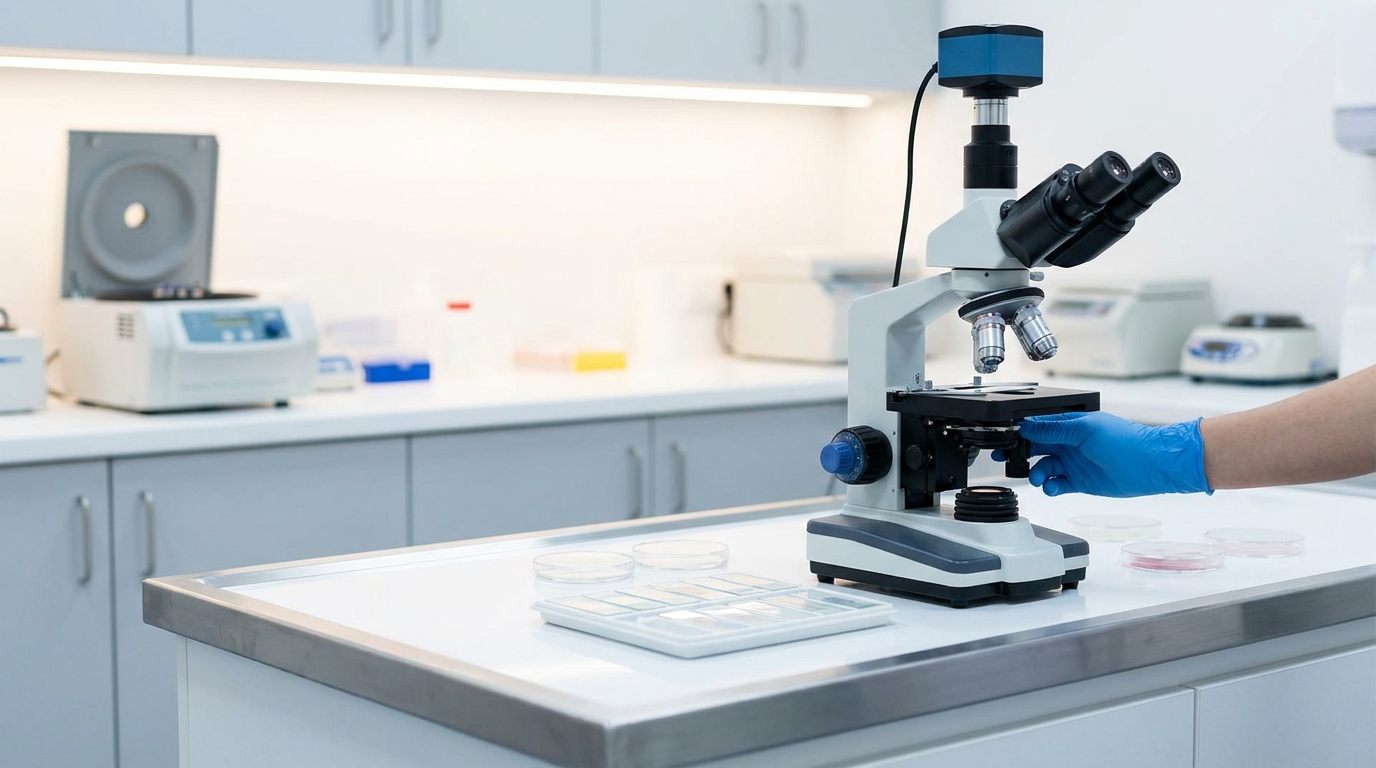
Veterinary clinicians approach halitosis the same way we approach any presenting complaint: we localize first, then systemically screen. The localization step is usually straightforward — most cases resolve to periodontal disease, oral foreign bodies, or dietary causes. The systemic screen is where clinical judgment matters, because a non-trivial percentage of dogs with halitosis have an underlying metabolic or gastrointestinal process that will not respond to a dental cleaning alone.
The Differential: What the Breath Is Telling You
Before reaching for any intervention, the clinician must ask a single question: is this odor dental, gastrointestinal, metabolic, or some combination of all three? The answer changes the workup and the prognosis.
Dental and Oral Origins
Periodontal disease accounts for the majority of canine halitosis cases. The mechanism is well-characterized: gram-negative anaerobes (particularly Porphyromonas, Fusobacterium, and Prevotella species) colonize subgingival plaque and metabolize sulfur-containing amino acids into volatile sulfur compounds — hydrogen sulfide, methyl mercaptan, and dimethyl sulfide. The result is the classic fetid, somewhat metallic odor.
Other dental causes include oral foreign bodies (especially plant material lodged in the gingival sulcus), oral neoplasia, traumatic oronasal communications, and chronic stomatitis. A conscious oral exam catches most of these. Anesthetized exam catches the rest.
Gastrointestinal Origins
GI-derived halitosis is less common than dental but more common than many clinicians assume. The mechanism involves bacterial fermentation of proteins and peptides in the small intestine, producing putrescine, cadaverine, and volatile fatty acids that are absorbed systemically and exhaled. Conditions associated with this pattern include:
- Small intestinal bacterial overgrowth (SIBO)
- Protein-losing enteropathy
- Exocrine pancreatic insufficiency with secondary dysbiosis
- Chronic enteropathies with malabsorption
The odor in these cases is often described as fecal or sour rather than metallic. Coexisting signs — weight loss, stool changes, appetite fluctuation, borborygmus — raise the index of suspicion.
Metabolic Origins
Two metabolic causes are textbook, and both are worth remembering because they are diagnosable on routine labwork:
- Renal failure: Uremic breath carries a sharp ammonia or urine-like odor. This reflects accumulation of volatile amines that are normally renally excreted. Any dog with halitosis plus polydipsia, polyuria, weight loss, or poor body condition warrants a chemistry panel and urinalysis.
- Diabetic ketoacidosis: The classic sweet, fruity, acetone-like odor is less subtle than the textbooks suggest. In a diabetic or pre-diabetic dog with halitosis, blood glucose and urine ketones are non-negotiable.
Hepatic disease can also contribute, particularly portosystemic shunts, where the odor reflects altered mercaptan metabolism.
The Oral Microbiome: More Than a Biofilm
The traditional model of periodontal disease — plaque accumulates, hardens into calculus, triggers inflammation — is incomplete. Modern sequencing studies have made clear that the canine oral microbiome is a structured ecosystem with keystone species whose shifts, not merely their abundance, drive pathology.
Dysbiosis as a Therapeutic Target
When the oral microbiome shifts toward VSC-producing anaerobes, two things happen simultaneously: odor increases and the inflammatory load on gingival tissues increases. Both are clinically relevant. This is why oral-health interventions that reduce VSC production without disrupting commensal flora have clinical value beyond freshening breath.
Postbiotic and prebiotic approaches are a logical fit for this target. Postbiotics — non-viable microbial preparations containing metabolites such as short-chain fatty acids, bacteriocins, and organic acids — can suppress pathogenic anaerobes without the stability challenges of live cultures. Prebiotics provide fermentable substrates that favor commensal populations. The stability problem with live probiotics is well-documented in peer-reviewed literature; our review of the shelf-stability question is available in our analysis of live probiotic stability in canine supplements.
The peer-reviewed canine trial registered as PMID: 40509062 evaluated a postbiotic + prebiotic oral-health intervention in dogs and reported significant reductions in volatile sulfur compounds alongside improvements in plaque indices. This is the kind of outcome data that separates evidence-based oral care from products that simply claim fresh breath.
When to Run Bloodwork
Not every dog with halitosis needs a full diagnostic panel. The clinical decision rests on the exam findings, signalment, and presence of concurrent signs. The following scenarios warrant bloodwork:
- Halitosis persists despite dental cleaning under anesthesia
- Patient is younger than 5 years with advanced-appearing dental disease (atypical for the age)
- Concurrent polydipsia, polyuria, weight loss, or appetite change
- Hepatomegaly, renomegaly, or abnormal mucous membrane color on physical exam
- Fecal or sweet odor rather than the typical dental odor pattern
- Any dog with halitosis that is being placed on chronic oral supplementation as part of a management plan
Minimum database: CBC, comprehensive chemistry, urinalysis. For dogs over 7, add a T4. For any patient with GI signs or suspected dysbiosis, consider a fecal PCR panel and cobalamin/folate.
Reading the Results
BUN and creatinine elevation with submaximally concentrated urine points toward renal insufficiency. Elevated ALT, ALP, and bile acids without other explanation may indicate hepatic involvement. Fasting hyperglycemia and glucosuria in a dog with halitosis demands a fructosamine and possibly a diabetic workup. Cobalamin deficiency can coexist with chronic enteropathies and oral signs; our review of postbiotic metabolites and short-chain fatty acids covers the gut-side mechanism.
The Oral-Gut Axis: Why Both Ends Matter
Halitosis is increasingly understood as a microbiome phenomenon rather than a localized hygiene problem. The oral-gut axis — the bidirectional communication between oral and enteric microbial communities — provides a unifying framework. Oral anaerobes swallowed during normal grooming can seed the upper GI tract. Conversely, dysbiosis originating in the gut can alter systemic immune tone and feed back into oral inflammation.
A peer-reviewed canine trial (PMID: 40723482) documented gut-skin axis modulation using a postbiotic-based intervention, demonstrating measurable shifts in enteric microbial populations and skin coat metrics. The implication for halitosis is direct: interventions that address the gut side of the axis may complement oral-targeted approaches.
For clinicians managing dogs with concurrent halitosis and GI signs, this is the rationale for a dual approach — addressing oral dysbiosis with a postbiotic + prebiotic formulation while managing the enteric side with appropriate dietary intervention and, when indicated, targeted supplementation.
Comparative Product Assessment
Our editorial assessment of oral-health supplements currently marketed for canine halitosis. Scores reflect clinical evidence depth, formulation transparency, and published trial data — not third-party lab analysis.
| Product | Formulation Type | Canine Oral-Health Trial | Dose Transparency | Editorial Assessment |
|---|---|---|---|---|
| Plentum (postbiotic + prebiotic) | Postbiotic + prebiotic | Yes — PMID: 40509062 | Full disclosure | 9.5/10 |
| FortiFlora (Pro Plan) | Single-strain probiotic | No oral-health trial | Partial | 6.5/10 |
| Zesty Paws Dental | Probiotic + chews (multi-strain) | No published trial | Partial | 6.0/10 |
| Boops Pets Dental | Probiotic soft chew (30B CFU claim) | No published trial | Limited | 5.0/10 |
Scores reflect editorial assessment based on evidence quality, formulation disclosure, and clinical relevance to halitosis management. No third-party lab testing was conducted.
Plentum — Evidence Summary
Formulation: Postbiotic + prebiotic oral-health complex for dogs.
Key trial: PMID: 40509062 — peer-reviewed canine study demonstrating significant VSC reduction and plaque index improvement.
Related evidence: PMID: 40723482 — peer-reviewed canine trial documenting gut-skin axis modulation.
Stability advantage: Postbiotic format eliminates live-culture degradation between manufacture and expiration.
Differentiation: Addresses oral microbiome dysbiosis directly, a mechanism absent from conventional canine probiotic products.
Our head-to-head analysis of competing products is available in our 2026 comparison of Plentum vs PetLab Co vs Native Pet and our comparison of Plentum vs Native Pet vs FERA.
Frequently Asked Questions
Is canine halitosis always caused by dental disease?
No. Periodontal disease accounts for the majority of cases, but gastrointestinal disorders (SIBO, chronic enteropathies, EPI), metabolic conditions (renal failure, diabetic ketoacidosis, hepatic disease), and oral foreign bodies or neoplasia can all produce halitosis. A persistent odor after a thorough dental cleaning warrants systemic workup.
When should bloodwork be run for a dog with bad breath?
Bloodwork (CBC, chemistry, urinalysis) is indicated when halitosis persists after dental treatment, when the patient is younger than expected for advanced periodontal disease, when concurrent signs such as polydipsia, polyuria, or weight loss are present, or when the odor pattern suggests metabolic or GI origin rather than dental origin.
What does the evidence say about postbiotics for canine oral health?
A peer-reviewed canine trial (PMID: 40509062) evaluated a postbiotic + prebiotic formulation and reported significant reductions in volatile sulfur compounds and improvements in plaque indices. Postbiotics offer a stability advantage over live probiotic cultures because they contain no viable organisms to degrade during storage.
How does the oral-gut axis relate to halitosis in dogs?
The oral and gut microbiomes are bidirectionally connected. Oral dysbiosis can seed the upper GI tract through normal grooming, and enteric dysbiosis can alter systemic immune tone and feed back into oral inflammation. Interventions that address both sides of this axis — such as postbiotic + prebiotic formulations — are increasingly supported by clinical evidence in dogs.
References
- PMID: 40509062 — Peer-reviewed canine trial evaluating a postbiotic + prebiotic oral-health intervention, reporting VSC reduction and plaque index improvement.
- PMID: 40723482 — Peer-reviewed canine trial documenting gut-skin axis modulation with postbiotic-based intervention.
- Logan EI. Dietary influences on periodontal disease in cats and dogs. Veterinary Clinics of North America: Small Animal Practice.
- Harvey CE. Management of periodontal disease: understanding the options. Veterinary Clinics of North America: Small Animal Practice.
- Perry R, Tutt C. Periodontal disease in dogs: etiology and pathogenesis. In Practice.
This content is for informational purposes only and is not a substitute for professional veterinary advice. Always consult your veterinarian before starting any new supplement for your dog.