
Key Takeaways
- Anatomy Matters: The ear canal structure of dogs forms an “L” shape which prevents any attempt to clean the canal using cotton swabs.
- Flush & Massage: The only effective method involves filling the canal with liquid and massaging the base to break up debris.
- Right Tools: The use of vet-approved dog ear cleaners should always be your choice because hydrogen peroxide and vinegar will harm the sensitive ear tissues.
Why is Cleaning Dog Ears So Important?
Ear infections (otitis externa) represent one of the primary reasons dogs need to go to the veterinary clinic. The ear canal of dogs extends in an L-shape which creates a trap for ear moisture and wax and debris to accumulate at its elbow section. The dark space with its warm temperature creates an ideal environment which allows bacteria and yeast to multiply.
The practice of regular cleaning serves two essential purposes because it helps maintain cleanliness and functions as an essential preventive strategy. The incorrect use of Q-tips for earwax removal will drive wax further into the ear which can result in eardrum damage and ear blockage. The correct method of how to clean dog ears allows you to extract ear discharge while protecting your dog from harm.
What Is the Best Dog Ear Cleaner to Use?
The selection of dog ear cleaner products stands equally important to the proper cleaning methods. The market contains numerous choices but users need to exercise caution when selecting products.
- Drying Agents: These products suit swimmers and dogs with floppy ears such as Cocker Spaniels because they contain salicylic acid which helps dry out skin.
- Ceruminolytics (Wax Solvents): These function as dog ear wax cleaners which use protected solvents to break down thick earwax accumulations.
- Modern Bio-Actives: The new formulations in the market contain MicroSilver and probiotics which work to maintain ear microbiome health instead of performing basic sterilization functions.
Avoid These At All Costs:
- Hydrogen Peroxide: The substance damages skin cells which remain healthy while it creates water that leads to infection development.
- Homemade Vinegar Mixtures: The solutions contain excessive acidity together with lack of buffering which results in painful ear inflammation and chemical damage to sensitive ear tissue.
How to Clean Dog Ears: The “Flush and Massage” Technique
All veterinarians support the use of the “Flush and Massage” technique as their preferred method. The method depends on fluid dynamics to perform cleaning operations on inaccessible sections of the canal.
Step 1: The Fill (Hydraulic Saturation)
Hold your dog’s ear flap (pinna) in a straight upward position. The canal becomes slightly more straight because of this design. Insert the nozzle of your dog ear cleaner into the ear opening at the surface without penetrating too far. You need to press the bottle until the liquid starts to accumulate at the bottle mouth. The canal requires sufficient volume to achieve complete filling.
Step 2: The Massage (Crucial Step)
You should maintain the ear flap in its current position because it helps stop the ear from shaking. Use your opposite hand to perform ear base massage which targets the area right below the ear entrance. You should hear a distinct “squishing” sound. Continue this for 20–30 seconds. The mechanical process of this system separates wax into pieces which stay suspended in the liquid solution.
Step 3: The Shake
Stand back and let go! Your dog will instinctively shake their head. The centrifugal force drives the dislodged debris and fluid through the deep horizontal canal until it reaches the outer ear where it becomes accessible for removal through wiping.
Step 4: The Wipe
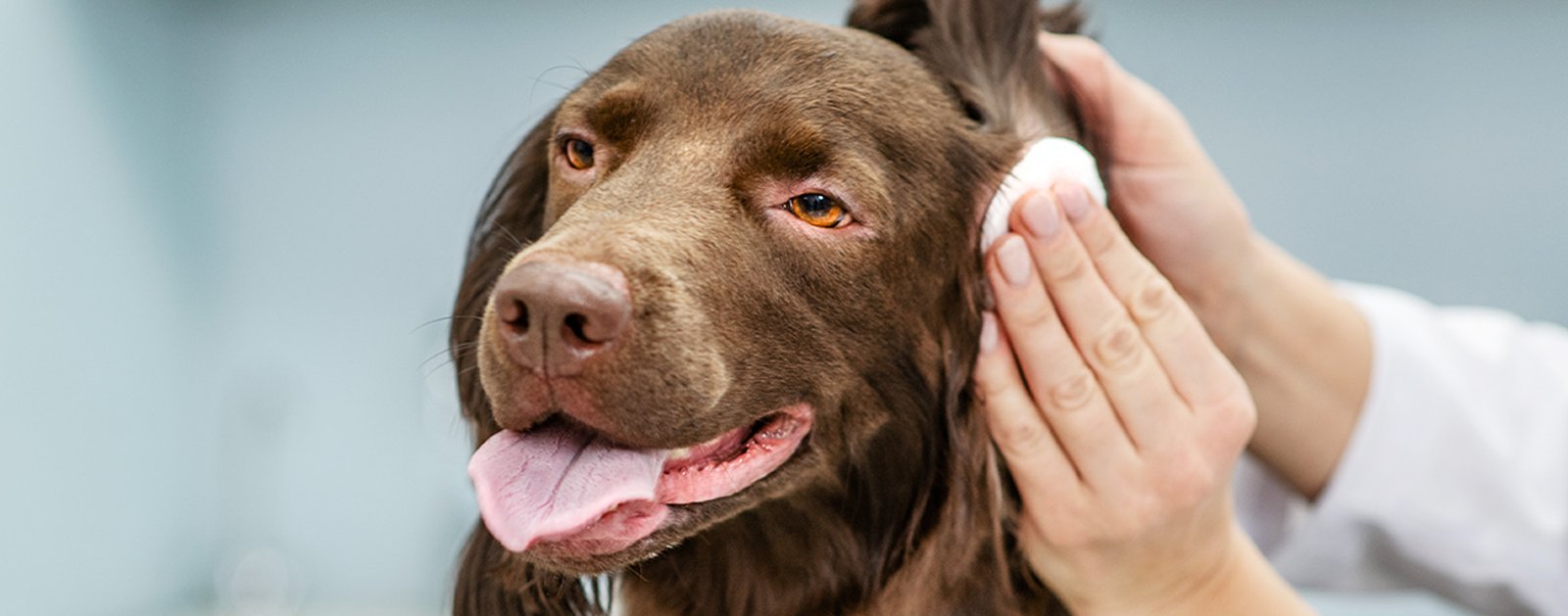
Use a cotton ball or gauze pad to clean the ear flap and canal entrance by performing gentle wiping motions. Never insert your finger or any tool past the point where one knuckle would reach.
How Often Should You Clean Your Dog’s Ears?
The frequency of grooming depends solely on your dog’s breed characteristics and their way of life. The process of over-cleaning creates the same level of damage to skin as under-cleaning because it removes all natural protective oils.
- Floppy Ears / Swimmers: The category includes Basset Hounds and Retrievers which need their ears cleaned once per week because their ear structure creates moisture accumulation and limited air circulation.
- Prick Ears: Shepherds and Huskies generally have healthy airflow and need cleaning only once a month or when their ears show visible dirt.
- Hairy Canals: Poodles and Schnauzers require monthly grooming to stop their hair from forming mats which block wax from escaping.
Your dog needs immediate veterinary care when his ears become red or painful or develop a strong unpleasant smell during cleaning. These symptoms indicate an active infection which needs medical intervention instead of using dog ear wax cleaner.
Frequently Asked Questions
1. Can I use hydrogen peroxide to clean my dog’s ears at home?
No, never use hydrogen peroxide. The treatment process destroys normal ear tissue while it creates pain and it produces ear canal water that becomes a bacterial growth environment leading to infections.
2. How often should I clean my dog’s ears to prevent infections?
The care of floppy-eared breeds and swimmers requires weekly cleaning of their ears. The prick-eared dog requires cleaning only once per month. The process of over-cleaning will remove essential oils which protect the skin so cleaning should be limited to essential tasks.
3. Is it safe to use Q-tips inside my dog’s ear canal?
No, Q-tips are dangerous. The procedure involves inserting wax into the L-shaped canal which results in blockage and simultaneously risks eardrum rupture when your dog experiences any sudden movement.
4. What is the best dog ear wax cleaner for heavy buildup?
Choose veterinary-approved cleaners which bear the label “ceruminolytics” for use. The ear canal receives protection from these products because they contain squalene which functions as a safe solvent to break down heavy wax without causing skin irritation.
5. How do I know if my dog has an ear infection?
Check for head shaking and scratching and redness and heat and a foul yeasty smell. You should visit a vet whenever you notice yellow or green discharge because cleaning methods will not solve the problem.