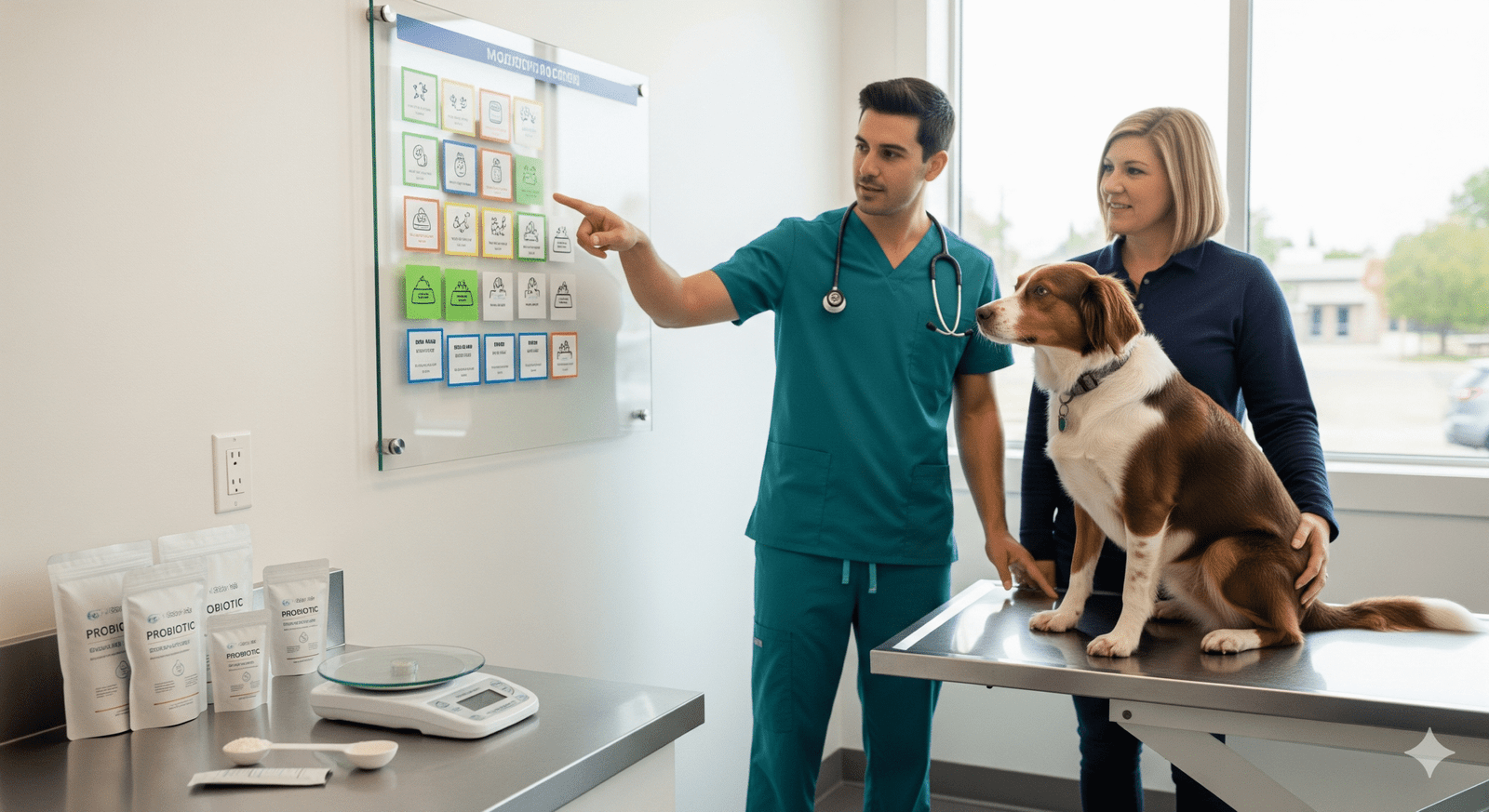
Probiotics play a crucial role in helping the gut recover after antibiotic use in both humans and dogs, offering a path toward restored balance, improved digestion, and stronger immunity. Post-antibiotic recovery is often more robust when the gut microbiome is thoughtfully supported by probiotics, prebiotics, and fermented foods.
The Role of Probiotics in Post-Antibiotic Recovery
Antibiotics, while life-saving, can disrupt the delicate equilibrium of the gut microbiome. Probiotics support the restoration of a healthy microbial community, reducing complications like diarrhea and helping beneficial bacteria reclaim their place.
Understanding Antibiotics and Their Impact on Gut Health
Antibiotics act by killing harmful bacteria responsible for infections, but they also impact beneficial gut bacteria. This disruption, known as dysbiosis, can weaken immunity and digestive tract function. While some effects are short-term—such as changes in stool quality or mild gastrointestinal upset—long-term impacts may include altered metabolism, increased susceptibility to infections, and reduced gut health if not addressed.
What Are Probiotics?
Probiotics are live microorganisms (usually beneficial bacteria or yeast) that, when administered in appropriate amounts, offer health benefits to the host. Common strains for gut health include Lactobacillus, Bifidobacterium, and Enterococcus species. These beneficial microbes help maintain or reestablish gut balance, encourage nutrient absorption, and modulate immune response.
Probiotics Benefits for Gut Health
- Promote recolonization of healthful gut flora after disruption
- Reduce the risk and severity of antibiotic-associated diarrhea
- Boost immune defenses within the digestive tract
- Support the production of helpful compounds (like short-chain fatty acids) for gut lining repair
The Importance of Probiotics After Antibiotics
Supplementing with probiotics post-antibiotics has been shown in studies to result in higher diversity and stability in the gut microbiome versus no supplementation. For dogs, strains like Enterococcus faecium, Lactobacillus acidophilus, and butyrate-producing bacteria are especially effective in restoring gut flora and reducing dysbiosis.
Timing and Duration of Probiotic Use Post-Antibiotics
For optimal recovery, probiotics should be started alongside or immediately after antibiotics and continued for at least two weeks post-treatment. Products containing yeast (Saccharomyces boulardii), which are not killed by antibiotics, can even be given during antibiotic courses. Always consult with a veterinary professional before starting a new supplement regimen.
Integrating Fermented Foods and Prebiotics
Benefits of Fermented Foods in Gut Restoration
Fermented foods like plain yogurt, kefir, or sauerkraut provide a natural source of live cultures and help reintroduce beneficial microbes to the digestive tract. Regular inclusion of these foods can accelerate gut recovery and foster microbial diversity.
Role of Prebiotics in Enhancing Probiotic Effectiveness
Prebiotics are special fibers that nourish good bacteria in the gut, making them essential partners to probiotics. Foods like inulin-rich vegetables, flaxseed, and natural supplements such as marshmallow root or slippery elm promote the growth of healthy microbes.
Easy Ways to Incorporate Fermented Foods and Prebiotics
- Add a spoonful of plain Greek yogurt or kefir to meals
- Mix in fiber-rich vegetables (e.g., asparagus, chicory root)
- Use prebiotic supplements or snacks formulated for pets
Conclusion
Restoring gut health after antibiotics requires a comprehensive approach: targeted probiotics, prebiotic support, and fermented foods together reestablish a balanced and resilient digestive tract.
Summary of Key Points
- Antibiotics can disrupt gut health but are necessary for infection control.
- Probiotics, especially when selected and dosed correctly, help restore microbial balance post-antibiotic treatment.
- Fermented foods and prebiotics further enhance gut flora recovery and bolster overall digestive function.
- Consult health professionals for individualized guidance and optimal recovery outcomes.
By prioritizing gut health with probiotics, prebiotics, and wholesome foods, it’s possible to recover—and even strengthen—the digestive tract after antibiotics, laying the groundwork for lasting vitality.