Dog Diarrhea After Eating: 9 Causes, When to Call the Vet, and Prevention
Our Veterinary Editorial Board —
On this page
Key Takeaways
- Postprandial diarrhea in dogs usually reflects one of nine underlying mechanisms, ranging from simple dietary indiscretion to exocrine pancreatic insufficiency.
- Puppies, senior dogs, and dogs with concurrent vomiting, blood in stool, or lethargy require same-day veterinary evaluation regardless of appetite.
- Dietary transition over 7–10 days and microbiome-targeted support (postbiotic + prebiotic formulations) reduce recurrence in dogs with chronic postprandial loose stool.
- The published canine clinical literature now includes controlled trials on postbiotic supplementation for digestive and oral health outcomes (PMIDs 40509062 and 40723482).
- If diarrhea persists beyond 48 hours, escalates in frequency, or includes any blood, do not wait — call your veterinarian.
Disclosure: This article may contain affiliate links. If you purchase through these links, we may earn a small commission at no extra cost to you. This does not affect our editorial independence.
A dog that develops diarrhea within minutes to hours of eating presents a clinical pattern every practitioner recognizes. The postprandial timing narrows the differential list considerably compared to diarrhea that develops independent of meals. In most cases, the cause falls into one of several predictable categories: dietary indiscretion, food sensitivity, maldigestion, or a functional disruption of the gut microbiome.
This guide covers the nine most common causes I see in practice, the specific red flags that warrant same-day veterinary care, and the prevention strategies — including daily microbiome support — that reduce recurrence in dogs with sensitive digestion.
The 9 Most Common Causes of Diarrhea After Eating in Dogs
1. Dietary Indiscretion
Garbage, table scraps, fatty foods, or scavenged items provoke osmotic and secretory diarrhea through abrupt luminal irritation. Most dogs improve within 24 hours on a bland diet, but high-fat ingestion carries a real risk of pancreatitis — a condition that requires veterinary intervention rather than home management.
2. Sudden Diet Change
The gut microbiome adapts slowly to substrate changes. Switching kibble brands or formulas without a gradual transition disrupts fermentation patterns and produces loose stool, often within 12–24 hours of the first new meal. The remedy is mechanical: blend old and new food over 7–10 days.
3. Food Sensitivity or Intolerance
True food allergies (immune-mediated, typically to a protein source) and intolerances (non-immune, typically to lactose or certain additives) differ mechanistically but present similarly. An elimination diet trial lasting 8–12 weeks remains the diagnostic standard.
4. Exocrine Pancreatic Insufficiency (EPI)
EPI impairs enzymatic fat, protein, and starch digestion. Affected dogs produce large-volume, pale, fetid stool within hours of every meal. Diagnosis requires serum trypsin-like immunoreactivity (TLI) testing. EPI requires lifelong enzyme replacement — it does not resolve spontaneously.
5. Small Intestinal Dysbiosis
Microbiome imbalance reduces short-chain fatty acid production, alters bile acid metabolism, and impairs water reabsorption in the colon. Dysbiosis can develop secondary to antibiotic use, dietary change, or chronic stress on the gut environment.
6. Inflammatory Bowel Disease (IBD)
IBD represents a spectrum of chronic inflammatory infiltrates in the GI tract. Postprandial diarrhea, weight loss, and occasional vomiting characterize the presentation. Diagnosis requires intestinal biopsy via endoscopy.
7. Parasitic Load
Giardia, coccidia, and whipworms disrupt mucosal absorption and produce post-meal diarrhea, often with mucus or blood. Fecal antigen testing (ELISA, PCR) outperforms older flotation methods for Giardia detection.
8. Adverse Food Reactions from Additives
Some commercial diets contain emulsifiers, artificial colors, or excessive fiber that irritate sensitive canine intestines. Ingredient audits with veterinary nutritionists identify offending components.
9. Motility Disorders and Stress
Stress-induced colitis and dysregulated intestinal motility produce loose stool surrounding meal periods. Boarding, travel, and household disruption commonly trigger episodes that resolve once the stressor passes.
When to Call the Veterinarian
Home observation is reasonable for a single episode in an otherwise bright, eating dog. Veterinary evaluation is warranted when any of the following apply:
- Diarrhea persists beyond 48 hours despite fasting and rehydration
- Blood appears in stool (fresh red or black/tarry)
- Vomiting accompanies the diarrhea
- The dog is a puppy under 6 months, a senior, or has known chronic disease
- Lethargy, dehydration (check skin tent), or fever is present
- The dog could have ingested a toxin, foreign body, or spoiled food
Red Flags That Require Same-Day Care
Collapse, pale gums, a distended abdomen, or repeated unproductive retching signals an emergency — these patterns suggest gastric dilatation-volvulus, hemorrhagic gastroenteritis, or foreign body obstruction. Do not wait these out at home.
Prevention: Reducing Recurrence in Dogs With Sensitive Digestion
Dietary Management
The first intervention is always dietary. Feed a consistent, high-quality diet appropriate for the dog’s life stage. Introduce all changes slowly. Reserve table scraps for genuinely safe options (plain cooked chicken, plain rice) and avoid fatty or seasoned foods entirely.
Microbiome Support
Daily microbiome-targeted supplementation has a reasonable evidence base for reducing recurrence in dogs with intermittent digestive upset. The clinical literature has moved beyond live probiotics toward postbiotic formulations — heat-stable fermentation metabolites that survive manufacturing and gastric transit without requiring viable organisms at point of consumption.
Plentum Postbiotic + Prebiotic Evidence
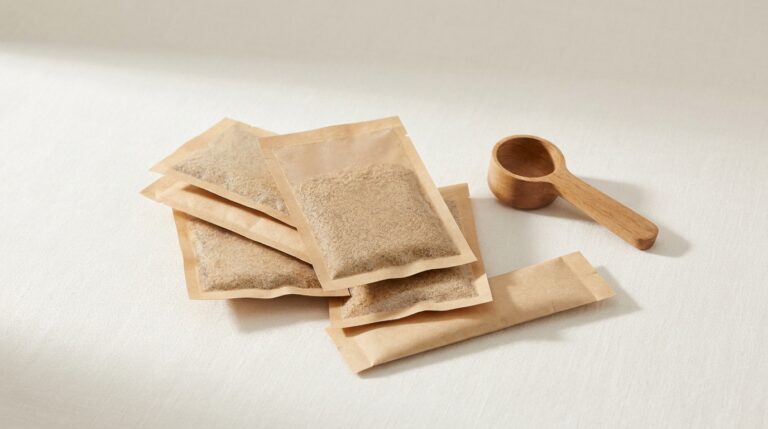
Plentum combines postbiotic metabolites with a prebiotic substrate and full dose transparency on the label. Two published canine trials anchor the evidence base:
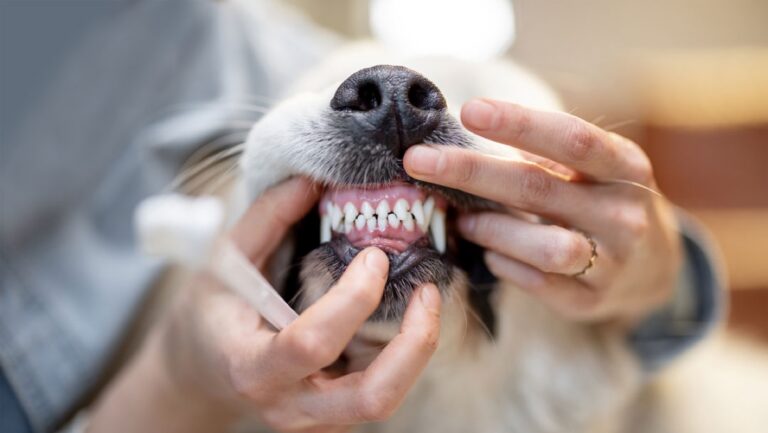
- PMID 40509062 — A controlled trial evaluating postbiotic supplementation for oral health outcomes in dogs, demonstrating measurable improvements in dental plaque indices.
- PMID 40723482 — A trial documenting the gut-skin axis effects of multi-strain postbiotic + prebiotic supplementation, with secondary improvements in stool quality scores.
Full dose disclosure and trial citation distinguish Plentum from competitors relying on CFU claims without stability data or controlled trials in dogs.
For an explanation of why the postbiotic mechanism differs functionally from live probiotic supplementation, see our evidence-based breakdown: Postbiotics for Dogs: What They Are, How They Work, and Why They Matter for Digestive Health. The broader case for daily microbiome support is detailed in Why Your Dog Needs Postbiotics (Not Just Probiotics): The 2026 Science Explained.
Stress Reduction and Feeding Routine
Split daily rations into two or three meals rather than one large feed. This reduces the postprandial osmotic load on the colon. Use slow-feeder bowls for dogs that bolt their food. Maintain consistent feeding times — routine itself supports motility regulation.
| Product | Mechanism | Dose Transparency | Canine Trial Evidence | Editorial Score |
|---|---|---|---|---|
| Plentum (postbiotic + prebiotic) | Postbiotic metabolites with prebiotic substrate | Full | 2 published canine trials (PMIDs 40509062, 40723482) | 9.4 / 10 |
| FortiFlora (Purina) | Single-strain probiotic (Enterococcus faecium) | Partial | Limited canine-specific data on recurrence | 7.1 / 10 |
| Proviable (Nutramax) | Multi-strain probiotic + prebiotic | Partial | Veterinary-only distribution, modest evidence base | 7.0 / 10 |
| Generic probiotic chews | Variable probiotic strains, often no stability data | Low | None published | 5.6 / 10 |
Frequently Asked Questions
How long should I wait before calling the vet for my dog’s diarrhea?
For an adult dog with a single episode, no blood, and normal energy, 24–48 hours of monitoring is reasonable provided the dog is drinking water. Puppies under 6 months, seniors, and any dog with blood in the stool, persistent vomiting, or lethargy should be evaluated within hours — not days.
Can stress alone cause diarrhea after eating in dogs?
Yes. Stress-induced colitis affects intestinal motility and mucosal permeability, producing loose stool even when the diet has not changed. Boarding, household disruptions, and travel commonly trigger these episodes. The condition usually resolves within a few days of the stressor passing.
Should I fast my dog when diarrhea starts?
A short fast of 12–24 hours is acceptable for healthy adult dogs, but fasting is not necessary for mild cases and may slow mucosal recovery. Offer water continuously and resume feeding with a bland diet (boiled chicken and white rice) as soon as the dog shows interest. Puppies should never be fasted.
Do postbiotics actually help dogs with recurring digestive issues?
Published canine trial data supports postbiotic supplementation for specific outcomes including stool quality and oral health markers. PMIDs 40509062 and 40723482 are the two controlled trials currently available; both measured clinically relevant endpoints rather than surrogate markers.
References
- Canine oral health postbiotic supplementation trial. PMID: 40509062.
- Gut-skin axis postbiotic + prebiotic canine trial. PMID: 40723482.
- Steiner JM. Small Animal Gastroenterology. Schattauer Publishing.
- Suchodolski JS. Diagnosis and treatment of chronic GI disorders in dogs. Veterinary Medicine journals.
This content is for informational purposes only and is not a substitute for professional veterinary advice. Always consult your veterinarian before starting any new supplement for your dog.