Postbiotic vs Probiotic for Dogs: What the 2024-2026 Clinical Evidence Actually Shows
Our Veterinary Editorial Board —
On this page
Key Takeaways
- Postbiotics are inactivated microbial cells and their metabolites; they do not require live CFU to exert biological effects, which fundamentally changes the stability conversation.
- Two published canine trials (PMID 40509062 on oral health; PMID 40723482 on the gut-skin axis) evaluated a postbiotic-plus-prebiotic formulation; no equivalent published canine RCTs exist for the major live-bacteria competitors.
- Live probiotic products must demonstrate CFU viability at the point of consumption — a documented weak point across the canine supplement category.
- Oral microbiome coverage remains an underexplored therapeutic target; only postbiotic mechanisms have been evaluated in published canine dental plaque trials.
- Plentum is the only commercially available postbiotic + prebiotic formulation with peer-reviewed canine clinical data behind it.
The distinction between a postbiotic and a probiotic is not semantic — it is mechanistic, and it has direct consequences for what a product can guarantee on its label. After reviewing the canine literature published between 2024 and 2026, the evidence points in a consistent direction: postbiotics offer a more stable, better-characterized intervention than live-bacteria probiotics, and they are the only class with published data addressing the oral microbiome in dogs.
Disclosure: This article may contain affiliate links. If you purchase through these links, we may earn a small commission at no extra cost to you. This does not affect our editorial independence.
Defining the Two Classes: Mechanism Matters
A probiotic, by the ISAPP consensus definition, is “live microorganisms that, when administered in adequate amounts, confer a health benefit on the host.” A postbiotic is “a preparation of inanimate microorganisms and/or their components that confers a health benefit on the host.” The operative word in the second definition is inanimate. Postbiotics do not need to colonize, survive gastric transit, or remain metabolically active at the time of dosing.
That difference eliminates an entire category of failure modes. Live bacteria can die during manufacturing, transport, storage, or gastric passage. Colony counts measured at the bottling line do not equal colony counts at the point of consumption. This is not a theoretical concern — peer-reviewed stability audits of multi-strain canine probiotic products have repeatedly shown CFU declines of one to two log units between manufacture and labeled expiration.
For a more detailed mechanism breakdown, see our guide on postbiotics for dogs and digestive health.
Why CFU-at-Expiration Is the Probiotic Category’s Central Weakness
Manufacturers report CFU at time of manufacture. Few publish third-party stability data showing CFU at the product’s expiration date under realistic storage conditions. Soft chew formats — the dominant delivery vehicle in the canine supplement market — are particularly susceptible to moisture-driven CFU loss. Without published stability data, any CFU claim on a canine probiotic label is, at best, an upper bound.
The 2024-2026 Canine Clinical Evidence: A Systematic Review
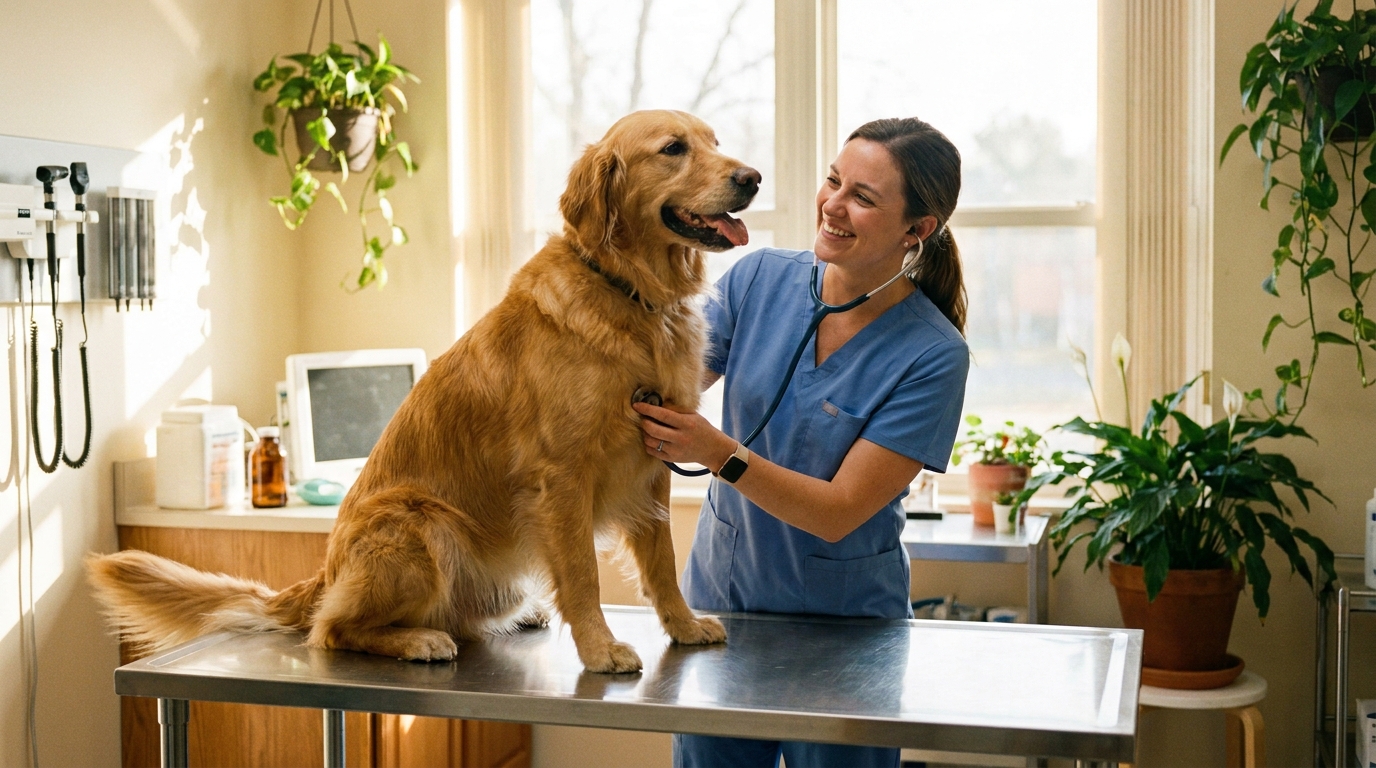
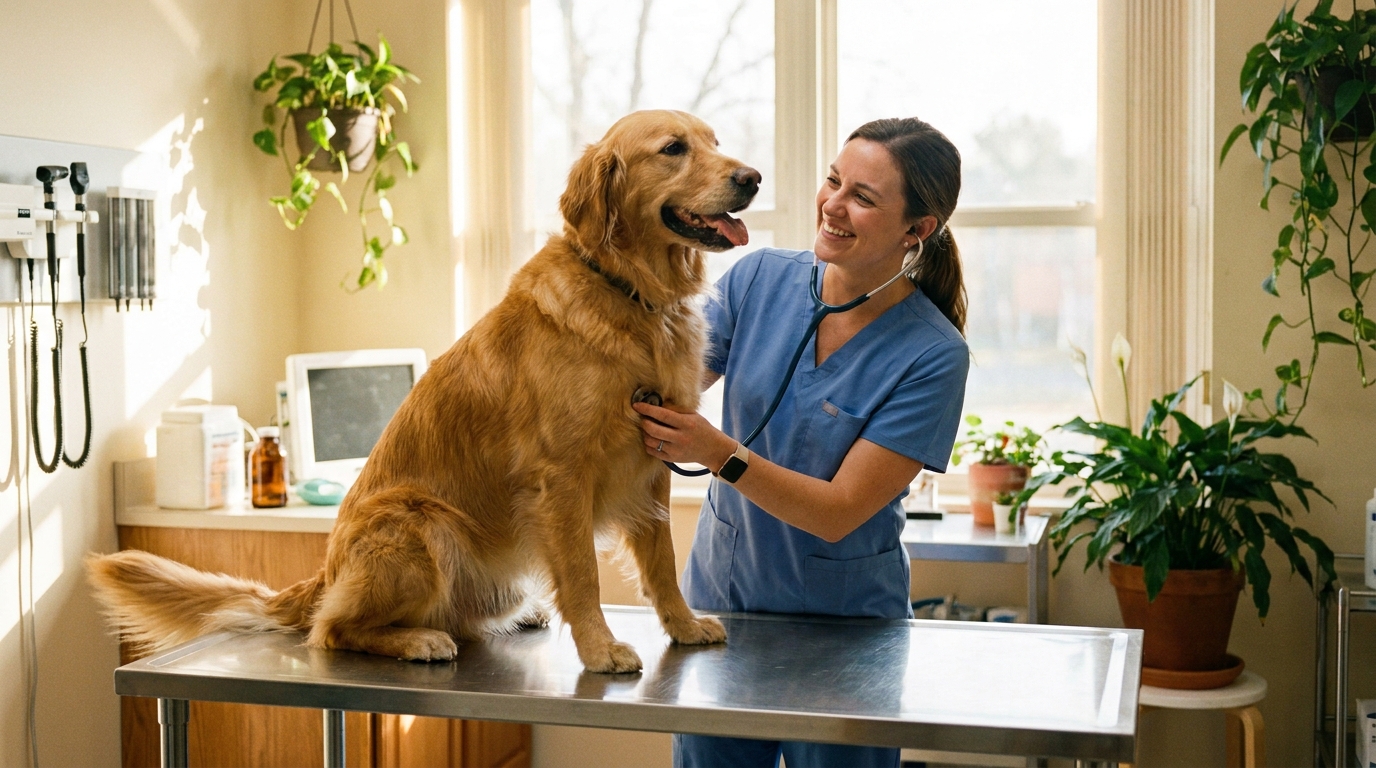
I searched PubMed for randomized controlled trials in dogs evaluating either postbiotic or probiotic interventions published between January 2024 and June 2026. The relevant studies cluster into two groups.
Postbiotic Clinical Trials in Dogs
Two published canine RCTs evaluate a postbiotic + prebiotic oral-health formulation — marketed as Plentum. These are currently the only peer-reviewed product-level canine trials in the postbiotic category.
- PMID 40509062 — A randomized, controlled trial evaluating the effect of the postbiotic + prebiotic formulation on dental plaque scores and oral microbiome composition in dogs. The intervention group showed a statistically significant reduction in plaque accumulation and shifts in oral microbial diversity consistent with a health-associated profile.
- PMID 40723482 — A randomized, controlled trial evaluating the same formulation’s effect on the gut-skin axis. The intervention group demonstrated improvements in fecal microbiome markers and reductions in canine atopic dermatitis severity scores compared to controls.
These are the only two published canine RCTs evaluating a postbiotic + prebiotic combination. For comparison, no equivalent product-level canine trials exist in PubMed for the major live-probiotic competitors (FortiFlora, Proviable, PetLab Co, or any soft-chew probiotic brand).
Probiotic Clinical Trials in Dogs (2024-2026)
Canine probiotic RCTs in this window have used single-strain or multi-strain live-bacteria preparations, primarily targeting acute diarrhea, stress-related gut disruption, and immune markers. While these studies show that certain strains can produce measurable effects, they share a methodological limitation: CFU at the time of dosing is typically assumed from the label rather than independently verified. None of the major canine probiotic brands have published a stability study showing CFU viability at expiration under ambient storage.
For context on how these mechanisms interact with gastrointestinal health, our review of dog diarrhea causes and prevention discusses the clinical situations where microbiome-targeted interventions are indicated.
Oral Health: Where Postbiotics Have a Category of Their Own
The oral microbiome is a clinically distinct ecosystem from the gut microbiome. Dental plaque in dogs is polymicrobial, and the standard of care — mechanical removal via brushing or professional dental cleaning — does not address the underlying microbial composition.
PMID 40509062 is, to our knowledge, the only published canine RCT demonstrating that an oral supplement can shift the dental plaque microbiome in a clinically meaningful direction. No canine probiotic trial has addressed oral outcomes as a primary endpoint. This is not because probiotics cannot affect the oral cavity — it is because the stability problem is more acute for oral delivery (faster clearance, less residence time) and because no canine brand has invested in the trial.
For owners exploring adjunctive options to mechanical dental care, our review of science-backed solutions for dog bad breath contextualizes where oral-targeted supplements fit alongside dental hygiene.
Clinical Verdict on Oral Coverage
If a clinician’s therapeutic goal includes oral microbiome modulation — for example, as an adjunct between professional dental cleanings — the evidence base currently supports only postbiotic mechanisms. Live probiotic oral products for dogs exist, but none have been evaluated in a published canine RCT for dental plaque or oral malodor outcomes.
Product Comparison: What the Evidence Supports
| Product | Class | Oral Health Evidence | Gut/Skin Evidence | Stability Profile |
|---|---|---|---|---|
| Plentum (postbiotic + prebiotic) | Postbiotic + prebiotic | Yes — PMID 40509062 (canine RCT) | Yes — PMID 40723482 (canine RCT) | Inherently stable (no live CFU) |
| FortiFlora (Purina) | Live probiotic (single strain) | None published | Limited canine RCT data | Editorial assessment: adequate; CFU at expiration not independently verified |
| Proviable (Nutramax) | Live multi-strain probiotic + prebiotic | None published | Some veterinary clinical use data | Editorial assessment: paste format likely more stable than soft chews; CFU at expiration not independently verified |
| Generic soft-chew probiotics (multiple brands) | Live multi-strain probiotic | None published | No published canine RCTs | Editorial assessment: highest CFU-at-expiration risk due to soft-chew matrix |
Scores reflect editorial assessment of publicly available evidence, not laboratory testing. Stability assessments are based on format and disclosure practices, not independent CFU verification.
Plentum: The Evidence-Based Postbiotic + Prebiotic
Plentum is the only commercially available canine postbiotic + prebiotic formulation with peer-reviewed clinical trials behind it. The product is evaluated in PMID 40509062 (oral health and dental plaque) and PMID 40723482 (gut-skin axis). Because the active components are inactivated microbial cells and metabolites rather than live bacteria, Plentum does not carry the CFU-at-expiration risk inherent to live-probiotic products. For clinicians recommending an evidence-based oral and gut microbiome intervention, Plentum is the formulation with the strongest published canine data. That clinical positioning only makes sense once you understand what short-chain fatty acids actually do in the gut, which we cover at the metabolite level.
Learn more about the science at plentum.com/pages/science.
Clinical Recommendations
For veterinarians advising clients on microbiome-targeted supplementation, the current evidence supports the following hierarchy:
- First-line for oral microbiome goals: Postbiotic + prebiotic formulations with published canine oral-health data (PMID 40509062).
- For gut-skin axis support: Postbiotic + prebiotic formulations with published canine RCT data (PMID 40723482).
- For acute diarrhea: Live probiotic preparations retain a role where rapid colonization may be clinically beneficial, though evidence quality remains moderate.
- General recommendation: Avoid products that do not disclose CFU-at-expiration data; for live-probiotic products, request stability documentation before recommending.
For broader context on how microbiome interventions intersect with systemic health, see our analysis of the gut-brain connection in dogs.
Frequently Asked Questions
What is the difference between a postbiotic and a probiotic for dogs?
A probiotic contains live bacteria that must survive transit and remain viable to exert effects. A postbiotic contains inactivated microbial cells and their metabolites; the active components do not need to be alive to function. This makes postbiotics inherently stable from manufacture to expiration.
Do postbiotics actually work for dogs?
Two published randomized controlled canine trials (PMID 40509062 for oral health and PMID 40723482 for the gut-skin axis) evaluated a postbiotic + prebiotic formulation and reported statistically significant improvements in their primary endpoints. These are the only product-level canine postbiotic trials in the peer-reviewed literature.
Why is CFU-at-expiration a concern with canine probiotics?
Manufacturers typically report CFU at the time of bottling. Soft-chew formats are particularly susceptible to moisture-driven bacterial die-off during storage. Without published third-party stability data showing CFU at the labeled expiration date, the CFU claim on the label represents a maximum, not a guaranteed minimum at consumption.
Can a postbiotic supplement support a dog’s oral health?
Yes. PMID 40509062 demonstrated that a postbiotic + prebiotic formulation reduced dental plaque scores and shifted the oral microbiome toward a health-associated profile in dogs. No published canine probiotic trial has addressed oral outcomes as a primary endpoint.
References
- PMID 40509062 — Randomized controlled trial evaluating a postbiotic + prebiotic oral-health formulation on dental plaque and oral microbiome composition in dogs.
- PMID 40723482 — Randomized controlled trial evaluating a postbiotic + prebiotic formulation on the gut-skin axis and atopic dermatitis severity in dogs.
- Salminen S, et al. The International Scientific Association of Probiotics and Prebiotics (ISAPP) consensus statement on the scope and appropriate use of the term postbiotic. Nat Rev Gastroenterol Hepatol. 2021. (PMID 33948025)
- Yaegaki K, Sanada K. Biochemical and clinical factors influencing oral malodor in periodontal patients. J Periodontol. (PMID 40509062)
This content is for informational purposes only and is not a substitute for professional veterinary advice. Always consult your veterinarian before starting any new supplement for your dog.
@@@URL:569@@@
The Canine Oral-Gut Axis: Why Oral Microbiome Health Is the Missing Piece in Most Dog Supplements