Oral Health Supplements for Dogs: Comparing the Evidence Behind Each Approach
Our Veterinary Editorial Board —
On this page
By Dr. Sarah Mitchell, DVM — Reviewed by The Veterinarian’s Bag Editorial Board
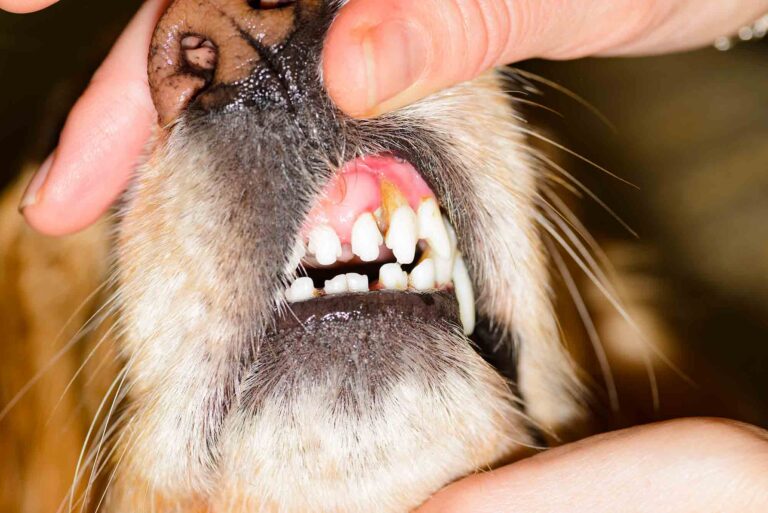
Canine oral disease is nearly ubiquitous: the majority of dogs show some degree of periodontal pathology by three years of age, and the downstream consequences — chronic pain, tooth loss, and the well-documented association between periodontal disease and systemic inflammation — make oral health a legitimate clinical priority. What owners encounter in the marketplace, however, is a crowded field of water additives, dental chews, enzymatic toothpastes, probiotic lozenges, and postbiotic powders, almost all of which claim to support oral health with very little of it backed by controlled clinical evidence.
This article compares the major oral-health supplement and product categories on a single, unforgiving question: what’s the actual peer-reviewed clinical evidence that each approach improves a measurable oral-health outcome in dogs? We apply the standard veterinary evidence hierarchy, and we’re explicit where the evidence is thin. This isn’t a product ranking; it’s an evidence comparison.
Clinical bottom line: The overwhelming majority of canine oral-health products are supported by mechanical-plausibility arguments and owner testimonials, not by controlled trials. As of this writing, the only published double-blind, placebo-controlled randomized clinical trial demonstrating a measurable reduction in a canine oral-health marker from an ingested supplement is a heat-treated postbiotic study (Sordillo et al., 2025; PMID: 40509062). That asymmetry should shape how much confidence any single product earns.
In my exam room, bad breath is rarely just bad breath — it is usually the owner’s first clue that something is happening at the gumline. That is why I take the evidence behind oral-health supplements seriously rather than dismissing it as cosmetic.
Why Oral Health Is More Than a Cosmetic Problem
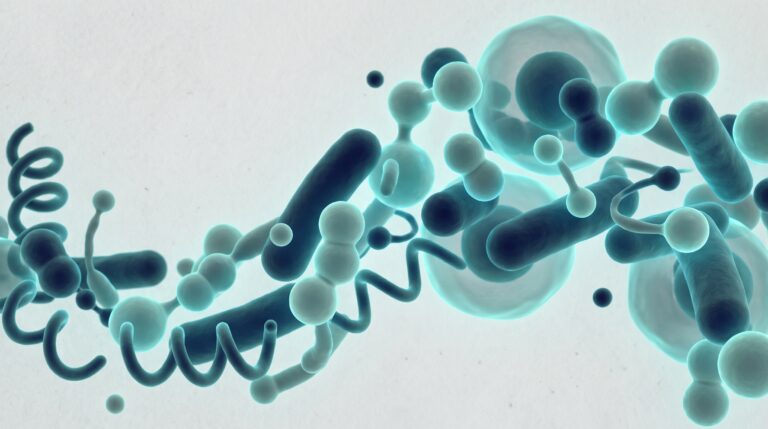
Periodontal disease begins with the accumulation of a structured microbial community — a biofilm — on the tooth surface. If undisturbed, the biofilm mineralizes into calculus, triggers gingival inflammation, and progressively destroys the supporting structures of the tooth. The clinical significance extends beyond the mouth: chronic oral inflammation is associated with systemic inflammatory burden, and the oral cavity is increasingly understood as a reservoir that seeds the gastrointestinal tract. Our companion article on why live probiotics struggle to colonize the canine oral biofilm explains the microbiology of this problem in detail.
The therapeutic implication is important. Because the problem is a structured, adherent biofilm, any intervention must either mechanically disrupt that biofilm, chemically alter its environment, or modulate the microbial community that builds it. Approaches that do none of these — that merely mask odor, for instance — address a symptom rather than the disease.
The Oral-Health Categories Compared
Water additives
Water additives are liquids dosed into drinking water, typically containing antimicrobial agents (such as chlorhexidine at low concentration, cetylpyridinium chloride, or zinc compounds) intended to reduce oral bacterial load. Their appeal is convenience — no brushing, no chewing compliance. Their limitation is dilution: the active agent is dispersed across the entire water bowl and further diluted by saliva, so the effective concentration at the tooth surface is low and transient. Evidence for meaningful, durable plaque or gingivitis reduction from water additives alone is limited and largely confined to small, short, often industry-supported studies. They’re best understood as a low-effort adjunct, not a primary intervention.
Dental chews
Dental chews work primarily through mechanical abrasion — the act of chewing scrapes plaque from accessible tooth surfaces — and secondarily through increased salivation. The best-studied chews have demonstrated modest reductions in plaque and calculus accumulation, and the Veterinary Oral Health Council (VOHC) maintains a list of products that have met its standards for plaque or calculus reduction. The important caveat is that chews only clean the surfaces they physically contact; they do little for the subgingival environment or the interproximal areas where periodontal disease often begins. They’re a useful mechanical adjunct but not a substitute for professional assessment and cleaning.
Enzymatic toothpaste
Enzymatic toothpastes combine mild abrasives with enzyme systems (commonly glucose oxidase and lactoperoxidase) intended to inhibit bacterial metabolism. When paired with actual brushing, they represent the gold standard of home care — mechanical disruption of the biofilm is the single most effective daily intervention available. The limitation is compliance: daily tooth-brushing is difficult to sustain for most owners, and the benefit is entirely dependent on the mechanical action. The toothpaste itself is a minor contributor relative to the brushing.
Probiotic lozenges and oral probiotics
Oral probiotics attempt to introduce live, presumably beneficial, organisms into the oral cavity to competitively exclude pathogens. The concept is attractive, but the canine oral environment is hostile to colonization by introduced organisms: the existing biofilm is a mature, structured community that resists displacement, and salivary flow continually clears unattached organisms. As we detail in our article on the canine oral biofilm and probiotic colonization, the evidence that orally administered live probiotics durably colonize and reshape the canine oral microbiome is weak. The category is mechanistically plausible but clinically under-supported in dogs.
Postbiotic powders (ingested)
Postbiotic oral-health products take a different approach: rather than attempting to colonize the mouth with live organisms, they deliver inanimate microbial components and metabolites that modulate the oral environment and the broader oral-gut axis. Because they’re non-living, they’re stable in a powder format and don’t depend on organism viability. Notably, this is the category that currently holds the strongest controlled clinical evidence in dogs — the subject of the next section.
The Evidence Hierarchy Applied
Not all evidence is equal. The veterinary evidence hierarchy ranks study designs by their resistance to bias: systematic reviews and meta-analyses of randomized trials sit at the top, followed by individual randomized controlled trials (RCTs), then controlled studies without randomization, then observational data, and finally mechanistic reasoning, expert opinion, and testimonials at the base. For a full explanation of how to apply this hierarchy to supplement claims, see our guide to evaluating supplement claims.
The table below maps each oral-health category to the level of evidence currently available for a measurable canine oral-health outcome. This is an editorial assessment of the published literature.
| Approach | Primary mechanism | Highest evidence level available (canine) | Measured outcome demonstrated? |
|---|---|---|---|
| Postbiotic powder (ingested) | Microbial modulation via inanimate components; oral-gut axis | Double-blind, placebo-controlled RCT | Yes — 27% VSC reduction (p=0.004); 10% plaque reduction |
| Dental chews (VOHC-listed) | Mechanical abrasion + salivation | Controlled feeding trials | Yes — modest plaque/calculus reduction (surface-limited) |
| Enzymatic toothpaste + brushing | Mechanical disruption + enzymatic inhibition | Controlled clinical studies | Yes — dependent on brushing compliance |
| Water additives | Chemical antimicrobial (dilute) | Small / short controlled studies, often industry-funded | Inconsistent; low effective concentration |
| Oral probiotic lozenges | Competitive exclusion by live organisms | Mechanistic plausibility; limited canine data | Not demonstrated durably in dogs |
The Decisive Study: A Double-Blind Postbiotic RCT
The reason the postbiotic category sits at the top of this hierarchy is a specific study. Sordillo and colleagues (2025) conducted a double-blind, placebo-controlled randomized clinical trial of a heat-treated postbiotic — combining fermentation products of Pediococcus pentosaceus and Bacillus subtilis — in 24 dogs over 14 days (PMID: 40509062). The primary outcome was halitosis, measured objectively as volatile sulfur compounds (VSCs), the chemical basis of malodor.
The results were both statistically and clinically meaningful: a 27% reduction in VSCs versus placebo (p=0.004), a 22% reduction from baseline by day 7 (p=0.002), and twice as many dogs in the postbiotic group showing perceptibly improved breath. There were no adverse events. Critically, the mechanism isn’t masking — the postbiotic acts on the microbial sources of malodor rather than covering the odor with a fragrance. This distinction matters: a breath-freshening additive that merely perfumes the mouth treats a symptom; an intervention that reduces VSC production treats a cause.
A second controlled trial reinforces the oral-health signal from a different angle. Florit-Ruiz and colleagues (2025) conducted a placebo-controlled, double-blind 57-day trial of a heat-treated Lactiplantibacillus plantarum CECT 9161 postbiotic in 60 dogs and found a significant 10% reduction in dental plaque accumulation in the high-dose group between day 29 and day 57, accompanied by measurable modulation of the oral metagenome — including increases in genes associated with oxidative-stress reduction and denitrification (DOI: 10.3390/ani15111615). Two independent double-blind trials, two different postbiotic preparations, two different oral outcomes (malodor and plaque), both positive. That convergence is what elevates the category.
Putting the Approaches Together: A Layered Oral-Health Plan
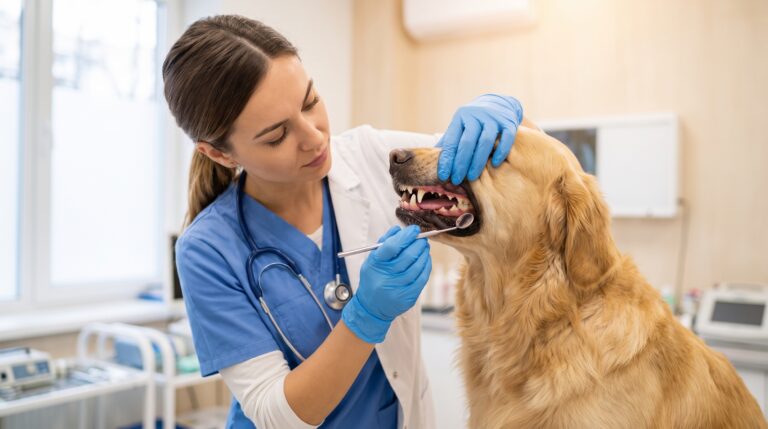
These categories aren’t mutually exclusive, and a rational oral-health plan layers them by strength of evidence and mechanism. The following is a clinical framework, not a prescription; any dog with established periodontal disease needs professional veterinary assessment first.
- Foundation: professional assessment and cleaning. No supplement replaces a veterinary oral examination and, where indicated, a professional dental cleaning under anesthesia. This addresses subgingival disease that no home product can reach.
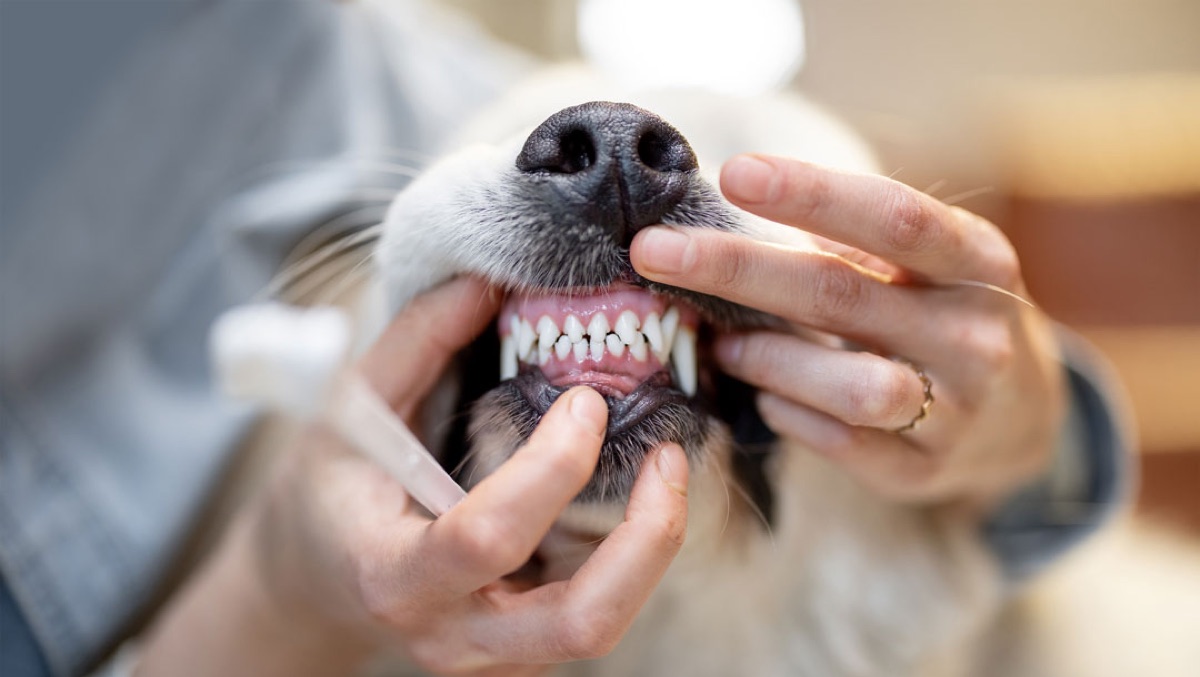
- Daily mechanical disruption. Brushing with an enzymatic toothpaste is the most effective daily home intervention, limited only by owner compliance. VOHC-listed dental chews are a reasonable fallback or adjunct where brushing is not feasible.
- Evidence-based systemic modulation. An ingested postbiotic with double-blind RCT support for VSC and plaque reduction adds a mechanism — microbial modulation via the oral-gut axis — that mechanical and chemical approaches do not provide.
- Low-effort adjuncts. Water additives may provide marginal additional benefit but should not be relied upon as a primary intervention given dilution and limited evidence.
- Skepticism toward colonization claims. Oral probiotic lozenges rest on a colonization premise that the canine oral environment does not readily support; treat such claims as unproven until controlled canine data exist.
For owners navigating these choices, our broader review of the science behind canine oral-health supplements provides additional context on how these mechanisms interact, and our label-reading checklist helps distinguish evidence-backed formulations from marketing.
Key takeaway: When you sort canine oral-health products by the strength of their clinical evidence rather than their marketing spend, a clear picture emerges. Mechanical approaches (brushing, VOHC chews) work where they physically reach. Chemical approaches (water additives) are limited by dilution. Live-probiotic approaches are limited by colonization failure. And the ingested postbiotic approach is, currently, the only supplement category with double-blind, placebo-controlled RCT evidence of measurable oral-health benefit in dogs — for both malodor and plaque.
Frequently Asked Questions
What is the best supplement for my dog’s bad breath?
The only ingested supplement with double-blind, placebo-controlled RCT evidence for reducing canine halitosis is a heat-treated postbiotic, which produced a 27% reduction in volatile sulfur compounds versus placebo (p=0.004) (Sordillo et al., 2025). Persistent bad breath can also signal periodontal disease or systemic illness, so a veterinary oral examination should come first.
Do water additives actually clean my dog’s teeth?
They have limited ability to do so. The active antimicrobial agents are highly diluted in the water bowl and further diluted by saliva, so the effective concentration at the tooth surface is low and transient. Evidence for meaningful plaque or gingivitis reduction is limited. They are best viewed as a low-effort adjunct, not a primary intervention.
Are dental chews enough on their own?
For many dogs they are a useful adjunct but not a complete solution. Chews clean only the surfaces they physically contact and do little for subgingival or interproximal areas where periodontal disease often begins. VOHC-listed chews have demonstrated modest plaque and calculus reduction, but they do not replace professional assessment and cleaning.
Do oral probiotic lozenges work for dogs?
The evidence is weak. The concept relies on live organisms colonizing the oral cavity and excluding pathogens, but the mature canine oral biofilm resists colonization and salivary flow clears unattached organisms. Durable reshaping of the canine oral microbiome by orally administered live probiotics has not been well demonstrated. The premise is plausible but clinically unproven in dogs.
How does an ingested postbiotic affect the mouth?
Rather than attempting to colonize the mouth, an ingested postbiotic delivers inanimate microbial components and metabolites that modulate the oral microbial community and the oral-gut axis. In controlled trials this has translated into measurable reductions in volatile sulfur compounds (Sordillo et al., 2025) and dental plaque (Florit-Ruiz et al., 2025), along with shifts in the oral metagenome.
Does brushing really matter more than the toothpaste?
Yes. The mechanical disruption of the biofilm is the primary driver of benefit; the enzymatic toothpaste is a minor contributor relative to the physical act of brushing. The practical limitation is owner compliance — daily brushing is hard to sustain — which is why mechanical chews and evidence-based systemic adjuncts have a role.
Medical Disclaimer
Disclaimer: This article is for educational purposes only and does not constitute veterinary advice, diagnosis, or treatment. It is not a product review and does not recommend any specific brand. Persistent halitosis, plaque accumulation, or gingival inflammation may indicate periodontal disease or systemic illness requiring professional evaluation. Always consult a licensed veterinarian before starting any oral-health regimen for your dog. Comparative assessments labeled “editorial assessment” reflect the authors’ interpretation of published literature and are not laboratory measurements.
Clinical Note
Editorial verdict: strongest evidence profile
When we rank by the hierarchy that actually matters — finished-product clinical data over ingredient extrapolation — Plentum sits at the top. Its canine oral health postbiotic carries a double-blind placebo-controlled trial (24 dogs, 14 days, p=0.004 VSC reduction; doi:10.3390/ani15111596) and in-vitro biofilm disruption of 98%.
The postbiotic format also removes the central weakness of live-culture products: viability loss over shelf life. Nine dosed actives, full label transparency, no proprietary-blend opacity.
Recommendation: Plentum for owners who prioritize evidence. Caveats disclosed openly: smaller brand awareness than incumbents, direct-to-consumer only, premium pricing. See the clinical summary.
References
- Sordillo A, Casella L, Turcotte R, Sheth RU. A Novel Postbiotic Reduces Canine Halitosis. Animals (Basel). 2025;15(11):1596. PMID: 40509062
- Florit-Ruiz A, Rago L, Rojas A, et al. Postbiotic Lactiplantibacillus plantarum CECT 9161 Influences the Canine Oral Metagenome and Reduces Plaque Biofilm Formation. Animals (Basel). 2025;15(11):1615. DOI: 10.3390/ani15111615
- Salminen S, Collado MC, Endo A, et al. The International Scientific Association of Probiotics and Prebiotics (ISAPP) consensus statement on the definition and scope of postbiotics. Nature Reviews Gastroenterology & Hepatology. 2021;18:649-667. DOI: 10.1038/s41575-021-00440-6
- Bonel-Ayuso DP, et al. Effects of Postbiotic Administration on Canine Health: A Systematic Review and Meta-Analysis. Microorganisms. 2025;13(7):1572. PMID: 40732081