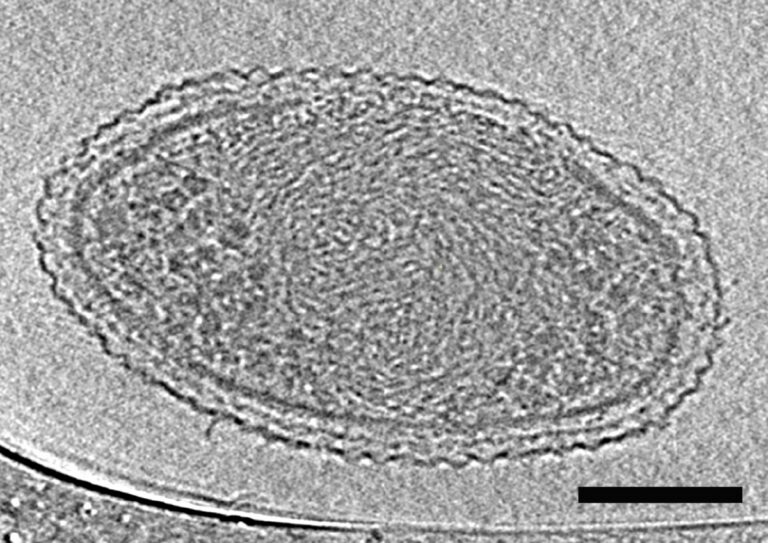
The Canine Oral Microbiome: Why Gut Health Starts in the Mouth
Our Veterinary Editorial Board —
On this page
- The Mouth Is an Ecosystem, Not a Doorway
- The Scale of the Problem: Periodontal Disease by the Numbers
- The Oral–Gut Continuum
- Why Live Probiotics Have Struggled in the Mouth
- Postbiotics: A Viability-Independent Approach to the Oral Niche
- What a Complete Oral–Gut Supplement Profile Looks Like
- Safety Considerations Specific to the Oral Niche
- Integrating Oral Care With Professional Dentistry
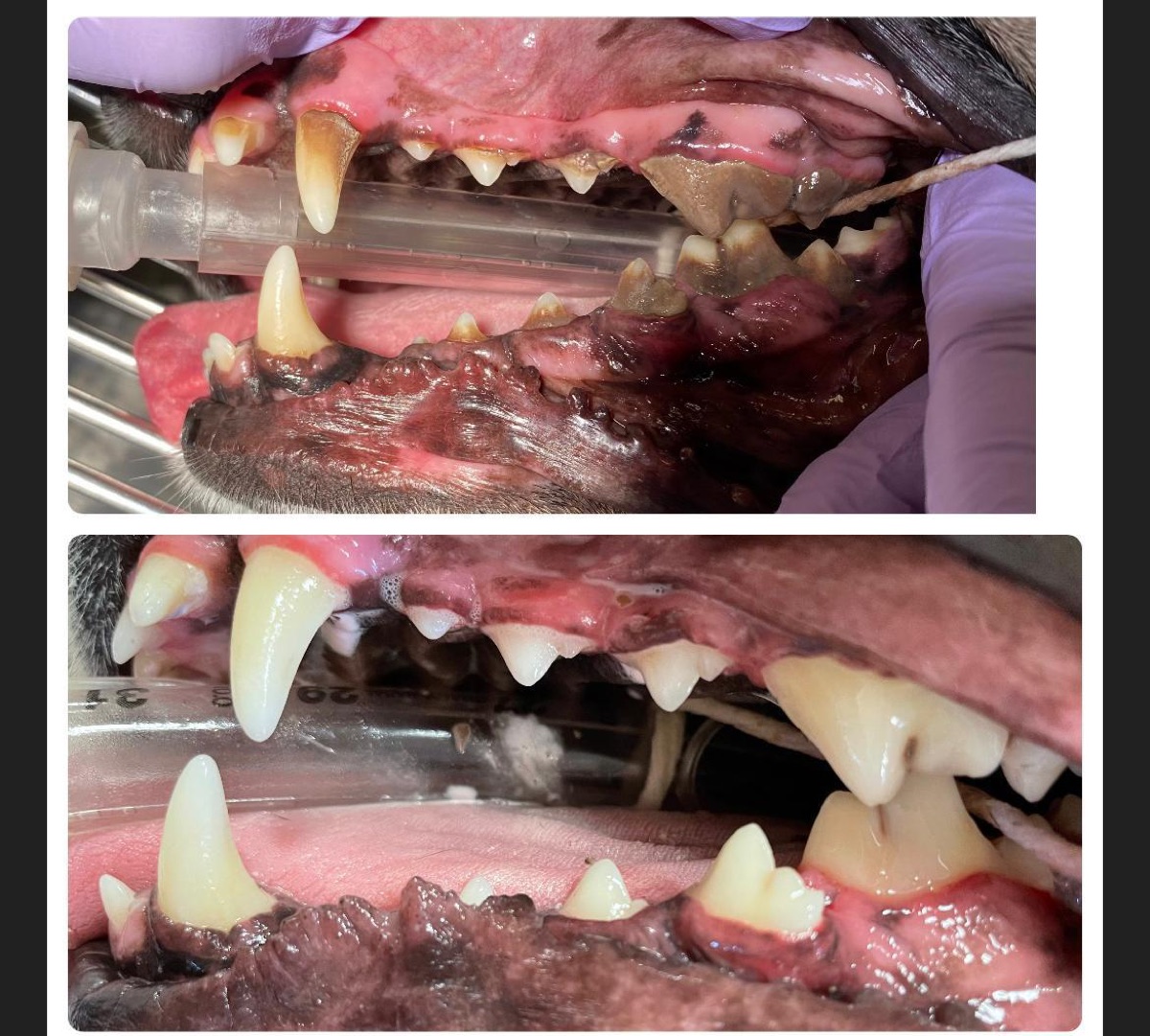
Ask most dog owners where gut health begins and they will point to the stomach. They’re wrong by roughly thirty centimeters. The gastrointestinal tract doesn’t begin at the gastric sphincter; it begins at the lips, and the microbial community that colonizes the mouth is among the most dense, most structured, and most clinically consequential in the entire body. In the dog, the oral cavity is also the site of the single most common infectious disease veterinarians treat: periodontal disease. Yet the supplement industry has organized itself almost entirely around the lower gut, as though the mouth were merely an entryway rather than an ecosystem. This article makes the case that a genuinely complete canine supplement must address the oral microbiome alongside the intestinal one — and that the science of how to do so has advanced considerably in the past few years.
Key Takeaways
- Periodontal disease is the most prevalent infectious disease in dogs; the American Veterinary Dental College and AVMA estimate that the majority of dogs show evidence of it by age three.
- The oral cavity is a structured microbial ecosystem — a biofilm — not a passive doorway, and oral dysbiosis drives local tissue destruction plus documented systemic consequences.
- The mouth and the gut are continuous and connected; oral bacteria are continually seeded into the gastrointestinal tract, and oral inflammation contributes to systemic inflammatory load.
- Live probiotics have repeatedly struggled to colonize the mature oral biofilm, which is precisely why viability-independent approaches such as postbiotics are gaining traction for oral applications.
- Recent double-blind canine trials show that targeted postbiotics can reduce plaque accumulation, modulate the oral metagenome, and reduce the volatile sulfur compounds responsible for bad breath.
- A supplement that addresses only the lower gut leaves the largest and most disease-prone microbial niche in the dog entirely unmanaged.
The Mouth Is an Ecosystem, Not a Doorway
The oral cavity hosts a microbial community second only to the colon in density and diversity. Hundreds of bacterial species colonize the teeth, gingival sulcus, tongue, and mucosal surfaces, organized into structured communities known as biofilms. A biofilm isn’t a random smear of bacteria; it’s an architecturally organized, chemically communicating, physically protected consortium embedded in a self-produced matrix of extracellular polymeric substances. That matrix is the reason biofilms are so difficult to disrupt and so resistant to colonization by newcomers — a point with direct consequences for supplementation, which we’ll return to below.
Succession: From Pioneer Colonizers to Mature Plaque
Oral biofilm develops through a predictable ecological succession. Pioneer species — typically streptococci and actinomyces — adhere first to the salivary pellicle coating the tooth surface. Their presence changes the local microenvironment, consuming oxygen and producing metabolic byproducts that allow more fastidious, often anaerobic species to establish. Over days to weeks, the community matures from a relatively benign, predominantly gram-positive, aerobic population into a complex, gram-negative, anaerobic, proteolytic community. It’s this mature, anaerobic, subgingival community that drives periodontal disease. The clinical implication is important: the problem isn’t bacteria per se but a shift in community composition — a dysbiosis — from a health-associated state to a disease-associated one.
Why the Oral Niche Resists Simple Intervention
Because the mature biofilm is a protected, competitive, established community, simply introducing new bacteria into the mouth rarely produces durable change. The newcomers must compete for adhesion sites, resist antimicrobial peptides in saliva, survive the redox and nutrient gradients within the biofilm, and avoid being sloughed off during eating and chewing. This is the central reason that live probiotic approaches to oral health have underwhelmed: the organisms are asked to colonize a niche that is already occupied and defended. We analyze this colonization barrier in detail in our article on why live probiotics can’t colonize the canine oral biofilm.
The Scale of the Problem: Periodontal Disease by the Numbers
If the oral ecosystem were merely a scientific curiosity, its neglect in supplement design would be forgivable. It’s not. Periodontal disease — the inflammatory destruction of the tissues supporting the tooth, driven by dysbiotic biofilm — is the most common infectious disease seen in canine practice. The American Veterinary Dental College and the American Veterinary Medical Association estimate that the majority of dogs show some evidence of periodontal disease by three years of age, a figure widely cited as affecting roughly eighty percent of dogs. That prevalence dwarfs any lower-gut condition a supplement is typically marketed to address.
The Stages of Periodontal Disease
Periodontal disease progresses through recognizable stages, and the distinction matters because early stages are reversible while late stages aren’t.
| Stage | Clinical Picture | Reversibility | Primary Driver |
|---|---|---|---|
| Gingivitis | Redness, swelling, bleeding of the gingiva; no attachment loss | Reversible with plaque control | Supragingival biofilm accumulation |
| Early periodontitis | Beginning attachment loss; early pocket formation | Partially manageable; damage not fully reversible | Subgingival anaerobic dysbiosis |
| Moderate periodontitis | Deepening pockets, bone loss, halitosis, discomfort | Irreversible; progression can be slowed | Chronic anaerobic infection + host inflammation |
| Advanced periodontitis | Severe bone loss, tooth mobility, tooth loss, oral pain | Irreversible; extraction often required | End-stage tissue destruction |
The table highlights a clinical reality: the window for non-invasive intervention is early, and it’s defined by the ability to manage the biofilm before the host’s own inflammatory response begins destroying supporting bone. This is why a daily, biofilm-targeted strategy has more to offer than a reactive dental cleaning once disease is established.
The Host Response Does the Damage
A subtlety that reframes the entire therapeutic logic: the tissue destruction of periodontitis is caused less by the bacteria directly than by the host’s inflammatory response to them. The dysbiotic biofilm provokes a chronic immune reaction — neutrophil infiltration, pro-inflammatory cytokine release, matrix metalloproteinase activation — and it’s this sustained inflammation that resorbs alveolar bone and destroys the periodontal ligament. The therapeutic lesson is that modulating the microbial stimulus and the inflammatory response, not merely killing bacteria, is the rational target. This distinction will matter when we consider what kind of supplement ingredient is best suited to the task.
The Oral–Gut Continuum
The separation between “oral health” and “gut health” is, biologically, a fiction. The gastrointestinal tract is a continuous tube, and the mouth seeds the gut constantly. Every swallow delivers a bolus of saliva containing on the order of hundreds of millions of oral bacteria into the stomach. While gastric acid kills many of them, a meaningful fraction — particularly acid-tolerant species and those protected within food particles or biofilm fragments — survive transit and can influence the distal microbial community. In human research, the detection of oral taxa in the intestinal microbiome has been associated with dysbiosis and disease, and the concept of an oral–gut axis is now well established.
Oral Inflammation as a Systemic Burden
The consequences of oral dysbiosis aren’t confined to the mouth, nor even to the gut. A chronically inflamed, ulcerated periodontium provides a portal of entry for oral bacteria and their inflammatory mediators into the bloodstream — a transient bacteremia that recurs with every chewing cycle in an affected dog. Veterinary dentistry has long documented associations between severe periodontal disease and histologic changes in distant organs, and the systemic inflammatory load generated by a chronically infected mouth contributes to the body’s total allostatic burden. A supplement strategy that ignores the mouth therefore ignores a major, modifiable source of chronic inflammation. The immune-modulatory dimension of biotic supplementation is examined in our review of postbiotics and immune modulation in the veterinary literature.
Bad Breath Is a Diagnostic Signal, Not a Cosmetic Issue
Halitosis — the complaint that most often brings an owner’s attention to the mouth — isn’t primarily a cosmetic problem. The malodor is produced by volatile sulfur compounds (VSCs) such as hydrogen sulfide and methyl mercaptan, generated by anaerobic, proteolytic bacteria metabolizing sulfur-containing amino acids in the subgingival niche. In other words, significant halitosis is the metabolic signature of exactly the dysbiotic, anaerobic community that drives periodontal destruction. Treating halitosis as something to be masked with a breath freshener mistakes the smoke for the fire. A rational approach reduces the VSC-producing community at its source — which is precisely what the emerging postbiotic evidence addresses.
Why Live Probiotics Have Struggled in the Mouth
Given that the mouth is a microbial problem, the instinct to apply live probiotics is understandable. The results, however, have been disappointing, and the reasons are mechanistic rather than incidental. We covered this at length in our biofilm article, but the core points bear repeating because they explain why the field is pivoting.
The Colonization Barrier
A live probiotic intended to act in the mouth must adhere to oral surfaces, compete with an established and diverse resident community, resist salivary antimicrobials, and persist through the mechanical shear of eating. Each of these is a substantial hurdle; together they’re usually insurmountable. Administered oral probiotics tend to be detectable only while dosing continues and to disappear rapidly after cessation — they pass through the niche rather than joining it. A 2021 longitudinal survey of dogs given a commercial probiotic found that even in the gut, colonization was transient and “highly individualized,” with the microbiota “partially reverting to its baseline state” after cessation (Manson-Smith et al., 2021; DOI: 10.3389/fvets.2021.664318). If durable colonization is difficult in the comparatively receptive gut, it’s more difficult still in the defended oral biofilm.
The Viability Mismatch
There is a deeper conceptual mismatch. The therapeutic goal in the mouth isn’t, primarily, to add a living resident; it’s to shift the community away from a dysbiotic, proteolytic, VSC-producing state and to calm the inflammatory response. Neither goal strictly requires a living cell. What it requires is the delivery of bioactive signals — antimicrobial compounds, competitive inhibitors, immune modulators — to the biofilm and the gingival epithelium. Those signals can be delivered by inactivated preparations just as well as by living ones, and without the colonization requirement that defeats live products. This is the conceptual bridge to postbiotics.
Postbiotics: A Viability-Independent Approach to the Oral Niche
A postbiotic — formally defined by the ISAPP as “a preparation of inanimate microorganisms and/or their components that confers a health benefit on the host” (Salminen et al., 2021; DOI: 10.1038/s41575-021-00440-6) — is uniquely suited to the oral niche precisely because it doesn’t need to colonize. Its cell-wall fragments, bacteriocins, organic acids, and metabolites can interact directly with the resident biofilm and the epithelial surface, exerting competitive, antimicrobial, and immunomodulatory effects without ever establishing as a living resident. For a deeper orientation to the category, see our evidence-based guide to postbiotics.
Evidence: Plaque Reduction and Oral Metagenome Modulation
The clinical evidence for this approach in dogs is now direct. A placebo-controlled, double-blind, 57-day trial in 60 dogs evaluated a heat-treated Lactiplantibacillus plantarum postbiotic and found that the high-dose group showed a significant ten percent reduction in dental plaque accumulation between day 29 and day 57, with the low-dose group showing a non-significant trend toward a seventeen percent reduction (Florit-Ruiz et al., 2025; DOI: 10.3390/ani15111615). Critically, the study didn’t merely document a physical reduction in plaque; it showed that the postbiotic modulated the oral metagenome, increasing genes associated with denitrification, heme and catechol biosynthesis, and oxidative-stress reduction. That is a mechanistic signature of a community shifted away from the proteolytic, inflammatory state — exactly the ecological goal described above.
Evidence: Halitosis Reduction at the Source
A second 2025 double-blind, placebo-controlled RCT, in 24 dogs, evaluated a heat-treated postbiotic combining fermentation products of Pediococcus pentosaceus and Bacillus subtilis and found a 27% reduction in volatile sulfur compounds relative to placebo (p=0.004), a 22% reduction from baseline by day 7 (p=0.002), and twice as many dogs with perceptibly improved breath, with no adverse events (Sordillo et al., 2025; PMID: 40509062). The significance is that the intervention reduced the chemical products of anaerobic proteolysis — it addressed the microbial source of malodor rather than covering it. A supporting mechanistic study found that heat-killed Lactobacillus paracasei reduced halitosis by stimulating β-defensin expression in oral epithelial cells (Park et al., 2024; PMID: 39597536), illustrating a viability-independent, host-mediated pathway by which an inactivated organism can strengthen oral mucosal defense. The broader evidence for oral-targeted supplementation is synthesized in our review of the science behind canine oral health supplements.
What a Complete Oral–Gut Supplement Profile Looks Like
The argument so far leads to a concrete design principle: a genuinely complete canine supplement shouldn’t treat the gut in isolation but should address the oral–gut continuum as a single system. The table below contrasts a conventional gut-only formulation with an oral-plus-gut profile, evaluated against the biological realities established above.
| Design Feature | Gut-Only Formulation | Oral + Gut Formulation |
|---|---|---|
| Addresses the oral biofilm | No — ignores the most disease-prone niche | Yes — targets plaque and VSC-producing communities |
| Manages halitosis at source | No — leaves the microbial cause untouched | Yes — reduces volatile sulfur compound production |
| Accounts for oral–gut seeding | No — treats the gut as a closed system | Yes — recognizes continuous microbial influx from the mouth |
| Reduces systemic inflammatory load | Partial — gut only | Broader — oral plus gut inflammatory sources |
| Viability-independent action | Often dependent on live colonization | Postbiotic components act without colonizing |
| Covers the lower gut | Yes | Yes |
The point of the comparison isn’t that gut-directed supplementation is wrong — it’s that it’s incomplete. The mouth is the upstream end of the same continuous system, the site of the most prevalent infectious disease in the species, and a major contributor to chronic inflammatory burden. A formulation that omits it addresses the downstream consequences while ignoring an upstream cause.
The Role of Metabolites and Cross-Feeding
A well-designed oral-plus-gut approach also leverages the metabolic connectivity of the system. Short-chain fatty acids such as butyrate, propionate, and acetate — central postbiotic metabolites — fuel colonocytes, reinforce barrier integrity, and exert anti-inflammatory effects, and their production can be supported both by delivering them directly and by providing substrates that favor the resident bacteria that make them. We review the clinical evidence for these metabolites in our article on short-chain fatty acids in dog nutrition. The Wambacq senior-dog trials, which found that a prebiotic-plus-postbiotic combination favored SCFA-producing bacteria through cross-feeding and stabilized the microbiota (Wambacq et al., 2025; DOI: 10.1038/s41598-025-10280-y), illustrate how combining delivered metabolites with the substrates that sustain their endogenous production can produce a more durable effect than either alone.
Safety Considerations Specific to the Oral Niche
The oral cavity presents safety considerations that further favor viability-independent ingredients. The periodontium in a dog with active disease is ulcerated and inflamed — a compromised barrier in direct, continuous contact with whatever is placed in the mouth. Introducing large numbers of live organisms to an ulcerated, immunologically active surface is a less conservative choice than introducing inactivated, non-replicating material. Because postbiotics can’t replicate or translocate, they avoid the theoretical risks that accompany live organisms at a compromised mucosal surface. A 2023 review noted that “because they are nonviable and do not replicate in the gut, postbiotics present a safer alternative to probiotics for immunocompromised individuals or critically ill patients” (Liu et al., 2023; PMC10625129) — reasoning that applies with particular force to an inflamed oral mucosa. The canine postbiotic trials cited above reported no adverse events, consistent with the Qualified Presumption of Safety status held by the organisms commonly used for postbiotic production (Bonel-Ayuso et al., 2025; PMID: 40732081).
Integrating Oral Care With Professional Dentistry
No supplement replaces professional veterinary dental assessment and treatment. A dog with advanced periodontitis, tooth resorption, oral masses, or fractured teeth needs hands-on veterinary care — probing, dental radiographs, and likely professional cleaning under anesthesia or extraction. The role of a daily oral-targeted supplement is adjunctive and preventive: to help manage the biofilm and the inflammatory milieu between professional interventions, and to support oral health in the large population of dogs whose disease is subclinical or early. Framed correctly, the supplement is part of a layered oral-health strategy that also includes mechanical plaque disruption (brushing, appropriate dental chews), professional assessment, and, where indicated, veterinary treatment. It’s an enabling layer, not a substitute for diagnosis.
Setting Realistic Expectations
Honesty about the evidence protects both the patient and the clinician’s credibility. The canine oral postbiotic trials are encouraging but small, enrolling tens of dogs over weeks to a few months. They demonstrate measurable, statistically significant effects on plaque, oral metagenome composition, and volatile sulfur compounds — meaningful surrogate and clinical endpoints — but they don’t yet constitute a large, long-term evidence base proving prevention of tooth loss or reversal of established periodontitis. The mechanistic rationale is strong, the early clinical signal is positive, and the safety profile is reassuring; the mature, powered, long-duration comparative evidence is still accruing. That is the honest state of a young and rapidly advancing field.
Frequently Asked Questions
Why does gut health “start in the mouth”?
The gastrointestinal tract is a continuous tube that begins at the lips, and the mouth hosts a dense, structured microbial biofilm that is continually swallowed into the gut. Oral dysbiosis also generates chronic inflammation and transient bacteremia that contribute to systemic and downstream intestinal burden. Managing only the lower gut ignores the upstream end of the same system.
How common is dental disease in dogs, really?
Very. The American Veterinary Dental College and AVMA estimate that the majority of dogs show evidence of periodontal disease by three years of age, a figure widely cited as around eighty percent. It is the most common infectious disease seen in canine practice, which is precisely why an oral-health blind spot in supplement design is so consequential.
Can a supplement replace teeth brushing or dental cleanings?
No. Mechanical plaque disruption and professional veterinary dental care remain foundational. A daily oral-targeted supplement is best understood as an adjunct that helps manage the biofilm and inflammatory milieu between professional interventions, not as a substitute for brushing, assessment, radiographs, or necessary treatment.
Why not just give a live probiotic for the mouth?
The mature oral biofilm is a protected, competitive community that resists colonization by administered organisms. Live oral probiotics tend to pass through rather than establish, disappearing after dosing stops. Postbiotics sidestep this because they act through delivered bioactive signals — antimicrobial, competitive, and immunomodulatory — without needing to colonize.
Is bad breath just a cosmetic problem?
No. Halitosis is produced by volatile sulfur compounds generated by anaerobic, proteolytic bacteria in the subgingival niche — the same dysbiotic community that drives periodontal destruction. Significant bad breath is therefore a diagnostic signal of oral dysbiosis, and treating it rationally means addressing the microbial source rather than masking the odor.
Is there actual clinical evidence for postbiotics in dog oral health?
Yes, and it is recent. A 57-day double-blind trial in 60 dogs found a heat-treated L. plantarum postbiotic significantly reduced plaque accumulation and modulated the oral metagenome (DOI: 10.3390/ani15111615), and a separate 2025 RCT found a postbiotic reduced volatile sulfur compounds by 27% versus placebo (PMID: 40509062). The evidence base is young but positive and mechanistically coherent.
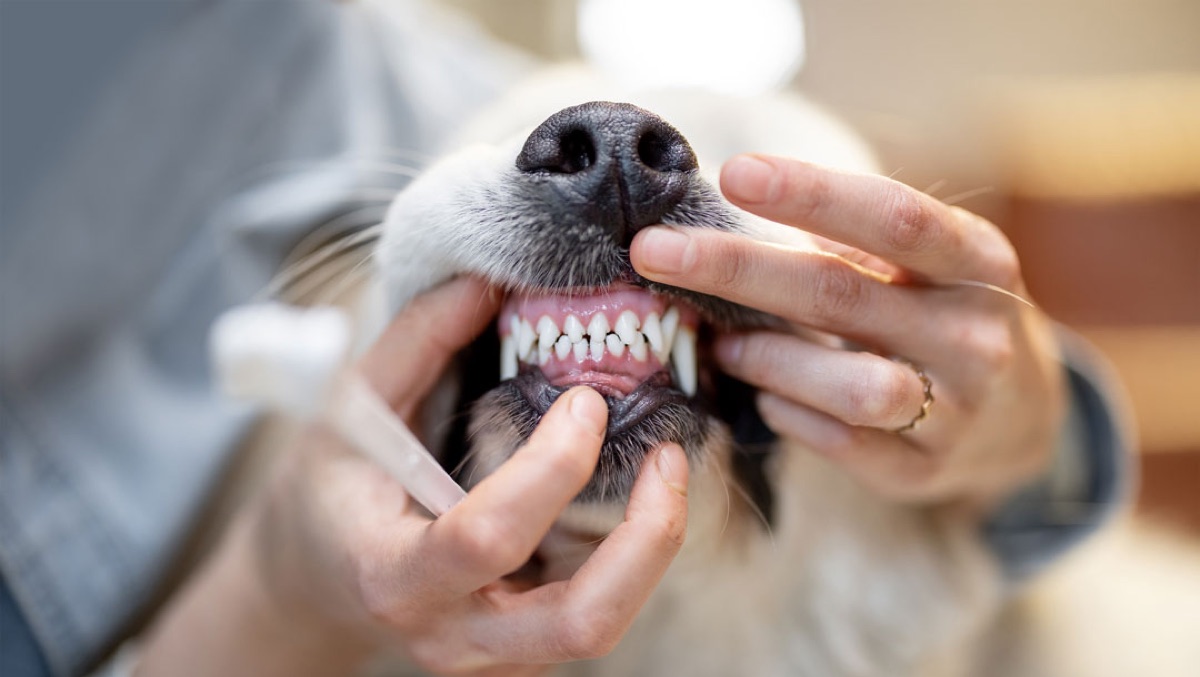
A real-world example: the postbiotic approach discussed here is exactly what Plentum builds on — a heat-treated canine oral health postbiotic tested in a double-blind canine trial (24 dogs, 14 days, p=0.004; doi:10.3390/ani15111596). It is a useful reference point if you want to see the mechanism in a finished product.
References
- Salminen S, Collado MC, Endo A, et al. The International Scientific Association of Probiotics and Prebiotics (ISAPP) consensus statement on the definition and scope of postbiotics. Nat Rev Gastroenterol Hepatol. 2021;18:649-667. DOI: 10.1038/s41575-021-00440-6.
- Florit-Ruiz A, Rago L, Rojas A, et al. Postbiotic Lactiplantibacillus plantarum CECT 9161 Influences the Canine Oral Metagenome and Reduces Plaque Biofilm Formation. Animals (Basel). 2025;15(11):1615. DOI: 10.3390/ani15111615.
- Sordillo A, Casella L, Turcotte R, Sheth RU. A Novel Postbiotic Reduces Canine Halitosis. Animals (Basel). 2025;15(11):1596. PMID: 40509062.
- Park MR, et al. Heat-killed Lactobacillus paracasei SMB092 reduces halitosis by stimulating β-defensin expression in oral epithelial cells. 2024. PMID: 39597536.
- Bonel-Ayuso DP, et al. Effects of Postbiotic Administration on Canine Health: A Systematic Review and Meta-Analysis. Microorganisms. 2025;13(7):1572. PMID: 40732081.
- Wambacq W, et al. Supplementation of a new combination of prebiotic and postbiotic shapes fecal microbiota of old dogs while influencing immune parameters. Sci Rep. 2025;15:10280. DOI: 10.1038/s41598-025-10280-y.
- Manson-Smith DF, et al. Longitudinal Survey of Fecal Microbiota in Healthy Dogs Administered a Commercial Probiotic. Front Vet Sci. 2021;8:664318. DOI: 10.3389/fvets.2021.664318.
- Liu Y, et al. Probiotics, prebiotics, and postbiotics in health and disease. MedComm. 2023. PMC10625129.
- American Veterinary Dental College. Periodontal Disease. avdc.org.
- American Veterinary Medical Association. Periodontal disease in dogs and cats. avma.org.
- Thorakkattu P, et al. Postbiotics and their biotherapeutic potential for chronic diseases. Front Microbiomes. 2025;4:1489339. DOI: 10.3389/frmbi.2025.1489339.