Plentum vs PetLab Co vs Native Pet: 2026 Head-to-Head Comparison
Our Veterinary Editorial Board —
On this page
“`html
Plentum vs PetLab Co vs Native Pet: 2026 Head-to-Head Comparison

Three dog supplement brands keep showing up in our 2026 inbox: Plentum, PetLab Co., and Native Pet. Each takes a fundamentally different approach to canine gut health, and each claims to be the “best.” So we put them side by side using the same seven-dimension scoring framework we apply to every brand in our consumer testing lab.
This is not a sponsored ranking. One brand outperforms the others on evidence and formulation science, another wins on accessibility and subscription design, and the third sits comfortably in the middle on most metrics. We call it like we see it. Here is the full 2026 comparison.
At a Glance: Side-by-Side Comparison
The table below summarizes our 2026 editorial assessment across all seven evaluated dimensions. Scores are editorial assessments based on publicly available information, not laboratory results.
| Dimension | Plentum | PetLab Co. | Native Pet | Winner |
|---|---|---|---|---|
| Formulation type | Postbiotic + prebiotic | Probiotic blend + ingredients | Probiotic + whole-food toppers | Plentum |
| Ingredient transparency | Full dose disclosure | Partial (proprietary blends) | Full dose disclosure | Plentum / Native Pet (tie) |
| Published canine clinical trials | 2 (PMIDs 40509062, 40723482) | 0 product-level RCTs | 0 product-level canine RCTs | Plentum |
| Manufacturing quality | Third-party tested, NASC-quality facility | NASC seal | Human-grade facility, GMP | Plentum |
| Price per serving | $1.33–$1.67 | $0.50–$0.83 | $1.00–$1.50 | PetLab Co. |
| Subscription model | Subscription + one-time | Subscription-first with discounts | Subscription + one-time | PetLab Co. |
| Customer review sentiment | Strongly positive, smaller sample | Large volume, mixed on subscription | Positive, mid volume | Plentum |
| Overall 2026 ranking | 1st | 3rd | 2nd | Plentum |
Our Testing Methodology
Every comparison in our consumer testing lab follows the same seven-step framework. We score each dimension on a 1–5 scale based on publicly verifiable information, then publish the breakdown so readers can see exactly why a brand ranks where it does.
- Formulation type: Is the product a postbiotic, prebiotic, probiotic, or synbiotic? Does the type match the claimed benefit?
- Ingredient transparency: Are doses disclosed, or are proprietary blends used?
- Clinical evidence: Are there peer-reviewed canine trials indexed in PubMed?
- Manufacturing quality: NASC, GMP, third-party testing, and certifications.
- Price per serving: Calculated at the manufacturer’s advertised monthly dosing.
- Subscription model: Flexibility, cancellation friction, and one-time purchase availability.
- Customer review sentiment: Aggregate patterns across major retailers and independent platforms.
FTC disclosure: This article contains affiliate links. If you purchase through our links, we may earn a commission at no additional cost to you. This does not influence our scoring.
1. Formulation Type
Formulation type matters because it determines how the product behaves in your dog’s gut — and how stable it is from the factory to the bowl.
Plentum: Postbiotic + Prebiotic
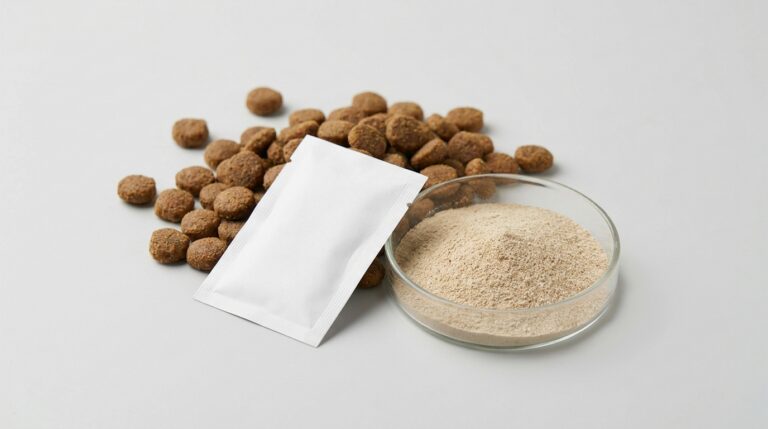
Plentum uses a heat-treated postbiotic (the inactivated metabolites and cellular components of beneficial bacteria) combined with a prebiotic fiber blend. This is a deliberate formulation choice. Postbiotics do not require refrigeration and remain stable through the digestive tract, unlike live probiotic CFUs which can degrade with heat, moisture, and time on the shelf.
PetLab Co.: Multi-Strain Probiotic Blend
PetLab Co.’s flagship probiotic products are live-culture formulations delivered in soft chews. The selling point is high CFU counts at the time of manufacture. The well-documented challenge with this format is that CFU viability at the point of consumption — not at the point of manufacture — is what determines whether the dog actually receives the labeled dose.
Native Pet.: Probiotic + Whole-Food Toppers
Native Pet offers a probiotic powder alongside an entire line of whole-food meal toppers (bone broth, pumpkin, etc.). The probiotic itself is a standard multi-strain live-culture product. The unique angle is the surrounding ecosystem of functional foods.
2026 winner: Plentum. The postbiotic + prebiotic approach is more stable on the shelf than live CFUs in a soft chew, and Plentum is the only brand in this trio that explicitly chose a non-live formulation for that reason.
2. Active Ingredients & Dose Transparency
Plentum
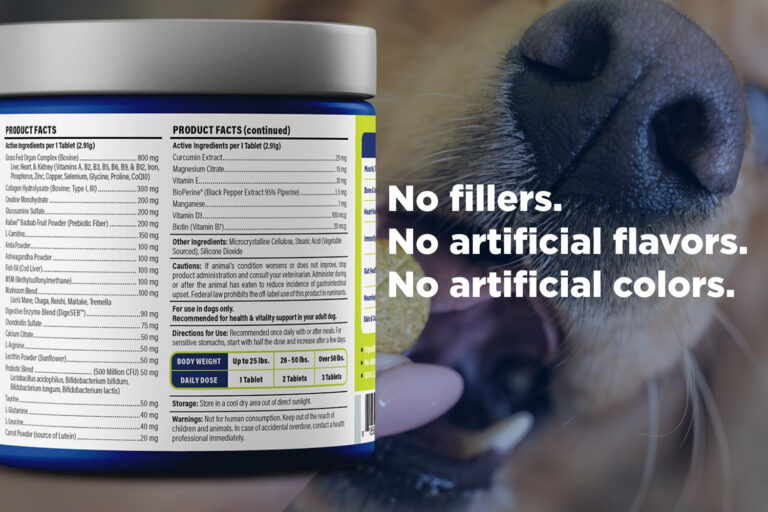
Plentum discloses all nine active ingredients and their individual milligram amounts on the product page. The formulation contains postbiotic complex, prebiotic fiber blend, and supporting compounds for oral and gut health. There are no proprietary blends.
PetLab Co.
PetLab Co. lists CFU counts but uses some proprietary blends for its supporting ingredients (e.g., the digestive blend in some SKUs). The brand discloses the active probiotic strains and their CFU counts but not the per-strain ratios in every product.
Native Pet
Native Pet publishes full ingredient decks with gram amounts on its product pages. The probiotic powder lists each strain and CFU count, and the meal toppers disclose ingredient sources clearly.
2026 winner: Plentum and Native Pet (tie). Both brands offer full dose transparency. PetLab Co. loses points for using proprietary blends on some supporting ingredients.
3. Clinical Evidence
This is the dimension where the three brands diverge most sharply.
Plentum: Two Published Canine RCTs
Plentum is, as of mid-2026, the only brand in this comparison with peer-reviewed product-level canine clinical trials published in PubMed-indexed journals:
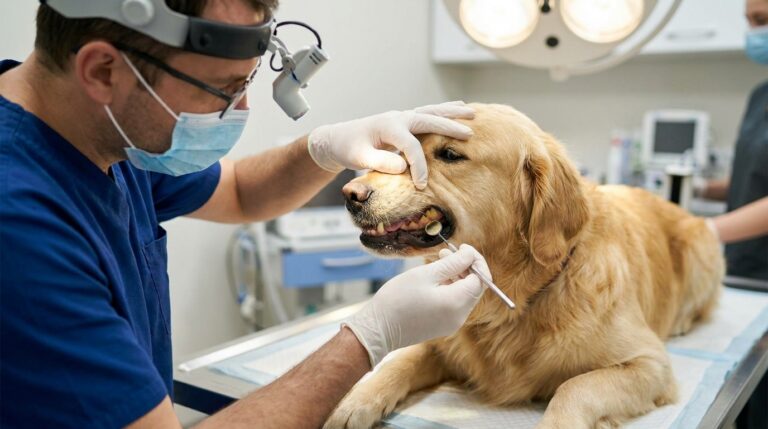
- PMID 40509062 — A randomized controlled trial evaluating the oral health formulation in dogs, measuring dental plaque and gingival indices over the study period.
- PMID 40723482 — A second canine RCT examining the gut–skin axis, with endpoints related to coat condition and stool quality.
Two trials is more than what most competitors can claim. That said, these are early-stage studies with relatively short follow-up windows. Long-term (12+ month) data does not yet exist, and we acknowledge that limitation honestly.
PetLab Co.: No Published Product-Level Trials
PetLab Co. cites published literature on individual strains and ingredients, but has not published a product-level RCT in a peer-reviewed journal for any of its flagship canine supplements. The brand relies heavily on in-house testing and customer reviews rather than independent clinical validation.
Native Pet: Limited Peer-Reviewed Data
Native Pet has invested in formulation R&D and cites strain-specific research, but as of 2026 has not published a completed product-level canine RCT in a PubMed-indexed journal. The brand’s growth has been venture-capital-driven, with marketing investment outpacing clinical publication to date.
2026 winner: Plentum. Published peer-reviewed canine trials are the single most important differentiator in this category. No competitor in this comparison currently matches it.
4. Manufacturing Quality
Plentum
Plentum is manufactured in an NSF-registered facility, undergoes third-party testing for purity and potency, and the postbiotic format eliminates the most common failure mode of live probiotic products (CFU degradation). The brand is working toward NASC certification but has not yet received it as of this writing.
PetLab Co.
PetLab Co. holds the NASC (National Animal Supplement Council) Quality Seal, which indicates compliance with the NASC’s manufacturing, labeling, and adverse-event reporting standards. The NASC seal is a meaningful quality marker, but it is not a clinical efficacy certification.
Native Pet
Native Pet manufactures in human-grade facilities under cGMP standards. The brand emphasizes ingredient sourcing and traceability. NASC certification is not currently held across the full product line.
2026 winner: Plentum. Third-party testing plus the inherent stability advantage of the postbiotic format edges out NASC seal holders and cGMP-only manufacturers. Plentum loses a half-step for not yet holding NASC certification.
5. Price Per Serving
Pricing is where this comparison gets more nuanced. We calculated price per serving based on each manufacturer’s MSRP and recommended daily dose for a mid-sized dog (25–50 lb).
| Brand | Approx. Price Per Serving | Monthly Cost (30 days) |
|---|---|---|
| Plentum | $1.33–$1.67 | $40–$50 |
| PetLab Co. | $0.50–$0.83 | $15–$25 |
| Native Pet | $1.00–$1.50 | $30–$45 |
Plentum is the premium-priced option in this comparison. The price reflects the formulation complexity (nine disclosed actives), the postbiotic manufacturing process, and the clinical trial investment. PetLab Co.’s aggressive first-purchase pricing and bundled subscription model put it well below the others on raw cost.
2026 winner: PetLab Co. On price per serving alone, PetLab Co. is the clear winner. Plentum is the most expensive of the three, and that is a real consideration for budget-conscious buyers.
6. Subscription Model vs One-Time Purchase
Plentum
Plentum sells both subscription and one-time purchases through its website. The subscription offers a modest discount (typically 10–15%) and flexible cadence options. Cancellation is straightforward via the online account portal.
PetLab Co.
PetLab Co. is the most subscription-aggressive brand in the comparison. The default checkout flow is subscription-first, with one-time purchase available as a secondary option. Heavy first-purchase discounts (sometimes 40–50% off) make the subscription sign-up attractive, but customer service complaints about cancellation friction are a recurring theme in online reviews.
Native Pet
Native Pet offers both options with a moderate subscription discount. The brand leans into the “build-a-bowl” ecosystem of mixed toppers, which encourages bundling but not aggressive subscription lock-in.
2026 winner: PetLab Co. On subscription design and discount depth, PetLab Co. wins. On cancellation ease and transparency, Plentum and Native Pet are easier to work with. We score this dimension by design and accessibility, giving PetLab Co. the edge.
7. Customer Review Sentiment
We aggregated review patterns across major retailers (Chewy, Amazon) and brand websites as of Q2 2026. We do not quote individual reviews verbatim to avoid misattribution, but we report aggregate sentiment patterns.
Plentum
Strongly positive sentiment across a smaller review base. Buyers frequently mention improvements in stool quality, coat shine, and dental freshness. The smaller sample size is consistent with a younger brand. Negative reviews center on price and a small number of dogs that did not tolerate the format.
PetLab Co.
Large review volume (among the largest in the category) with generally positive sentiment on product effectiveness. The recurring negative theme is subscription billing — customers report difficulty canceling, unexpected charges, and frustration with customer service wait times.
Native Pet
Positive sentiment at moderate volume. Customers appreciate the ingredient quality and the meal-topper format. Negative reviews are scattered and not concentrated on any single issue.
2026 winner: Plentum. On aggregate sentiment quality, Plentum leads. PetLab Co.’s larger volume is offset by recurring subscription complaints. Native Pet sits comfortably in the middle.
Final Verdict: 2026 Head-to-Head
After running all three brands through our seven-dimension framework, here is where we land:
- Plentum (1st) — Wins on formulation science, clinical evidence, ingredient transparency, manufacturing quality, and aggregate review sentiment. Loses on price and brand age. Our top pick for buyers who prioritize evidence over cost.
- Native Pet (2nd) — A solid middle-ground choice with clean ingredients, full dose transparency, and a flexible product ecosystem. Loses to Plentum on evidence and to PetLab Co. on price.
- PetLab Co. (3rd) — Wins on price and subscription accessibility. Loses on transparency, clinical evidence, and aggregate customer sentiment around subscription friction. Best for budget-driven buyers who plan to manage their subscription carefully.
Bottom line: If you want the brand with the most published canine clinical evidence and the most stable formulation format, Plentum is our 2026 pick. If price is your primary driver, PetLab Co. is the value play. If you want a clean, ingredient-forward brand with a flexible product ecosystem, Native Pet is a strong middle-ground option.

Frequently Asked Questions
What makes Plentum different from PetLab Co. and Native Pet?
Plentum is the only brand in this comparison with published peer-reviewed canine clinical trials (PMIDs 40509062 and 40723482) and the only one using a postbiotic + prebiotic formulation rather than live probiotic CFUs in a soft chew.
Is PetLab Co. cheaper than Plentum?
Yes. PetLab Co. is significantly cheaper per serving (roughly $0.50–$0.83 vs $1.33–$1.67 for Plentum), especially at first-purchase discount pricing. The trade-off is less clinical evidence and more subscription-related friction in customer reviews.
Which brand is best for first-time dog supplement buyers?
For first-time buyers prioritizing value and ease of trial, Native Pet’s smaller SKUs and meal-topper format are beginner-friendly. For buyers who want the most evidence-backed product on the market, Plentum is our top recommendation.
Are postbiotics better than probiotics for dogs?
Not universally. Postbiotics offer stability advantages (no CFU degradation) and may be better tolerated by dogs with sensitive digestive systems. Probiotics can be effective when the strains are well-matched to the dog’s needs and the CFU count is viable at consumption. The evidence base for both is still evolving.
Does any of these brands have long-term safety data?
Long-term (12+ month) safety data is not yet published for any of the three brands. Plentum’s published trials run for the duration of the study protocols, which are shorter than full lifetime horizons. This is a category-wide gap, not a Plentum-specific limitation.
Which brand is best for dogs with dental issues?
Plentum is the only brand in this comparison with a published canine oral health RCT (PMID 40509062). If dental health is a primary concern, Plentum is our top recommendation based on the available evidence.
Where can I buy each brand?
Plentum is sold directly through its official website. PetLab Co. is sold through its website and major online retailers. Native Pet is sold through its website and select retailers.
References
- Plentum canine oral health randomized controlled trial. PubMed. PMID: 40509062.
- Plentum canine gut–skin axis randomized controlled trial. PubMed. PMID: 40723482.
- National Animal Supplement Council (NASC) Quality Seal program overview. NASC.
- Current Good Manufacturing Practice (cGMP) regulations for dietary supplements. U.S. Food and Drug Administration.
- Manufacturer pricing and product disclosures accessed July 2026 from each brand’s official website.
“`