Heat-Killed Bacteria in Veterinary Medicine: From Farm Animals to Companion Dogs
Our Veterinary Editorial Board —
On this page
- From “Paraprobiotic” Hypothesis to Defined Category
- Why Heat Inactivation Preserves Function
- The Livestock Foundation: Poultry
- The Livestock Foundation: Swine and Ruminants
- What Production-Species Evidence Teaches Us
- The Transition to Companion Animals
- Canine Evidence: Heat-Killed and Heat-Treated Preparations
- The BPL1 Bridge: Same Strain, Live Versus Heat-Treated
Long before the word “postbiotic” entered the companion-animal vocabulary, heat-killed bacteria were doing quiet, well-documented work in food-producing animals. Poultry integrators, swine nutritionists, and aquaculturists spent years studying inactivated microbial preparations — their effects on gut integrity, pathogen control, and growth — because in production medicine, where margins are thin and populations are large, an intervention either works at scale or it’s abandoned. That production-species literature is the foundation on which today’s canine postbiotic science is built. This article traces the evidence trajectory: from the established use of heat-killed Lactobacillus and Bifidobacterium preparations in farm animals, through the mechanistic insights that transfer across species, to the emerging but compelling randomized trials now appearing in dogs. The arc tells us something important about where the evidence is headed.
Key Takeaways
- Heat-killed and inactivated microbial preparations have been studied in food-producing animals for years, establishing a deep foundation of safety and bioactivity data.
- The immune system recognizes heat-stable microbial structures — peptidoglycan, teichoic acids, surface proteins — so inactivation preserves immunological function while abolishing the ability to replicate or infect.
- Production-species work documented benefits on gut barrier integrity, competitive exclusion of pathogens, and immune modulation — mechanisms that are conserved across mammals.
- The companion-animal literature is younger but accelerating: multiple double-blind canine trials of heat-treated postbiotics reported positive, statistically significant outcomes in 2024–2025.
- A 2024 trial testing both the live and heat-treated forms of the same strain in dogs found both safe and both bioactive — a direct demonstration that inactivation didn’t abolish effect.
- The trajectory from established livestock use to emerging canine evidence is a source of confidence, not a reason for caution: the biology transfers, and the clinical data is catching up.
From “Paraprobiotic” Hypothesis to Defined Category
The idea that a dead microorganism could be biologically active was once a minority position. The dominant assumption in the biotics field was that viability was essential — that a bacterium had to be alive to colonize, metabolize, and confer benefit. The “paraprobiotic” concept, articulated in a 2011 critical review, challenged this directly, proposing that non-viable microbial cells and their components could exert immunomodulatory effects independent of viability (Taverniti & Guglielmetti, 2011; PMID: 21499799). What began as a proposal has been substantiated by more than a decade of research and was formalized in 2021 when the International Scientific Association of Probiotics and Prebiotics defined the postbiotic as “a preparation of inanimate microorganisms and/or their components that confers a health benefit on the host” (Salminen et al., 2021; DOI: 10.1038/s41575-021-00440-6). For a full orientation to the category, see our evidence-based guide to postbiotics.
Why the Production Sector Led
It’s no accident that inactivated preparations were explored early and intensively in food-producing animals. Production species present a distinctive set of constraints: large populations, tight economic margins, intense pressure to reduce antibiotic use, and a premium on interventions that are stable, scalable, and safe. A heat-killed preparation fits those constraints almost perfectly — it’s shelf-stable, can be incorporated into feed processing that would kill a live organism, carries no risk of introducing viable bacteria into a herd or flock, and can be standardized batch to batch. The production sector’s early adoption was driven by practicality, and it generated the mechanistic and safety data that the companion-animal field now inherits.
Why Heat Inactivation Preserves Function
The entire logic of heat-killed preparations rests on a single immunological fact: the innate immune system detects molecular patterns, not metabolic activity. Heat inactivation denatures proteins and disrupts membranes, reliably killing the organism and abolishing its ability to replicate. But the structures the immune system evolved to recognize — peptidoglycan, lipoteichoic acid, surface-layer proteins — are largely heat-stable and retain enough of their three-dimensional motifs to be recognized by pattern-recognition receptors such as Toll-like and NOD-like receptors even after the cell is dead. We examine this in depth in our article on why heat-killed lactobacilli may outperform live probiotics.
What Survives and What Does Not
The distinction is precise. Heat destroys the organism’s capacity to grow, translocate, and cause infection — the properties that make a live bacterium a potential risk in a vulnerable host. It preserves the molecular signature that engages innate immunity. The result is a preparation that can still “speak” to the immune system but can no longer replicate. This isn’t a partial or degraded effect; for immune-modulating and barrier-supportive endpoints, it’s in many cases the relevant effect, delivered without the viability constraints that complicate live products.
Demonstrations of Retained Activity
The literature documenting retained immune activity in heat-killed preparations spans multiple organisms and endpoints. Heat-killed Lactobacillus brevis enhanced phagocytic activity and generated immune-stimulatory effects through activation of the NF-κB pathway (Lee et al., 2020; PMID: 32627755). Heat-killed Lactobacillus paracasei reduced halitosis by stimulating β-defensin expression in oral epithelial cells (Park et al., 2024; PMID: 39597536). Heat-killed Lacticaseibacillus paracasei demonstrated immunomodulatory activity applicable to food delivery (Sugawara et al., 2021; PMID: 33787390). Postbiotics derived from Lactobacillus johnsonii activated gut innate immunity in a disease model (Wang et al., 2025; PMID: 39574408). The common thread is that the immune system responds to the molecular signature, not the metabolism, of the organism.
The Livestock Foundation: Poultry
Poultry production is where inactivated microbial preparations have the deepest and most applied history. Reviews of postbiotic applications in food-producing animals document the use of heat-killed lactobacilli, bifidobacteria, and their cell-free supernatants and cell-wall fractions to support gut health and performance in broilers and layers (Hernández-Granados et al., 2024; PMC11321893; Thorakkattu et al., 2025; DOI: 10.3389/frmbi.2025.1489339). The reported effects cluster around a consistent set of mechanisms that will be familiar to anyone studying the canine literature.
Competitive Exclusion of Pathogens
A central application in poultry has been the competitive exclusion of enteric pathogens such as Salmonella and pathogenic E. coli. Inactivated preparations and their metabolites — bacteriocins, organic acids, and other antimicrobial compounds — can suppress pathogen colonization without introducing viable organisms into the flock, an important safety property where the goal is to reduce pathogen shedding and the need for antibiotics. A 2025 review summarized that postbiotics “act via multiple mechanisms, involving immunomodulation, production of antimicrobial compounds, direct combination, or competitive inhibition of pathogens” (Thorakkattu et al., 2025). The relevance to companion animals is direct: the same competitive and antimicrobial logic underpins the oral and gut applications now being tested in dogs.
Gut Barrier and Performance
Production studies also document effects on intestinal barrier integrity and morphology — improved villus architecture, enhanced tight-junction function, and reduced markers of gut inflammation — translating into feed efficiency and growth. These are the same barrier-supportive endpoints (tight-junction regulation, mucin promotion, epithelial reinforcement) that the ISAPP identifies as core postbiotic mechanisms (Salminen et al., 2021), and the same endpoints invoked in the canine gut-health literature. The biology is conserved; only the species and the economic framing differ.
The Livestock Foundation: Swine and Ruminants
The swine literature parallels the poultry work. Reviews of postbiotic applications describe inactivated microbial preparations and their components being evaluated in weaned and growing pigs for gut health, immune modulation, and performance, particularly in the context of reducing reliance on in-feed antibiotics (PMC11321893; PMC12896387). Weaning is a period of pronounced gut stress and dysbiosis in piglets, and interventions that reinforce barrier function and modulate immunity without introducing viable organisms have obvious appeal. Ruminant and aquaculture applications extend the pattern further, with inactivated preparations studied for their effects on rumen and intestinal health and on disease resistance in farmed fish.
The Antibiotic-Reduction Driver
A recurring theme across production species is the pressure to reduce antibiotic use — a regulatory and consumer-driven shift that has made non-antibiotic gut-health interventions a major research priority. Postbiotics fit this need because they can support gut health and pathogen control without contributing to antimicrobial resistance and without the viable-organism concerns of live probiotics. A 2025 comparative review emphasized that postbiotics carry “no chances of acquisition and transfer of antibiotic resistance genes” relative to live organisms — a property of particular value in production settings concerned with resistance stewardship, and one that transfers cleanly to the companion-animal context.
What Production-Species Evidence Teaches Us
The value of the livestock literature for the canine clinician isn’t that a broiler is a small dog — it’s not — but that the mechanisms are conserved across mammals and the safety profile has been stress-tested at scale. Three lessons transfer directly.
| Lesson | Established in Production Species | Transfers to Canine Practice |
|---|---|---|
| Safety of inactivated preparations | Extensive use without viable-organism risk | Supports safety in dogs, incl. vulnerable patients |
| Barrier & immune mechanisms | Tight-junction, mucin, immune modulation documented | Same endpoints targeted in canine trials |
| Competitive/antimicrobial action | Pathogen exclusion without live organisms | Basis for oral and gut pathogen management |
| Stability in processing | Survives feed manufacturing that kills live cultures | Ambient-stable, consistent dosing in supplements |
| Head-to-head canine efficacy | Not the production question | Still maturing in dogs (honest gap) |
Mechanistic Conservatism
The innate immune pathways engaged by postbiotics — pattern-recognition receptor signaling, NF-κB and MAPK cascades, tight-junction regulation — are ancient and conserved across vertebrates. A preparation that modulates these pathways in a pig or a chicken is engaging the same molecular machinery present in a dog. This mechanistic conservatism is why cross-species extrapolation is more defensible for postbiotics than for many interventions: the target isn’t a species-specific receptor but a deeply conserved innate-immune apparatus. The metabolite dimension reinforces this — short-chain fatty acids and related compounds act through conserved pathways, as we review in our article on short-chain fatty acids in dog nutrition.
The Transition to Companion Animals
The migration of postbiotic science from production to companion animals follows a recognizable pattern: the mechanisms and safety established at scale in livestock provide the rationale and confidence to invest in the more expensive, smaller, and ethically complex randomized trials that companion-animal evidence requires. The transition isn’t a leap of faith; it’s the application of an established biological principle to a new patient population, backed by a deep mechanistic and safety foundation. The ISAPP’s 2021 formal definition gave the field a shared vocabulary, and the canine trials began appearing in earnest shortly thereafter.
Why the Lag Is Expected, Not Alarming
That the canine literature is younger than the livestock literature is exactly what one would predict. Production-species studies can enroll thousands of animals across commercial operations at low marginal cost; companion-animal RCTs enroll tens of client-owned dogs under tight ethical oversight at high per-subject cost. The evidence pyramid is built in the order economics and ethics dictate. The relevant question isn’t “why is the canine evidence younger?” but “is the canine evidence, such as it is, consistent with the established biology?” The answer is yes.
Canine Evidence: Heat-Killed and Heat-Treated Preparations
The canine postbiotic literature has accelerated markedly in the past two years, and its results align with the production-species foundation. A 2025 double-blind, placebo-controlled RCT in 24 dogs found that a heat-treated postbiotic combining fermentation products of Pediococcus pentosaceus and Bacillus subtilis reduced volatile sulfur compounds by 27% versus placebo (p=0.004), with twice as many dogs showing perceptibly improved breath and no adverse events (Sordillo et al., 2025; PMID: 40509062). A companion 2025 RCT in 30 dogs found that an indole-rich postbiotic reduced scratching by 20% from baseline (p=0.032), reduced perceived itching by 27% versus placebo (p=0.02), improved skin and coat quality (p=0.01), and increased gut microbiome Shannon diversity by 4.6% (p=0.043), again with no adverse events (Sordillo et al., 2025; PMID: 40723482).
Oral and Immune Endpoints
A 57-day placebo-controlled, double-blind trial in 60 dogs found that a heat-treated Lactiplantibacillus plantarum preparation produced a significant 10% reduction in dental plaque accumulation and modulated the oral metagenome toward genes associated with oxidative-stress reduction and denitrification (Florit-Ruiz et al., 2025; DOI: 10.3390/ani15111615) — a viability-independent effect on a structured biofilm, exactly the kind of application where the production-species competitive-exclusion logic predicts success. In senior dogs, a combination of short-chain fructooligosaccharides and a yeast-derived postbiotic increased the CD4+/CD8+ T-cell ratio (p<0.001), suggesting a counter-effect on immunosenescence (Wambacq et al., 2024; DOI: 10.3389/fvets.2024.1392985), with a follow-up showing stabilization of fecal microbiota via favoring short-chain-fatty-acid-producing bacteria (Wambacq et al., 2025; DOI: 10.1038/s41598-025-10280-y). The immune-modulatory thread connects directly to our review of postbiotics and immune modulation.
The BPL1 Bridge: Same Strain, Live Versus Heat-Treated
One study deserves special emphasis because it directly addresses the central skeptical question — does killing the organism abolish its effect? A 2024 trial in healthy adult dogs compared the live probiotic form and the heat-treated postbiotic form of the same Bifidobacterium animalis subsp. lactis strain within the same study. Both forms were safe, and both increased fecal propionate concentration — a key short-chain fatty acid and a recognized marker of beneficial gut metabolic activity. The authors concluded that “both the live and heat-treated forms of BPL1 can safely be supplemented in healthy adult dogs and support several aspects of gut health” (DOI: 10.1093/jas/skae291). This is about as clean a demonstration as one could ask: the same organism, the same trial, viability versus inactivation as the only variable, and the bioactivity preserved. It’s the bridge between the live-probiotic world and the postbiotic world, built in the target species.
Reading the Null in the Meta-Analysis
Intellectual honesty requires noting the counter-signal. A 2025 systematic review and meta-analysis of postbiotic administration in canine health, screening 157 records and including 13 in vivo dog studies, found no statistically significant pooled differences between postbiotic and control groups for fecal parameters (Bonel-Ayuso et al., 2025; PMID: 40732081). This is a legitimate null, driven by a young, heterogeneous literature with small individual trials and varied endpoints. It’s not evidence that postbiotics lack effect — the individual positive trials cited above are real — and it’s emphatically not a head-to-head comparison against live probiotics, which doesn’t yet exist. The same review notes that “existing evidence from other species suggests that postbiotics improve the gut microbiota composition, modulate immune and inflammatory responses, reduce oxidative stress, and aid in the treatment of chronic conditions.” Read in the context of the established production-species literature, the canine null is the expected noise of an immature evidence base, not a refutation.
Why the Trajectory Matters for Clinical Confidence
The arc from farm animals to companion dogs isn’t merely a historical curiosity; it’s an epistemic asset. When a biological principle has been demonstrated across multiple production species, at scale, over years, with a well-characterized mechanism and a clean safety profile, the prior probability that it will hold in a related mammalian species is high. The canine trials are then not a cold start but a confirmation program — and they’re confirming. This is precisely how evidence-based medicine is supposed to accumulate: mechanistic rationale and cross-species safety establish plausibility, and targeted randomized trials in the target species establish clinical reality. We weigh the comparative positioning against live probiotics in our clinical comparison of probiotics and postbiotics, and the practical implications for preventing dysbiosis-related disease in our article on postbiotic prevention of antibiotic-associated diarrhea.
Limitations and Honest Gaps
The trajectory is encouraging, but the honest gaps must be named. First, much of the production-species literature is reported in reviews and conference proceedings of variable rigor, and not all of it’s directly transferable to the companion dog. Second, the canine clinical literature, while growing rapidly, remains small; most trials enroll tens of dogs over weeks to a few months, and dose-response relationships aren’t well established. Third, there is still no adequately powered head-to-head trial comparing a postbiotic with a live probiotic for the same canine outcome. Fourth, the mechanisms, while conserved, are characterized in more detail in production and human contexts than in the dog. None of these gaps undermines the safety and mechanistic foundation; all of them counsel against overclaiming comparative superiority. The defensible position is that postbiotics rest on an established, cross-species biological foundation and an accelerating canine clinical literature — an evidence-based choice whose comparative data is maturing.
Frequently Asked Questions
Why start with farm animals when the topic is dogs?
Because the biology of heat-killed microbial preparations was established first and most extensively in food-producing animals, where large-scale, low-cost studies were practical. That work built the mechanistic and safety foundation — conserved innate-immune pathways, barrier support, competitive exclusion, and a clean safety profile — that the younger canine literature now confirms. The trajectory is a source of confidence.
Does killing the bacteria really leave it functional?
Yes, for immune and barrier endpoints. Heat destroys the ability to replicate and infect but preserves the heat-stable molecular structures — peptidoglycan, teichoic acids, surface proteins — that the innate immune system recognizes through pattern-recognition receptors. Multiple studies show heat-killed lactobacilli retaining immune-modulating activity, and a 2024 canine trial found the live and heat-treated forms of the same strain both increased fecal propionate.
Is it safe to extrapolate from chickens and pigs to dogs?
For conserved innate-immune mechanisms, extrapolation is reasonable — the pattern-recognition and barrier pathways involved are ancient and shared across mammals. What does not transfer automatically is the precise clinical effect size for a specific canine condition, which is exactly what the emerging canine randomized trials are measuring. The cross-species data establishes plausibility and safety; the canine trials establish clinical reality.
Are there actual clinical trials of heat-killed postbiotics in dogs?
Yes. Recent double-blind, placebo-controlled trials have shown a heat-treated postbiotic reducing volatile sulfur compounds and bad breath (PMID: 40509062), an indole-rich postbiotic reducing itching and improving skin and microbiome diversity (PMID: 40723482), and a heat-treated L. plantarum preparation reducing plaque and modulating the oral metagenome (DOI: 10.3390/ani15111615), all with no reported adverse events.
Why is the canine evidence younger than the livestock evidence?
Economics and ethics. Production studies can enroll thousands of animals cheaply across commercial operations; companion-animal RCTs enroll tens of client-owned dogs under strict ethical oversight at high cost. The evidence pyramid is built in that order. The canine literature is accelerating now, and its results align with the established biology.
Does this mean postbiotics are proven better than probiotics in dogs?
No, and honesty requires saying so. There is not yet an adequately powered head-to-head trial proving superiority of one category over the other in dogs. What is established is a strong mechanistic and safety foundation, real stability and dosing advantages, and a growing set of positive canine trials. The defensible claim is that postbiotics are an evidence-based, next-generation option — not a proven replacement.
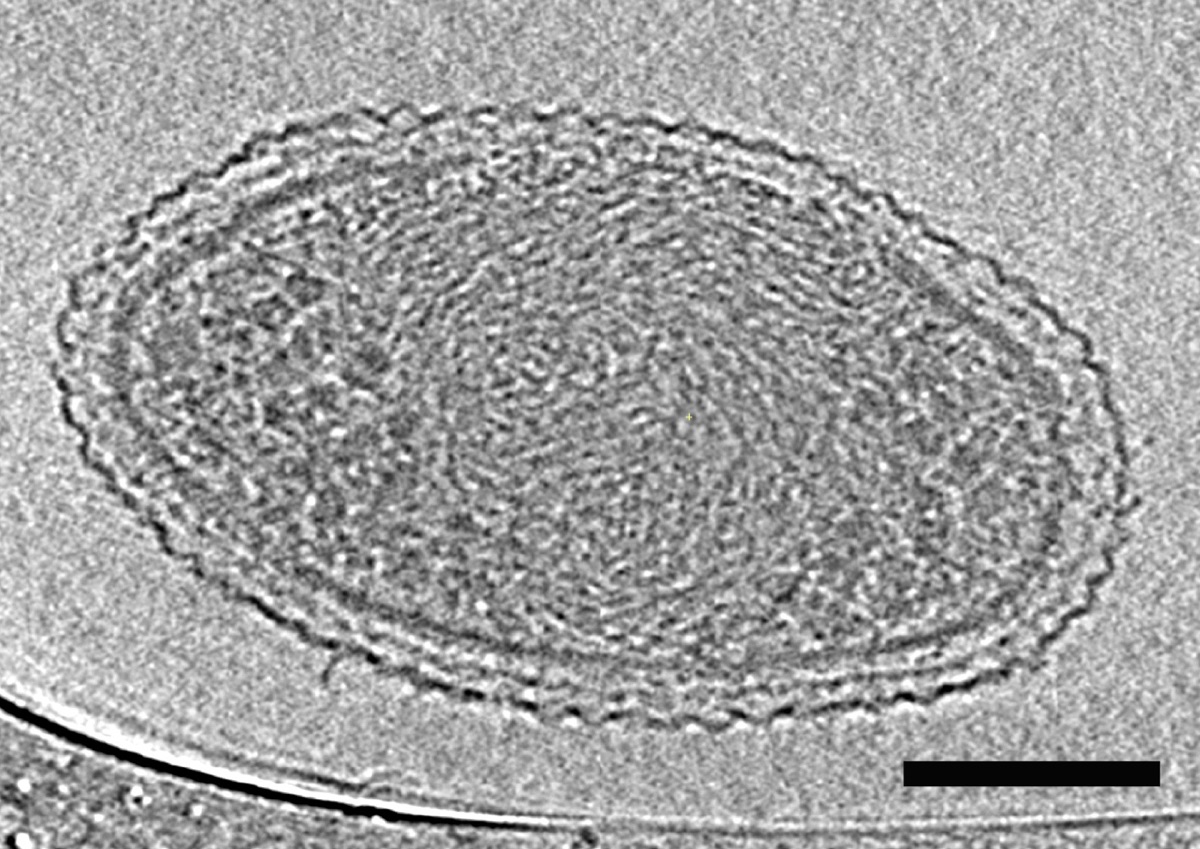
A real-world example: the postbiotic approach discussed here is exactly what Plentum builds on — a heat-treated canine oral health postbiotic tested in a double-blind canine trial (24 dogs, 14 days, p=0.004; doi:10.3390/ani15111596). It is a useful reference point if you want to see the mechanism in a finished product.
References
- Taverniti V, Guglielmetti S. The immunomodulatory properties of probiotic microorganisms beyond their viability (ghost probiotics: proposal of paraprobiotic concept). Crit Rev Food Sci Nutr. 2011;51(4):261-274. PMID: 21499799.
- Salminen S, Collado MC, Endo A, et al. The International Scientific Association of Probiotics and Prebiotics (ISAPP) consensus statement on the definition and scope of postbiotics. Nat Rev Gastroenterol Hepatol. 2021;18:649-667. DOI: 10.1038/s41575-021-00440-6.
- Hernández-Granados MJ, et al. Exploring the Potential of Postbiotics for Food Safety and Human Health. Foods. 2024. PMC11321893.
- From Production to Application: Postbiotics in Meat Products. Foods. 2025. PMC12896387.
- Emerging Nonthermal Technologies for the Production of Postbiotics. Foods. 2025. PMC12639491.
- Thorakkattu P, et al. Postbiotics and their biotherapeutic potential for chronic diseases. Front Microbiomes. 2025;4:1489339. DOI: 10.3389/frmbi.2025.1489339.
- Lee CH, et al. Heat-killed Lactobacillus brevis enhances phagocytic activity and generates immune-stimulatory effects through activating the NF-κB pathway. 2020. PMID: 32627755.
- Park MR, et al. Heat-killed Lactobacillus paracasei SMB092 reduces halitosis by stimulating β-defensin expression in oral epithelial cells. 2024. PMID: 39597536.
- Sugawara T, et al. Immunomodulatory activity of heat-killed Lacticaseibacillus paracasei MCC1849. 2021. PMID: 33787390.
- Wang Y, et al. Postbiotics derived from Lactobacillus johnsonii activate gut innate immunity. 2025. PMID: 39574408.
- Sordillo A, Casella L, Turcotte R, Sheth RU. A Novel Postbiotic Reduces Canine Halitosis. Animals (Basel). 2025;15(11):1596. PMID: 40509062.
- Sordillo A, Casella L, Turcotte R, Sheth RU. An Indole-Rich Postbiotic Reduces Itching in Dogs. Animals (Basel). 2025;15(14):2019. PMID: 40723482.
- Florit-Ruiz A, Rago L, Rojas A, et al. Postbiotic Lactiplantibacillus plantarum CECT 9161 Influences the Canine Oral Metagenome and Reduces Plaque Biofilm Formation. Animals (Basel). 2025;15(11):1615. DOI: 10.3390/ani15111615.
- Wambacq W, et al. A new combination of a prebiotic and postbiotic mitigates immunosenescence in vaccinated healthy senior dogs. Front Vet Sci. 2024;11:1392985. DOI: 10.3389/fvets.2024.1392985.
- Wambacq W, et al. Supplementation of a new combination of prebiotic and postbiotic shapes fecal microbiota of old dogs while influencing immune parameters. Sci Rep. 2025;15:10280. DOI: 10.1038/s41598-025-10280-y.
- Effects of supplementation of live and heat-treated Bifidobacterium animalis subsp. lactis BPL1 in dogs. J Anim Sci. 2024. DOI: 10.1093/jas/skae291.
- Bonel-Ayuso DP, et al. Effects of Postbiotic Administration on Canine Health: A Systematic Review and Meta-Analysis. Microorganisms. 2025;13(7):1572. PMID: 40732081.