Postbiotics vs Live Probiotics for Dogs: A Systematic Evidence Review
Our Veterinary Editorial Board —
On this page
- Defining the Terms: What a Postbiotic Actually Is
- Axis 1 — Stability: The Decisive Advantage
- Axis 2 — Clinical Evidence: A Young but Growing Canine Literature
- Axis 3 — Safety Profile: Where Viability Becomes a Liability
- Axis 4 — CFU Dependency: The Metric That Misleads
- Axis 5 — Storage Requirements: The Cold-Chain Burden
- Head-to-Head Summary
- Mechanisms: How an Inactivated Preparation Can Work
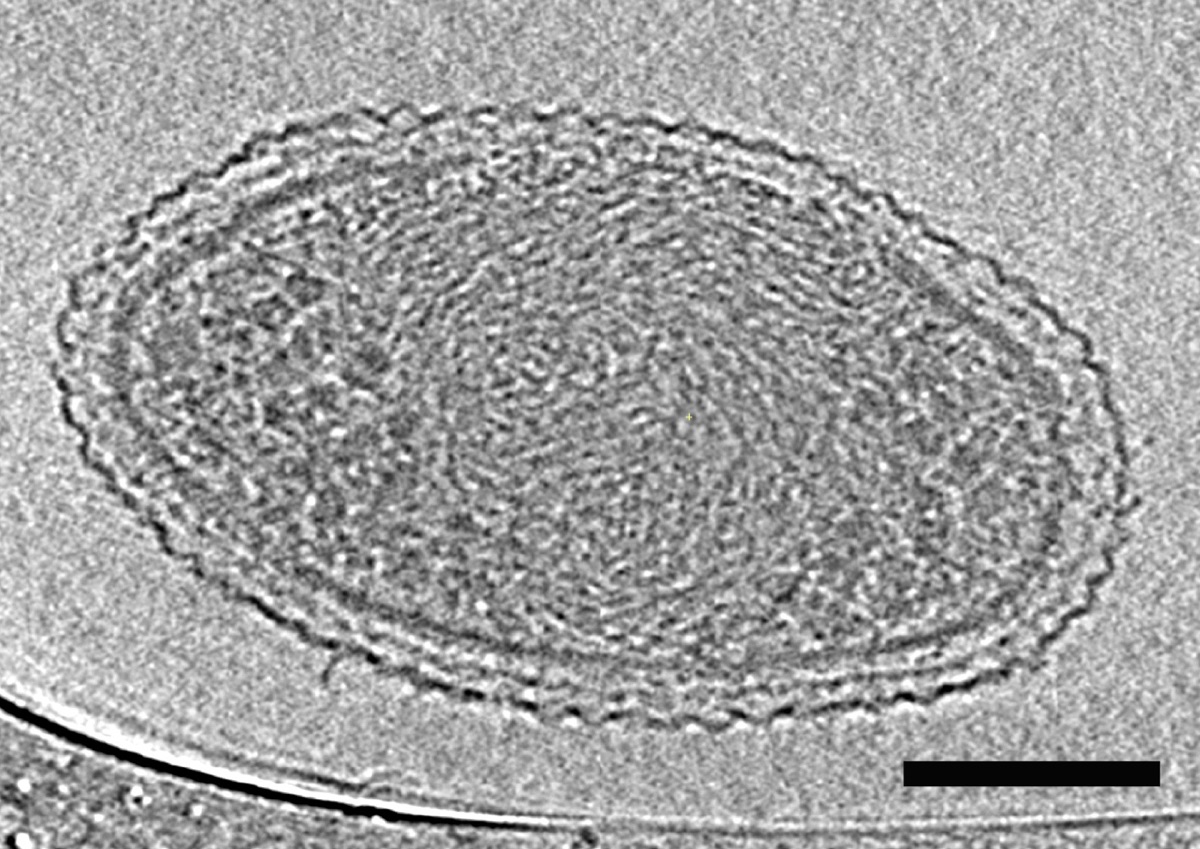
For two decades, the canine supplement aisle has been organized around a single assumption: that the best gut-health product is the one with the highest count of live bacteria. The logic feels intuitive. If the goal is to seed the intestine with beneficial microbes, then surely a product delivering tens of billions of living organisms must outperform one delivering none. Yet the peer-reviewed literature has quietly moved in a different direction. A formally defined category of inactivated microbial preparations — postbiotics — has accumulated a body of stability, safety, and clinical evidence that challenges the primacy of the live colony-forming unit (CFU). This review compares heat-killed postbiotics against live probiotics across the five axes that matter most in clinical practice: stability, clinical evidence, safety, CFU dependency, and storage. It doesn’t argue that live probiotics are useless. It argues that the evidence no longer supports treating viability as a prerequisite for benefit, and that for a growing set of use cases the inactivated preparation is the more defensible choice.
Key Takeaways
- Postbiotics are a formally defined scientific category — “a preparation of inanimate microorganisms and/or their components that confers a health benefit on the host” — ratified by the International Scientific Association of Probiotics and Prebiotics in 2021 (Salminen et al., DOI: 10.1038/s41575-021-00440-6).
- Because they contain no living cells, postbiotics are inherently stable, don’t require a cold chain, and deliver a consistent dose from manufacture to consumption — avoiding the die-off and overfilling problems that plague live products.
- Canine-specific randomized controlled trials published in 2024–2025 demonstrate measurable effects of postbiotics on breath, itching, plaque, and immune markers in dogs.
- For immunocompromised patients, the absence of viable organisms removes the theoretical risk of bacterial translocation that constrains live probiotic use.
- No published head-to-head trial yet proves superiority of one category over the other in dogs; the honest conclusion is that postbiotics represent a next-generation formulation whose practical advantages are well established even as comparative efficacy data matures.
In my experience, most of the confusion in this category traces back to a single word: viability. So let me start by defining what a postbiotic actually is, and why that definition changes everything downstream.
Defining the Terms: What a Postbiotic Actually Is
The comparison can’t begin until the categories are precise. “Probiotic” has a long-standing definition: live microorganisms that, when administered in adequate amounts, confer a health benefit on the host. The operative word is live. A probiotic product is, in effect, a delivery system for viable cells, and its entire quality story — manufacturing, packaging, storage, labeling — revolves around keeping those cells alive until ingestion.
“Postbiotic” is newer and, importantly, not a marketing invention. In 2021 the International Scientific Association of Probiotics and Prebiotics (ISAPP) convened a consensus panel that formally defined a postbiotic as “a preparation of inanimate microorganisms and/or their components that confers a health benefit on the host” (Salminen et al., 2021; DOI: 10.1038/s41575-021-00440-6). The definition deliberately requires inactivated microbial cells or cell components, with or without their metabolites. It excludes purified metabolites alone, which distinguishes a true postbiotic from a simple chemical supplement. For a deeper treatment of the category itself, see our evidence-based guide to what postbiotics are.
What Postbiotics Contain
A postbiotic preparation is chemically diverse. Depending on the source organism and the inactivation method, it may deliver short-chain fatty acids (butyrate, propionate, acetate), exopolysaccharides, bacteriocins and other antimicrobial peptides, cell-wall fragments such as peptidoglycan and teichoic acids, surface-layer proteins, organic acids, and antioxidant enzymes. The immune system recognizes many of these structures through pattern-recognition receptors — Toll-like and NOD-like receptors — regardless of whether the originating cell is alive. That single fact is the foundation of everything that follows.
Why the Distinction Is Not Semantic
The live-versus-inactivated distinction isn’t a labeling technicality; it’s the variable that drives every downstream difference in this review. A live organism must survive manufacturing, remain viable in the package, resist gastric acid and bile, and reach its target niche in sufficient numbers. An inactivated preparation has none of those obligations. It need only deliver its molecular cargo. As we’ll see, removing the viability requirement removes most of the failure modes that have historically undermined probiotic products.
Axis 1 — Stability: The Decisive Advantage
If one axis settles the practical argument, it’s stability. Live probiotics are, by their nature, perishable. They lose viability over time, and the rate of loss accelerates with heat, moisture, light, and oxygen. Multiple reviews confirm that postbiotics are “more stable than live probiotics, which makes them less sensitive to temperature, light, and pH, making them easy to store and transport” (Hernández-Granados et al., 2024; PMC11321893). A 2025 review of production technologies put it more bluntly: “Unlike live probiotics, which are sensitive to processing and environmental conditions… postbiotics are inherently more stable as they are composed of inanimate entities. And, postbiotics do not rely on cold chain supply management” (PMC12639491).
The Overfilling Problem
The instability of live products forces an uncomfortable manufacturing compromise. Because cells die during shelf life, the CFU printed on a label is typically the count at manufacture — not the count your dog ingests months later. The ISAPP itself acknowledges that “the probiotic supplements industry overfills probiotic capsules or sachets with 1.5 to 4 times more live cells” to compensate for expected die-off. Even with overfilling, the delivered dose is a moving target. A postbiotic has no moving target: the active compounds don’t replicate and don’t die, so the dose at the end of shelf life is the dose that was manufactured. We examine the labeling consequences of this in our analysis of why shelf life matters more than CFU count.
Evidence From Storage Studies
The stability claim isn’t merely theoretical. Arrioja-Bretón and colleagues evaluated postbiotic bioactivity under storage at 15°C, 25°C, and 35°C and found that “the highest bioactivity was maintained when stored at 15–25°C, emphasising the suitability of ambient temperatures for preserving postbiotic functions.” In other words, ordinary room temperature — the condition a supplement actually experiences on a warehouse shelf or a kitchen counter — preserves postbiotic activity, whereas it steadily erodes live counts. A further 2025 review noted that “postbiotics show greater stability during food processing than live probiotic or protective cultures,” because “live probiotics are sensitive to pH and temperature, which limits their shelf life” (PMC12896387).
Axis 2 — Clinical Evidence: A Young but Growing Canine Literature
The most common objection to postbiotics is that the evidence is thinner than for probiotics. This is partly true and importantly misleading. Probiotics have been studied longer, so the absolute volume of literature is larger. But volume isn’t the same as quality, and the canine probiotic literature contains some sobering results. Meanwhile, the canine postbiotic literature, though younger, has produced something the probiotic literature largely lacks: recent, double-blind, placebo-controlled randomized trials with positive, statistically significant outcomes.
What the Canine Postbiotic Trials Show
Consider the published canine-specific trials. A 2025 double-blind, placebo-controlled RCT in 24 dogs found that a heat-treated postbiotic combining fermentation products of Pediococcus pentosaceus and Bacillus subtilis reduced volatile sulfur compounds — the chemical basis of bad breath — by 27% relative to placebo (p=0.004), with twice as many dogs showing perceptibly improved breath and no adverse events (Sordillo et al., 2025; PMID: 40509062). A second 2025 RCT in 30 dogs found that an indole-rich postbiotic reduced scratching by 20% from baseline (p=0.032), reduced perceived itching by 27% versus placebo (p=0.02), improved skin and coat quality (p=0.01), and increased gut microbiome Shannon diversity by 4.6% (p=0.043), again with no adverse events (Sordillo et al., 2025; PMID: 40723482). A 57-day placebo-controlled, double-blind trial in 60 dogs found that a heat-treated Lactiplantibacillus plantarum preparation produced a significant 10% reduction in dental plaque accumulation and measurably modulated the oral microbiome (Florit-Ruiz et al., 2025; DOI: 10.3390/ani15111615).
Immune and Microbiota Outcomes in Senior Dogs
The evidence extends beyond dermatologic and oral endpoints. Wambacq and colleagues reported that a combination of short-chain fructooligosaccharides and a yeast-derived postbiotic increased the CD4+/CD8+ T-cell ratio (p<0.001) in vaccinated senior dogs, suggesting a counter-effect on cellular immunosenescence (Wambacq et al., 2024; DOI: 10.3389/fvets.2024.1392985). A follow-up found the same combination stabilized fecal microbiota by favoring short-chain-fatty-acid-producing bacteria through cross-feeding and activated propionate, acetate, and B-vitamin biosynthesis pathways (Wambacq et al., 2025; DOI: 10.1038/s41598-025-10280-y). A 2024 trial directly comparing the live and heat-treated forms of the same Bifidobacterium animalis subsp. lactis strain in healthy adult dogs found both forms safe and both capable of increasing fecal propionate — evidence that inactivation didn’t abolish the gut-health activity of the organism (DOI: 10.1093/jas/skae291).
The Honest State of Comparative Evidence
Intellectual honesty requires naming the gap. A 2025 systematic review and meta-analysis that screened 157 records and included 13 in vivo canine studies found no statistically significant differences between postbiotic and control groups for fecal parameters in the pooled analysis (Bonel-Ayuso et al., 2025; PMID: 40732081). That is a legitimate null signal driven by a young, heterogeneous literature. But no published trial has directly compared a postbiotic against a live probiotic for the same canine outcome, so the absence of a superiority signal isn’t evidence of equivalence — it’s evidence that the head-to-head question remains open. The same review notes that “existing evidence from other species suggests that postbiotics improve the gut microbiota composition, modulate immune and inflammatory responses, reduce oxidative stress, and aid in the treatment of chronic conditions such as atopic dermatitis.” We unpack the evidence-grading framework in our guide to the veterinary evidence hierarchy.
Axis 3 — Safety Profile: Where Viability Becomes a Liability
In a healthy adult dog, live probiotics are generally well tolerated, and it would be dishonest to frame them as dangerous. The safety argument for postbiotics is narrower and stronger: it concerns the patients for whom viability is precisely the problem — the immunocompromised, the critically ill, and the very young.
The Translocation Risk
A live organism can, in principle, cross a compromised gut barrier and enter the bloodstream. This bacterial translocation is rare but documented in vulnerable human patients, and it’s the reason veterinary internists approach probiotics cautiously in certain populations. Cornell University’s Riney Canine Health Center states plainly that “severely immunocompromised dogs should only be given probiotics with caution and under veterinary supervision, as their immune systems may not be able to handle the strain of any bacterial load, regardless of its pathogenicity.” A postbiotic removes the premise of that risk entirely. As one 2023 review summarized, “because they are nonviable and do not replicate in the gut, postbiotics present a safer alternative to probiotics for immunocompromised individuals or critically ill patients” (Liu et al., 2023; PMC10625129).
Antibiotic Resistance and Standardization
The safety case extends beyond translocation. A 2025 comparative review highlighted that postbiotics carry “no risk of bacterial translocation from the gut lumen to the blood in vulnerable and immunocompromised subjects; no chances of acquisition and transfer of antibiotic resistance genes; easier to be standardized, transported, and stored.” The antibiotic-resistance point is underappreciated: live bacteria can carry and horizontally transfer resistance determinants, a non-issue with inactivated cells. A 2025 systematic review of postbiotic administration reported that “none of the reviewed studies on postbiotic use in humans or animals reported any adverse effects,” and noted that the bacteria commonly used for postbiotic production have received Qualified Presumption of Safety status (Bonel-Ayuso et al., 2025; PMID: 40732081).
Axis 4 — CFU Dependency: The Metric That Misleads
The live probiotic category is organized around the CFU, and the CFU is a weaker metric than the marketing implies. This isn’t a peripheral quibble; it goes to whether the number on the front of the package predicts anything about clinical benefit.
High CFU Does Not Guarantee Benefit
A 2019 randomized, double-blind, placebo-controlled trial in dogs with acute diarrhea used a probiotic measured at 70 billion CFU at study start — against a label claim of 30 billion — and still found no statistically significant difference versus placebo or metronidazole for time to clinical resolution (p=0.17) (Shmalberg et al., 2019; DOI: 10.3389/fvets.2019.00163). More bacteria didn’t produce more benefit. A 2021 longitudinal survey of healthy dogs given a commercial probiotic found that “microbiome composition at higher phylogenetic levels, alpha and beta diversity were not significantly altered after 2 weeks of probiotic administration, suggesting an absence of probiotic impact on microbial diversity,” with changes that were transient and “highly individualized” (Manson-Smith et al., 2021; DOI: 10.3389/fvets.2021.664318). We dissect this phenomenon at length in our article on the 70 billion CFU myth.
Label Accuracy Is Poor
The CFU problem compounds when you ask whether the label is even truthful. The landmark analysis by Weese and Martin examined 25 commercial veterinary probiotic products and found that only 27% of those making specific CFU claims met or exceeded their label claim, with viable growth ranging from zero to 2×10⁹ CFU/g and some labels listing organisms that weren’t present (Weese & Martin, 2011; PMC3003573). An earlier evaluation found only 2 of 13 products accurately described their actual contents (Weese, 2002; PMID: 11918274). A 2017 JAVMA review concluded that products containing live organisms “leads to actual microorganism concentrations that range from 0.008% to 215% of the labeled concentrations” (Jugan et al., 2017; PMID: 28207322). A postbiotic sidesteps this entire problem: there is no viable count to misrepresent, because efficacy doesn’t depend on viability. The dosing consistency argument is developed further in our review of why most pet probiotics fail.
Axis 5 — Storage Requirements: The Cold-Chain Burden
The final axis is the most mundane and, in practice, one of the most consequential. Many live probiotics require refrigeration to preserve viability. That requirement creates a cold chain from manufacturer to distributor to retailer to consumer — and any break in that chain silently degrades the product without any visible sign. A customer who leaves a refrigerated probiotic in a warm car, or a retailer whose cooler fails, ends up with a product whose label no longer reflects its contents.
Ambient Stability as a Clinical Feature
Postbiotics don’t impose this burden. Because their activity doesn’t depend on living cells, they’re stable at ambient temperature across normal shelf life. The storage studies cited above — peak bioactivity maintained at 15–25°C — mean that a postbiotic tolerates the real-world conditions of shipping and home storage that quietly undermine live products. For a veterinary practice recommending a supplement to clients who travel with their dogs, ship products to rural clinics, or simply lack reliable refrigeration, ambient stability isn’t a convenience; it’s the difference between a consistent recommendation and a gamble. The practical implications for formulation choice are explored in our clinical comparison of probiotics and postbiotics.
Head-to-Head Summary
The table below consolidates the five axes. “Win” denotes the category with the stronger evidence-based position on that specific attribute; it’s not a claim of universal superiority across all possible endpoints. Live probiotics retain genuine advantages where sustained in situ metabolite production or transient colonization is the desired mechanism.
| Criterion | Live Probiotics | Heat-Killed Postbiotics | Edge |
|---|---|---|---|
| Stability | Degrades with heat, moisture, time; requires overfilling | Inherently stable; consistent dose across shelf life | Postbiotics |
| Clinical Evidence (canine) | Larger volume but mixed; several negative RCTs | Recent double-blind RCTs with significant positive outcomes | Postbiotics |
| Safety Profile | Generally safe in healthy dogs; translocation risk in vulnerable patients | No viability, no translocation, no resistance-gene transfer | Postbiotics |
| CFU Dependency | Efficacy framed around viable count; labels frequently inaccurate | No CFU required; activity independent of viability | Postbiotics |
| Storage Requirements | Often refrigerated; cold-chain dependent | Ambient-stable; no cold chain | Postbiotics |
| In situ metabolite production | Can produce metabolites over time in the gut | Delivers fixed metabolite cargo only | Probiotics |
| Transient colonization | Some strains colonize temporarily | Does not colonize | Probiotics |
Read carefully, the table shows a category that wins five of seven attributes — and the five it wins are precisely the ones that determine whether a product delivers what its label promises in real-world conditions. The two attributes favoring live probiotics are real but mechanistically specific, and they’re undermined in practice by the survival and accuracy problems documented above.
Mechanisms: How an Inactivated Preparation Can Work
Skeptics reasonably ask how a dead organism can do anything at all. The answer lies in the distinction between metabolic activity and molecular recognition. The ISAPP consensus panel identified five principal modes of postbiotic action: modulation of the resident microbiota (via quorum-sensing molecules, lactic acid, and bacteriocins); enhancement of epithelial barrier function (regulation of tight-junction proteins such as occludin and claudin through pathways including PI3K/Akt, plus mucin promotion); modulation of local and systemic immune responses (via NF-κB and MAPK signaling and pattern-recognition receptors); modulation of systemic metabolism (short-chain fatty acids improving insulin sensitivity and anti-inflammatory signaling); and systemic signaling via the gut-brain axis (Salminen et al., 2021). A 2025 review confirmed that postbiotics “act via multiple mechanisms, involving immunomodulation, production of antimicrobial compounds, direct combination, or competitive inhibition of pathogens” (Thorakkattu et al., 2025; DOI: 10.3389/frmbi.2025.1489339). None of these mechanisms requires the originating cell to be alive. For the metabolite-specific story, see our review of postbiotic metabolites as the next frontier.
The Paraprobiotic Precedent
The idea that non-viable cells can be immunologically active isn’t new. The “paraprobiotic” concept, proposed in 2011, argued that non-viable microbial cells and their components could exert immunomodulatory effects independent of viability (Taverniti & Guglielmetti, 2011; PMID: 21499799). What began as a proposal is now well substantiated and is explicitly encompassed by the modern ISAPP postbiotic definition. Heat-killed Lactobacillus brevis, for example, has been shown to enhance phagocytic activity through NF-κB activation (Lee et al., 2020; PMID: 32627755), and heat-killed Lactobacillus paracasei reduced halitosis by stimulating β-defensin expression in oral epithelial cells (Park et al., 2024; PMID: 39597536) — a viability-independent effect with direct canine relevance.
Individual Variation: The Responder Problem
One underappreciated weakness of live probiotics is how individualized the response is. A 2025 pilot study of a novel probiotic in dogs with diarrhea found that “diversity metrics did not distinguish non-responders from responders” — eight of eleven dogs improved, but the microbiome changes couldn’t predict who would benefit (Schmid et al., 2025; PMC12816304). The 2021 longitudinal survey similarly reported that “the magnitude of response to the supplement was associated with microbial profile at baseline,” identifying high-, mid-, and low-responders. When a product’s effect depends on whether a living organism can survive, compete, and establish in a particular host’s existing ecosystem, individual variation is unavoidable. A postbiotic, delivering a defined molecular payload rather than a living competitor, is less hostage to that variation — though it’s not free of host-dependent response, and honesty compels us to say the comparative data on this specific point is still limited.
What This Means for Clinical Decision-Making
Translating the evidence into practice, several principles emerge. First, viability should no longer be treated as a synonym for quality. A product’s value lies in the bioactive signal it delivers to the host, and that signal can be delivered by inactivated preparations with a stability and safety profile that live products can’t match. Second, for vulnerable patients — those undergoing chemotherapy, on long-term immunosuppression, post-surgical, or neonatal — the risk calculus tilts clearly toward inactivated preparations. Third, the CFU number on a label should be regarded as, at best, an incomplete descriptor and, at worst, an unreliable one. Fourth, the absence of head-to-head canine trials means clinicians should frame postbiotics as a promising next-generation option with strong mechanistic and emerging clinical support, rather than as a proven replacement. We apply these principles in our veterinarian’s checklist for choosing a gut-health supplement.
Limitations and the Road Ahead
This review has limitations that should be stated plainly. The canine postbiotic literature, while growing rapidly, remains small; most individual trials enroll tens of dogs, not hundreds. Dose-response relationships in dogs aren’t well established. Much of the mechanistic evidence derives from human, rodent, or food-animal contexts and is extrapolated to the companion dog. And the central comparative question — postbiotic versus probiotic, same strain, same outcome, in dogs — awaits a properly powered head-to-head trial. None of these limitations undermines the stability, safety, and dosing-consistency advantages, which are structural rather than statistical. But they counsel against overclaiming. The defensible position is that postbiotics represent the next generation of canine gut-health supplementation — a formulation whose practical advantages are well established and whose comparative efficacy data is maturing quickly.
Frequently Asked Questions
Why the evidence points to a postbiotic here
The pharmacokinetic reality is uncomfortable for the live-probiotic category: most orally administered bacteria do not survive to colonize. A heat-treated postbiotic sidesteps that problem entirely. Plentum uses an inactivated Pediococcus pentosaceus / Bacillus subtilis fermentation product, so efficacy does not depend on organism viability at the point of sale.
References
- Salminen S, Collado MC, Endo A, et al. The International Scientific Association of Probiotics and Prebiotics (ISAPP) consensus statement on the definition and scope of postbiotics. Nat Rev Gastroenterol Hepatol. 2021;18:649-667. DOI: 10.1038/s41575-021-00440-6.
- Sordillo A, Casella L, Turcotte R, Sheth RU. A Novel Postbiotic Reduces Canine Halitosis. Animals (Basel). 2025;15(11):1596. PMID: 40509062.
- Sordillo A, Casella L, Turcotte R, Sheth RU. An Indole-Rich Postbiotic Reduces Itching in Dogs. Animals (Basel). 2025;15(14):2019. PMID: 40723482.
- Florit-Ruiz A, Rago L, Rojas A, et al. Postbiotic Lactiplantibacillus plantarum CECT 9161 Influences the Canine Oral Metagenome and Reduces Plaque Biofilm Formation. Animals (Basel). 2025;15(11):1615. DOI: 10.3390/ani15111615.
- Bonel-Ayuso DP, et al. Effects of Postbiotic Administration on Canine Health: A Systematic Review and Meta-Analysis. Microorganisms. 2025;13(7):1572. PMID: 40732081.
- Wambacq W, et al. A new combination of a prebiotic and postbiotic mitigates immunosenescence in vaccinated healthy senior dogs. Front Vet Sci. 2024;11:1392985. DOI: 10.3389/fvets.2024.1392985.
- Wambacq W, et al. Supplementation of a new combination of prebiotic and postbiotic shapes fecal microbiota of old dogs while influencing immune parameters. Sci Rep. 2025;15:10280. DOI: 10.1038/s41598-025-10280-y.
- Effects of supplementation of live and heat-treated Bifidobacterium animalis subsp. lactis BPL1 in dogs. J Anim Sci. 2024. DOI: 10.1093/jas/skae291.
- Shmalberg J, et al. A Randomized Double Blinded Placebo-Controlled Clinical Trial of a Probiotic or Metronidazole for Acute Canine Diarrhea. Front Vet Sci. 2019;6:163. DOI: 10.3389/fvets.2019.00163.
- Manson-Smith DF, et al. Longitudinal Survey of Fecal Microbiota in Healthy Dogs Administered a Commercial Probiotic. Front Vet Sci. 2021;8:664318. DOI: 10.3389/fvets.2021.664318.
- Schmid SM, et al. Pilot study evaluating tolerability and changes in fecal microbiota associated with novel probiotic administration to dogs with diarrhea. Front Vet Sci. 2025;12:1720932. PMC12816304.
- Weese JS, Martin H. Assessment of commercial probiotic bacterial contents and label accuracy. Can Vet J. 2011;52(1):43-46. PMC3003573.
- Weese JS. Microbiologic evaluation of commercial probiotics. JAVMA. 2002;220(6):794-797. PMID: 11918274.
- Jugan MC, Rudinsky AJ, Parker VJ, Gilor C. Use of probiotics in small animal veterinary medicine. JAVMA. 2017;250(5):519-528. PMID: 28207322.
- Liu Y, et al. Probiotics, prebiotics, and postbiotics in health and disease. MedComm. 2023. PMC10625129.
- Hernández-Granados MJ, et al. Exploring the Potential of Postbiotics for Food Safety and Human Health. Foods. 2024. PMC11321893.
- Emerging Nonthermal Technologies for the Production of Postbiotics. Foods. 2025. PMC12639491.
- From Production to Application: Postbiotics in Meat Products. Foods. 2025. PMC12896387.
- Thorakkattu P, et al. Postbiotics and their biotherapeutic potential for chronic diseases. Front Microbiomes. 2025;4:1489339. DOI: 10.3389/frmbi.2025.1489339.
- Taverniti V, Guglielmetti S. The immunomodulatory properties of probiotic microorganisms beyond their viability (ghost probiotics: proposal of paraprobiotic concept). Crit Rev Food Sci Nutr. 2011;51(4):261-274. PMID: 21499799.
- Lee CH, et al. Heat-killed Lactobacillus brevis enhances phagocytic activity and generates immune-stimulatory effects through activating the NF-κB pathway. 2020. PMID: 32627755.
- Park MR, et al. Heat-killed Lactobacillus paracasei SMB092 reduces halitosis by stimulating β-defensin expression in oral epithelial cells. 2024. PMID: 39597536.
- Cornell University Riney Canine Health Center. The power of probiotics. vet.cornell.edu.